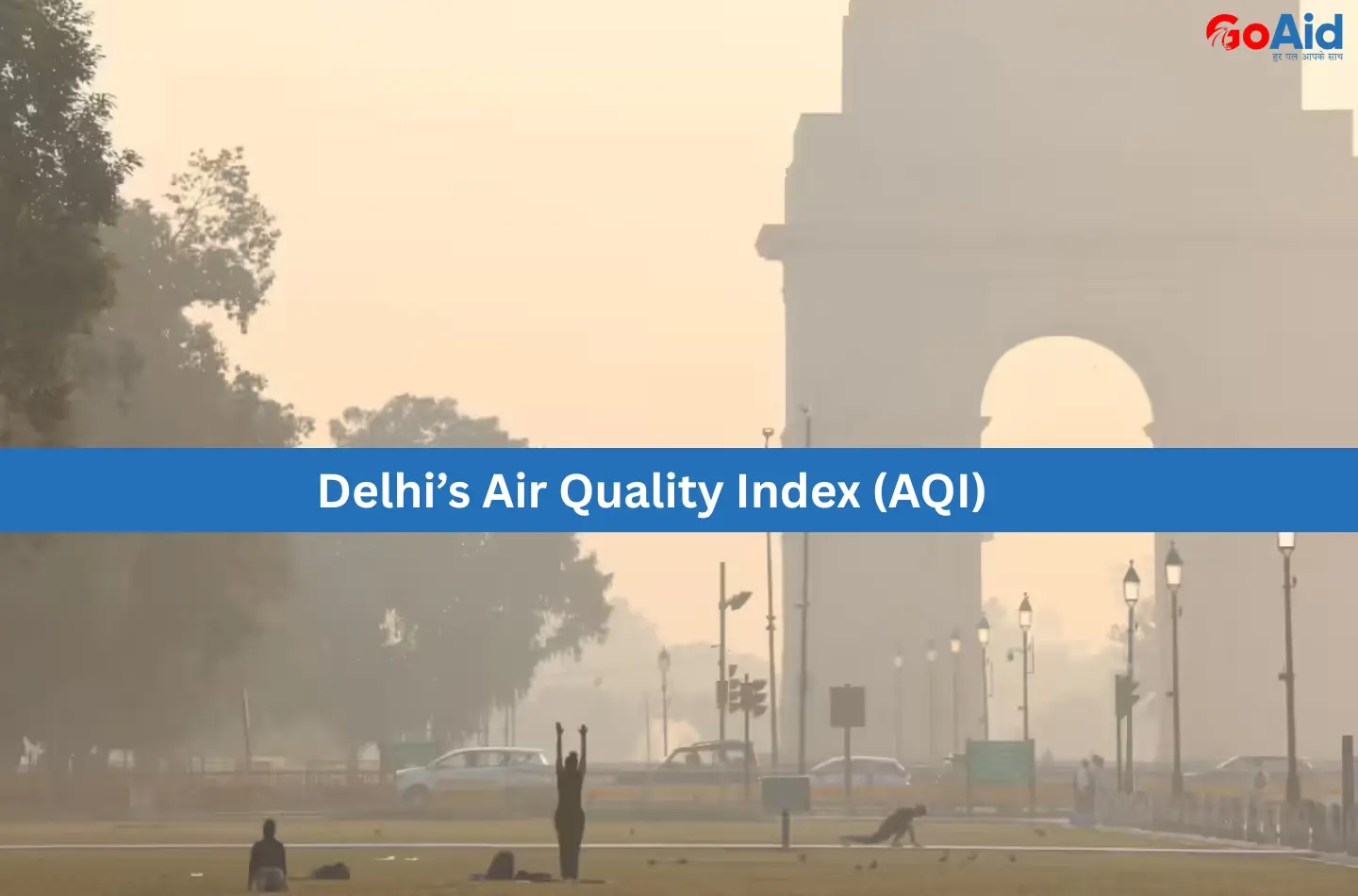

In recent times, we have witness the Air Quality Index (AQI) of Delhi getting touched to the hazardous point. And that is directly impacting the people in the city severely. Winter is here, and we are going to witness the pollution/smog/white smoke in many other parts of the north India. This is why, its important for us to know about how poor air quality can increase the emergency calls & when it does, whom to call.
This is why, in this blog, we have provided you all the information about the topic. We have explained about the recent data of air quality index in Delhi, how it affects different group of people, role of ambulance, which ambulance to choose in this scenario, and more. Are you willing to know all these information in detail? then read our blog to the end.
So, let’s start-
What is the recent Air Quality Index of Delhi?
The Air Quality Index (AQI) of Delhi has recently reached hazardous levels, crossing 400 in several areas. This is part of the ongoing Delhi AQI crisis, primarily caused by vehicle emissions, industrial pollution, construction dust, and seasonal crop burning in neighboring states.
High AQI levels indicate increased concentrations of pollutants like PM2.5, PM10, and nitrogen dioxide, which directly affect public health. Monitoring agencies across Delhi continuously track these pollutants and issue daily alerts.
Citizens are advised to check AQI reports regularly to practice air quality emergency preparedness and reduce outdoor exposure, especially during early mornings and evenings when pollution peaks.
How Does Poor AQI Trigger Health Emergencies?
Poor AQI levels in Delhi can quickly lead to serious health emergencies, affecting lungs, heart, and overall well-being.
1. Respiratory Distress
High concentrations of PM2.5 and PM10 irritate the airways. This causes coughing, wheezing, and shortness of breath. Many patients develop acute respiratory issues, requiring urgent medical attention and ambulance response for pollution-related emergencies.
2. Exacerbation of Chronic Conditions
People with asthma, COPD, or heart diseases experience worsened symptoms during high pollution. These flare-ups often lead to emergency hospital visits, increasing Delhi hospital emergency calls.
3. Increased Hospital Admissions
Severe smog days result in a spike in patient admissions for breathing difficulties, chest pain, and fatigue. Hospitals report more smog-related health emergencies, straining healthcare resources.
4. Eye and Skin Irritations
Airborne pollutants can cause redness, itching, infections, and skin inflammation. Some cases require immediate care to prevent further complications. This makes GoAid Ambulance Service crucial.
5. Acute Cardiac Events
Exposure to high AQI levels increases the risk of heart attacks and strokes, especially in vulnerable populations. Rapid response ambulances save lives during these sudden medical emergencies.
Who are the Most Affected Groups During High Pollution?
High pollution levels in Delhi impact everyone, but certain groups are far more vulnerable, facing increased risk of respiratory and cardiac emergencies.
1. Children
Developing lungs and higher outdoor activity make children highly susceptible to smog-related respiratory issues. Even mild exposure can trigger coughing, wheezing, and hospital visits.
2. Elderly Citizens
Aging respiratory and immune systems make seniors prone to breathing difficulties, heart strain, and other pollution-induced health emergencies, often requiring ambulance response for pollution.
3. People with Chronic Respiratory Diseases
Asthma, COPD, and bronchitis patients face severe flare-ups during high AQI days. This makes timely medical attention critical to prevent serious complications.
4. Pregnant Women
Exposure to hazardous air affects both mother and fetus, increasing risk of complications and emergency hospital visits during smog seasons.
5. Outdoor Workers
Traffic police, construction laborers, and delivery personnel face prolonged exposure, resulting in fatigue, breathing problems, and frequent need for rapid medical care.
What Are Common Respiratory Issues Caused by Smog?
Smog and poor AQI in Delhi trigger a variety of respiratory emergency cases, affecting lungs, airways, and overall breathing health.
1. Coughing
Persistent coughing is a common response to PM2.5 and PM10 particles, irritating the airways and often requiring ambulance response for pollution-related emergencies.
2. Wheezing
High pollution levels cause tightness in the chest and wheezing, especially in children and seniors, increasing Delhi hospital emergency calls.
3. Shortness of Breath
Smog reduces lung capacity. This makes breathing difficult for both healthy individuals and those with chronic conditions.
4. Asthma Attacks
Asthma patients experience flare-ups during high AQI days, necessitating rapid medical intervention from GoAid Ambulance Service.
5. Bronchitis
Exposure to pollutants inflames the bronchial tubes. This causes chronic cough, mucus buildup, and severe discomfort.
6. Chest Pain
Air pollution can trigger chest tightness, particularly in people with heart or lung conditions, requiring immediate medical attention.
7. Respiratory Infections
Smog weakens immunity in the lungs. This makes individuals more prone to infections such as pneumonia and bronchial infections.
8. Irritated Throat
Pollutants cause throat dryness and soreness, which can escalate to serious smog-related health emergencies.
9. Nosebleeds
Prolonged exposure to poor air quality can lead to frequent nosebleeds due to dryness and irritation in nasal passages.
10. Chronic Lung Disease Risk
Long-term exposure to high AQI increases the risk of developing chronic respiratory diseases, emphasizing the need for air quality emergency preparedness.
What is the Role of Ambulances in Pollution-Related Emergencies?
During high pollution days in Delhi, ambulances play a critical role in saving lives. Poor AQI triggers respiratory emergency cases, cardiac issues, and sudden health deterioration, requiring rapid medical intervention.
Ambulances provide immediate transportation to hospitals. This ensures timely treatment for children, elderly, and patients with chronic respiratory diseases. Equipped with oxygen support, ICU facilities, and trained paramedics, these vehicles reduce the risks of serious complications.
GoAid Ambulance Service and other emergency services help manage the surge in Delhi hospital emergency calls. This offers fast response times and professional care. This makes them essential during smog-related health crises.
Best Ambulance Service in Delhi for Pollution Related Emergencies
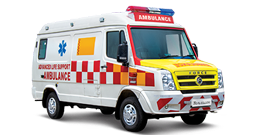
When pollution spikes in Delhi, having a reliable ambulance service is crucial. GoAid Ambulance Service is recognized as the best option for pollution-related emergencies. With a rapid 10-minute response feature, oxygen-equipped vehicles, ICU ambulances, and expert paramedics, GoAid ensures patients receive immediate and professional care.
They handle smog-related health emergencies, respiratory distress cases, and provide safe transport for vulnerable groups like children, elderly, and patients with chronic illnesses.
With nationwide coverage, government-approved charges, and multiple booking options via app or call, GoAid offers a dependable solution for all air quality emergency preparedness needs in Delhi.
Preventive Measures to Reduce Emergency Visits
Taking preventive steps can significantly reduce Delhi hospital emergency calls and protect vulnerable groups during high AQI days.
1. Limit Outdoor Activities
Avoid outdoor exposure, especially for children, elderly, and patients with chronic respiratory conditions. Reducing time outside helps prevent respiratory emergency cases.
2. Wear Protective Masks
Use N95 or similar masks to filter out harmful PM2.5 and PM10 particles, minimizing health risks during pollution peaks.
3. Monitor AQI Regularly
Keep track of the Delhi AQI crisis through apps and websites to plan daily activities safely and prepare for emergencies.
4. Use Air Purifiers Indoors
Air purifiers reduce indoor pollutant levels, improving breathing conditions and lowering the chances of pollution-related health issues.
5. Stay Hydrated
Drinking enough water helps flush toxins from the body, supports respiratory health, and reduces complications during high pollution days.
6. Avoid Smoking and Pollutants Indoors
Tobacco smoke and indoor pollution increase risks of smog-related health emergencies, especially in children and people with lung conditions.
7. Keep Emergency Contacts Ready
Have numbers for GoAid Ambulance Service and nearby hospitals handy to ensure rapid response if severe symptoms appear.
How Do Families Respond During High AQI Alerts?
Families must take proactive measures during high AQI alerts in Delhi to reduce health risks and avoid respiratory emergency cases.
1. Stay Indoors
During high pollution days, families should minimize outdoor exposure, especially for children, elderly, and patients with chronic conditions. Staying indoors reduces smog-related health emergencies and prevents unnecessary hospital visits.
2. Use Air Purifiers at Home
Air purifiers help remove PM2.5 and other harmful particles from indoor air. Maintaining clean air at home supports better breathing and overall respiratory health.
3. Follow AQI Updates
Monitoring real-time AQI alerts allows families to plan outdoor activities safely, avoid exposure during peak pollution hours, and practice air quality emergency preparedness.
4. Wear Masks if Venturing Out
Using N95 or similar masks protects against inhaling fine pollutants. It is crucial for sensitive family members during commutes or urgent outdoor tasks.
5. Keep Medical Support Ready
Families should have contacts for GoAid Ambulance Service and nearby hospitals. Quick access ensures timely intervention for pollution-triggered respiratory or cardiac emergencies.
Job/Role of Government & NGO Efforts in Pollution Health Management
The government and NGOs play a crucial role in managing Delhi’s air pollution and reducing respiratory emergency cases during high AQI days.
1. Monitoring Air Quality
Government agencies track Delhi AQI levels daily, issuing alerts and warnings to help citizens prepare for smog-related health emergencies and practice air quality emergency preparedness.
2. Public Awareness Campaigns
NGOs and government bodies educate citizens about the health impact of pollution, proper mask usage, and preventive measures to reduce hospital visits.
3. Regulating Industrial Emissions
Strict guidelines and penalties for industries help control pollution, lowering particulate matter levels and minimizing Delhi hospital emergency calls.
4. Controlling Vehicle Pollution
Policies promoting cleaner fuels, vehicle emission checks, and public transport usage reduce pollutants, preventing respiratory emergency cases in urban areas.
5. Promoting Green Spaces
Planting trees and maintaining parks improves air quality. This offers cleaner zones for children, the elderly, and outdoor workers.
6. Emergency Preparedness Programs
Training programs and collaborations with GoAid Ambulance Service ensure rapid response for smog-related health emergencies during critical AQI events.
7. Community Support Initiatives
NGOs provide masks, air purifiers, and awareness campaigns in schools and vulnerable areas to protect at-risk populations from pollution-related health risks.
Conclusion
In conclusion, we have provided you all the details about How Poor AQI in Delhi Increases Emergency Ambulance Calls. We discussed the recent AQI data, how poor air quality triggers respiratory emergency cases & the most affected groups, common respiratory issues.
We also mentioned the role of GoAid Ambulance Service, preventive measures, and the government and NGO efforts to manage pollution-related health risks. Following these guidelines ensures safety during high AQI days.
FAQs
Q1: What is considered a hazardous AQI level in Delhi?
A: AQI levels above 300 are considered hazardous in Delhi. Exposure can lead to severe respiratory emergency cases and other health complications, especially for children, elderly, and people with chronic illnesses.
Q2: How does poor AQI affect children and the elderly?
A: Children and elderly are highly vulnerable. Poor air quality can trigger coughing, wheezing, asthma attacks, and other serious smog-related health emergencies. This makes timely medical intervention essential.
Q3: When should I call an ambulance during high pollution?
A: If you or family members experience severe breathing difficulties, chest pain, or sudden worsening of chronic respiratory conditions, immediately contact GoAid Ambulance Service at 8008280020 for rapid emergency response.
Q4: How can families reduce emergency visits during smog?
A: Limit outdoor activities, use air purifiers, wear N95 masks, stay hydrated, and monitor AQI regularly. Keeping emergency contacts ready ensures timely ambulance response for pollution-related emergencies.
Q5: What role do government and NGOs play during high AQI days?
A: They monitor air quality, issue alerts, regulate emissions, run awareness campaigns, and collaborate with services like GoAid Ambulance Service to manage smog-related health emergencies effectively.