
In a medical emergency, knowing what to do before the ambulance arrives can save lives and provide critical support until professional help reaches. The essential first aid steps in an emergency ensure safety and confidence in handling crises while waiting for a reliable ambulance service such as GoAid. GoAid provides 10 minutes ambulance service during critical moments.
Why the First Few Minutes in a Medical Emergency Matter?
The initial minutes in a medical emergency can be life-saving. Immediate action like performing medical emergency first aid, keeping the patient calm, and checking vital
signs, can prevent conditions from worsening.
A rapid first response in a medical emergency improves survival chances, especially in cases of cardiac arrest, severe bleeding, or breathing difficulties. Waiting passively can lead to irreversible damage.
What Counts as a Medical Emergency?
A medical emergency requires immediate attention to prevent serious injury or death. Situations include heart attacks, strokes, severe trauma, unconsciousness, major burns, or respiratory distress. Quick recognition allows you to implement first aid steps in medical emergency while waiting for professional help. Even sudden severe pain, uncontrolled bleeding, or poisoning qualifies as a medical emergency first aid scenario.
Emergency medical response helps you determine what to do before ambulance arrives, ensuring timely interventions. It is important to use ambulance waiting time safety tips while coordinating with GoAid ambulance service. This ensures that the patient gets fast ambulance service and appropriate care.
Common Signs You Should Never Ignore
in medical emergency, recognising warning signs early allows you to provide emergency care before the ambulance arrives effectively. One should never ignore these symptoms because they can worsen outcomes.
- Severe Chest Pain: Intense or prolonged chest discomfort may indicate a heart attack requiring immediate medical emergency first aid.
- Difficulty Breathing: Shortness of breath or wheezing signals respiratory distress needing quick emergency medical response.
- Uncontrolled Bleeding: Profuse bleeding can be life-threatening; apply pressure immediately while waiting for a GoAid ambulance service.
- Sudden Weakness or Paralysis: Signs of stroke demand urgent attention and early first aid steps in medical emergency.
- Severe Head Injury: Loss of consciousness or confusion may indicate brain trauma requiring emergency care before ambulance.
- Severe Abdominal Pain: Could signal internal bleeding or organ issues; monitor vital signs carefully during ambulance waiting time safety tips.
- High Fever with Convulsions: Especially in children or elderly, this requires immediate first response in medical emergency and fast ambulance service.
Quick Action to Take in a Medical Emergency Before the Ambulance Arrives
In a medical emergency can save lives, taking immediate and correct action can saves lives. One should follow these steps to ensures emergency care before ambulance arrives
- Call Emergency Services Immediately: Dial your local number or the GoAid 24 hour ambulance service to request fast ambulance service.
- Stay Calm and Assess the Situation: Keep your composure to perform medical emergency first aid effectively and provide a safe environment.
- Ensure Scene Safety: Check for hazards like traffic, electricity, or fire before attending to the patient to prevent further injury.
- Check Responsiveness: Gently tap and speak to the patient to determine their level of consciousness as part of the first response in a medical emergency.
- Monitor Breathing and Pulse: Ensure the patient is breathing and has a pulse; start CPR if required for immediate emergency medical response.
- Position the Patient Properly: Keep the patient lying down or in a recovery position to prevent complications during ambulance waiting time safety tips.
- Gather Medical Information: Note any pre-existing conditions, medications, or allergies to provide accurate details to the paramedics for fast ambulance service.
First Aid Steps to Take Before the Ambulance Arrives
In a medical emergency, implementing first aid stepswhile waiting for an ambulance can stabilize the patient and improve outcomes. These actions complement professional care from a GoAid ambulance service or any 24 hour ambulance service.
- Stop Severe Bleeding: Apply direct pressure using a clean cloth or bandage to control bleeding before the ambulance arrives.
- Perform CPR if Needed: For patients without pulse or breathing, begin CPR immediately to maintain vital circulation until fast ambulance service arrives.
- Use an AED if Available: Automated external defibrillators help restore heart rhythm during cardiac arrest, a critical emergency medical response step.
- Treat Shock: Keep the patient warm and elevate their legs to prevent circulatory collapse while waiting for the GoAid ambulance service.
- Manage Fractures or Sprains: Immobilize broken bones using splints or padding to reduce pain and prevent further injury before professional help.
- Assist with Breathing Difficulties: Use inhalers or oxygen if prescribed and monitor respiration closely as part of medical emergency first aid.
- Keep the Patient Comfortable: Reassure, hydrate, and prevent panic to stabilize mental and physical health during the ambulance waiting time safety tips.
What to Do if the Patient Is Unconscious?
In critical moments, handling an unconscious patient correctly is vital for survival. Following these steps ensures safety and effective first response in medical emergency until the GoAid ambulance service arrives for fast ambulance service.
- Check Responsiveness: Gently shake and talk to the patient to assess consciousness as part of emergency care before ambulance.
- Call for Help Immediately: Contact a 24 hour ambulance service like GoAid to ensure fast ambulance service.
- Maintain Airway: Tilt the head back and lift the chin to keep the airway clear for emergency medical response.
- Monitor Breathing and Pulse: Continuous monitoring allows early intervention if breathing stops or becomes irregular as part of medical emergency first aid.
- Place in Recovery Position: Turn the patient onto their side to prevent choking if vomiting occurs before the ambulance arrives.
- Avoid Giving Food or Water: Unconscious patients risk choking; provide hydration only when fully awake and alert.
- Stay With the Patient: Remain calm, observe, and reassure to provide support until professional care from GoAid ambulance service reaches.
What You Should Not Do During a Medical Emergency?
It is important to avoid common mistakes during a medical emergency, because this can prevent worsening the patient’s condition. Follow these guidelines while waiting for GoAid ambulance service or any 24 hour ambulance service for fast ambulance service.
- Do Not Panic: Panic can worsen the situation and delay effective first response in medical emergency.
- Avoid Moving the Patient Unnecessarily: Untrained movement can cause injury, especially with fractures or spinal trauma during emergency care before ambulance.
- Do Not Give Food or Drink: Unconscious or severely ill patients may choke; avoid feeding until safe medical emergency first aid can be provided.
- Avoid Ignoring Warning Signs: Symptoms like chest pain, severe bleeding, or breathing issues require immediate attention and ambulance waiting time safety tips.
- Do Not Delay Calling Ambulance: Time is critical; always request fast ambulance service from GoAid ambulance service or local emergency services immediately.
- Do Not Use Unverified Home Remedies: Random treatments may worsen the condition and delay proper emergency medical response.
- Avoid Leaving the Patient Alone: Stay with the patient to monitor vital signs and provide reassurance until professional care arrives.
How GoAid Ensures Fast Emergency Response When Every Second Counts?
GoAid ambulance service is designed for rapid and reliable emergency care. From 24/7 availability to advanced medical support, GoAid ensures fast ambulance service when minutes matter most.
- 24/7 Availability: GoAid offers round-the-clock service for any emergency medical response in India.
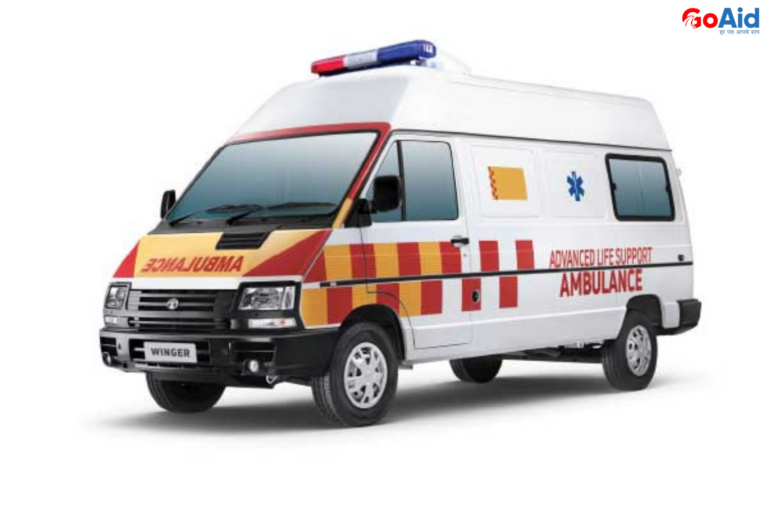
- Advanced Ambulance Fleet: BLS, ALS, ICU, and air ambulances are equipped for critical medical emergency first aid.
- Trained Paramedics Onboard: Professional staff provide immediate first aid steps in medical emergency during transit.
- Fast Dispatch System: Real-time tracking ensures the nearest ambulance reaches the patient quickly for emergency care before ambulance.
- Nationwide Coverage: GoAid operates across cities, guaranteeing ambulance waiting time safety tips are met efficiently.
- Transparent Communication: Patients receive clear instructions while waiting for the GoAid ambulance service.
- Integration with Technology: Mobile app and website booking ensures fast response and 24 hour ambulance service availability.
How to Book GoAid Ambulance Instantly in an Emergency?
The booking process of a GoAid ambulance service is quick and easy, ensuring fast ambulance service during emergencies with multiple convenient options for instant support.
Book GoAid Ambulance Through the Mobile App: Download the official GoAid app to request emergency assistance and track the ambulance in real time.
Book GoAid by Official Website: Visit GoAid to book a 24 hour ambulance service with transparent pricing and immediate dispatch.
GoAid 24/7 Helpline for Emergency Ambulance Booking: Call 8008280020 to connect instantly with trained operators for fast ambulance service and expert guidance.
Conclusion to What to Do in a Medical Emergency Before the Ambulance Arrives
In a medical emergency, knowing first aid steps in medical emergency and emergency care before ambulance arrives can save lives. Following ambulance waiting time safety tips and using GoAid ambulance service ensures fast, professional care. Proper preparation, quick action, and reliable support from a 24 hour ambulance service are key to handling crises safely and effectively.
Frequently Asked Questions About What to Do in a Medical Emergency Before the Ambulance Arrives
Question-1: What should I do first in a medical emergency before the ambulance arrives?
Answer: Assess the patient’s condition, ensure scene safety, call GoAid ambulance service, and perform basic first response in a medical emergency until professional help reaches.
Question 2: How can I provide first aid before the ambulance arrives?
Answer: Follow medical emergency first aid steps like stopping bleeding, performing CPR if needed, managing breathing, and keeping the patient comfortable.
Question-3: What are the common signs of a medical emergency I should not ignore?
Answer: Severe chest pain, uncontrolled bleeding, difficulty breathing, unconsciousness, high fever with convulsions, sudden weakness, or severe injury require immediate emergency medical response.
Question-4: Is it safe to move an unconscious patient before the ambulance arrives?
Answer: No. Only move the patient if there’s immediate danger; otherwise, keep them in a recovery position and follow ambulance waiting time safety tips.
Question-5: How does GoAid ensure fast ambulance response during emergencies?
Answer: GoAid ambulance service uses real-time tracking, trained paramedics, advanced BLS/ALS/ICU ambulances, and nationwide coverage for fast ambulance service in critical situations.
Question-6: How do I book a GoAid ambulance quickly in an emergency?
Answer: Book via the GoAid mobile app, official website, or call 8008280020 for instant access to a 24-hour ambulance service.