
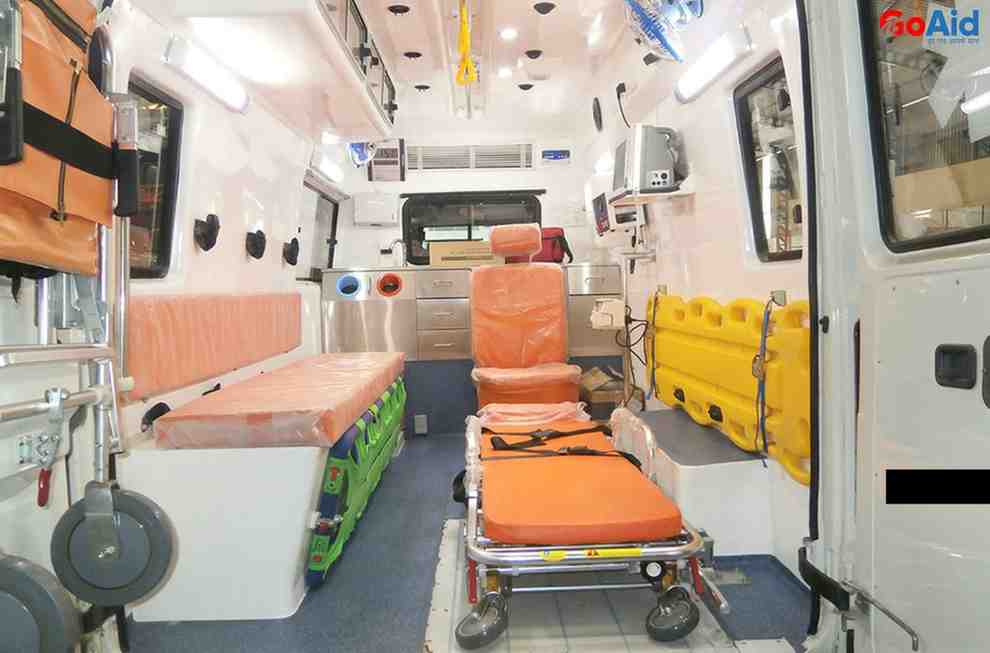

ICU Ambulance for Patient Transfer: When Is It Necessary?
According to the World Health Organization emergency care framework, timely advanced life support during transfer significantly reduces preventable mortality in trauma and cardiac cases. A wrong decision can delay treatment and increase medical risks.
In this blog, we will explain
- When an ICU ambulance is required
- Which medical conditions demand advanced life support
- What equipment is involved
- How professional transfer support ensures safe movement across hospitals in India.
What Is an ICU Ambulance?
An ICU ambulance for patient transfer is a fully equipped mobile intensive care unit designed to transport critically ill patients safely with continuous monitoring and advanced life-saving support.
Key Features:
- Equipped with ventilator support
- Advanced cardiac monitor and defibrillator
- Infusion pumps for controlled medication delivery
- Oxygen supply with backup cylinders
- Suction machine and airway management tools
- Trained paramedics and critical care staff
- Continuous vital signs monitoring system
An ICU ambulance service ensures that life-saving treatment continues during transit, reducing medical risks and providing stability until the patient reaches the receiving hospital. For non-critical cases, a standard ICU Ambulance Service may not be required
Medical Conditions That Require an ICU Ambulance
Certain medical emergencies require continuous life support and expert supervision during transport to prevent sudden deterioration.
- Heart Attack (Myocardial Infarction): Patients with severe chest pain, unstable blood pressure, or cardiac complications need cardiac monitoring, oxygen support, and defibrillation readiness during critical patient transfer.
- Stroke Patients: Stroke patients require constant neurological monitoring and oxygen management to prevent further brain damage during inter-hospital patient transfer.
- Severe Trauma or Accident Injuries: Major road accidents, internal bleeding, or head injuries demand an advanced life support ambulance to manage airway, circulation, and emergency medications en route.
- Patients on Ventilator Support: Patients already dependent on ventilators must be shifted through a ventilator ambulance to maintain uninterrupted respiratory assistance during transfer.
- Organ Failure Cases: Kidney, liver, or multi-organ failure patients often have unstable vitals and require ICU-level monitoring throughout transport.
- Post-Surgical Critical Patients: High-risk post-operative patients needing observation and emergency intervention support should always be moved via emergency ICU ambulance.
- Severe Respiratory Distress: Patients with acute asthma, pneumonia complications, or severe lung infections require oxygen therapy and respiratory monitoring during transit.
The right ICU ambulance for patient transfer ensures that critical patients receive uninterrupted advanced medical care, minimizing risks and improving survival chances during hospital transfers.
Equipment Available in an ICU Ambulance
An ICU ambulance for patient transfer carries advanced life-saving equipment to provide uninterrupted intensive care during critical transport.
- Ventilator support system
- Cardiac monitor with defibrillator
- Infusion pumps
- Advanced airway management kit
- Oxygen supply with backup cylinders
- Emergency medication kit
This equipment ensures continuous advanced life support ambulance care, making emergency ICU ambulance for patient transfer safe and medically stable.
Difference Between BLS and ICU Ambulance
The right understanding of the differences helps in choosing the correct ICU ambulance for patient transfer for a safe and timely transfer.
| Feature | BLS Ambulance | ICU Ambulance |
| Level of Care | Basic support | Advanced life support |
| Patient Type | Stable patients | Critical patients |
| Ventilator | Not available | Available |
| Cardiac Monitor | Basic | Advanced |
| Medical Staff | EMT | Critical care team |
| Medication Support | Limited | ICU-level |
| Use Case | Non-emergency transfer | Critical patient transfer |
Patients shifting across regions can also explore the Ambulance Service in Delhi for city-specific emergency coordination.
Risks of Choosing the Wrong Ambulance Type
The wrong ambulance for a critical patient transfer can increase medical risks and delay life-saving treatment.
- Delayed Emergency Intervention: Without advanced life support ambulance equipment, sudden complications like cardiac arrest or respiratory failure cannot be managed immediately during transit.
- Lack of Continuous Monitoring: Basic ambulances may not provide continuous ECG, oxygen saturation, or blood pressure monitoring, increasing risk during unstable patient movement.
- Inadequate Oxygen Support: Patients with breathing difficulty may deteriorate quickly if a ventilator ambulance or sufficient oxygen backup is unavailable.
- Medication Management Issues: Critical patients often require controlled drug infusion. Without infusion pumps, medication dosing may become unsafe or inconsistent.
- Untrained Medical Staff: Non-ICU ambulances may not have critical care paramedics trained to handle emergencies during inter-hospital patient transfer.
- Increased Complications During Transit: Improper equipment or support may worsen internal injuries, stroke symptoms, or cardiac instability during transport.
- Higher Mortality Risk: In severe emergencies, choosing a non-equipped vehicle instead of an emergency ICU ambulance can significantly reduce survival chances.
Choosing the correct ICU ambulance for patient transfer ensures advanced monitoring, rapid intervention capability, and safer outcomes for critically ill patients.
How GoAid Provides Reliable ICU Ambulance for Patient Transfer
GoAid ensures safe and timely ICU ambulance service with advanced medical support and professional care teams.
- 24/7 ICU ambulance availability
- Fully equipped ventilator ambulance units
- Trained critical care paramedics onboard
- GPS-enabled fast dispatch system
- Inter-hospital patient transfer coordination
- Transparent and government-approved pricing
- Coverage across major Indian cities
GoAid ICU ambulance service focuses on safety, speed, and advanced life support ambulance care, ensuring reliable critical patient transfer across India.
FAQs
Q1: When should I choose an ICU ambulance for patient transfer?
A: Choose an ICU ambulance when the patient is critical, unstable, ventilator-dependent, or requires continuous monitoring and advanced life support.
Q2: Is an ICU ambulance necessary for inter-hospital patient transfer?
A: It is necessary only if the patient’s condition is serious and requires medical supervision during transfer.
Q3: Are ICU ambulance charges higher than BLS ambulance charges?
A: Yes, ICU ambulance charges are higher due to advanced equipment, ventilator support, and trained critical care staff.
Conclusion
The right ICU ambulance for patient transfer can protect a critical patient’s life during transit. Always assess medical condition, required equipment, and monitoring needs before booking.
To book safely, visit Contact GoAid and speak with our emergency coordination team for an immediate ICU ambulance for patient transfer.