
In emergency situations, the time between the incident and reaching the hospital can be critical for a patient’s survival. Ambulance services play a crucial role during this phase by providing immediate medical assistance and acting as the first link between patients and hospitals. Understanding how ambulances function as part of the healthcare system helps people realize their importance beyond just transportation, especially in managing critical conditions before hospital admission.
This is why, in this blog, we have provided you all the information about how ambulance services bridge the gap between patients and hospitals. We have explained key aspects such as pre-hospital emergency care, patient stabilization and monitoring during transport, coordination between ambulance teams and hospitals, timely referrals, access to care in rural and remote areas, intercity transfers, and the impact of efficient ambulance services like GoAid on patient outcomes.
Do you want to know all these information in detail? Then read this blog to the end.
So, let’s start-
Role of Ambulances as the First Point of Medical Care
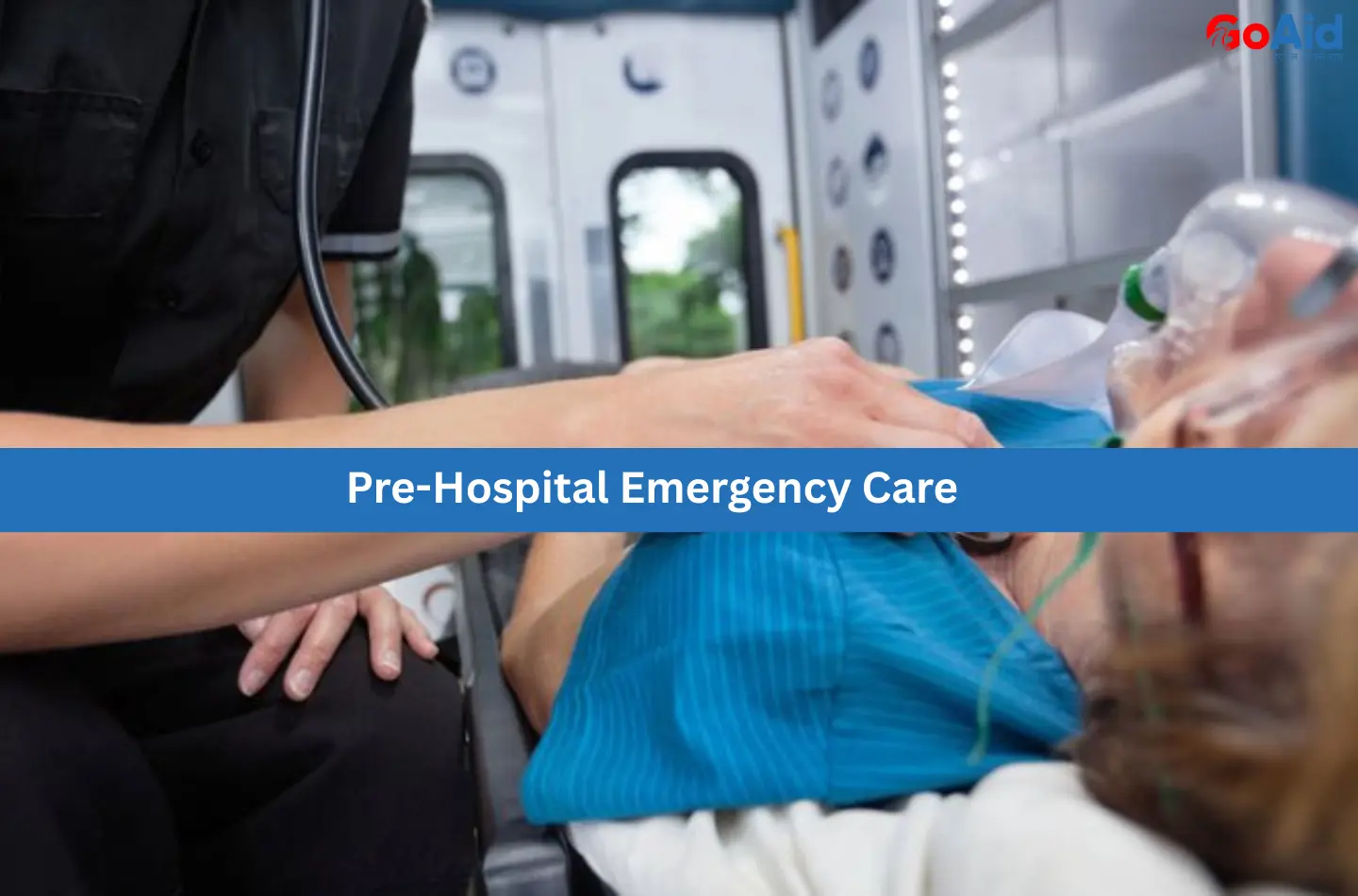
Ambulances act as the first point of medical care. This provides immediate pre-hospital care, stabilizing patients, and creating an essential ambulance healthcare link between patients and hospitals. GoAid Ambulance Service exemplifies this role through digital healthcare platforms and trained paramedics.
1. Immediate Pre-Hospital Care
GoAid Ambulance Service delivers critical pre-hospital care, stabilizing patients during transport. This emergency medical transport ensures timely intervention and improves patient hospital connectivity.
2. Advanced Life Support En Route
Equipped ambulances like ICU and ALS vehicles provide life-saving treatment before reaching the hospital. GoAid’s ambulance healthcare link ensures critical patient transfer with continuous monitoring.
3. Rapid Response to Emergencies
Fast deployment ensures patients receive care immediately after an accident or medical emergency. GoAid enhances emergency medical transport efficiency through mobile health apps and GPS-enabled dispatch.
4. Specialized Care for Vulnerable Patients
Neonatal, pediatric, and pregnant patients require specialized ambulance services. GoAid Ambulance Service provides targeted pre-hospital care, strengthening patient hospital connectivity.
5. Telemedicine Integration During Transit
Doctors can guide paramedics via telemedicine while patients are en route. GoAid leverages this technology to improve emergency medical transport and critical patient transfer.
6. Coordination with Hospital Staff
GoAid ambulances relay patient data to hospitals in real time. This hospital coordination ensures the receiving team is prepared. This reduces treatment delays and improving outcomes.
7. Continuous Monitoring and Documentation
Patient vitals and interventions are monitored and documented during transport. GoAid Ambulance Service maintains accurate records. This supports both pre-hospital care and hospital coordination.
8. Multi-Trauma Management
Ambulances handle multiple injuries from accidents or disasters. GoAid ensures emergency medical transport includes triage and stabilization. This improves patient hospital connectivity.
9. Ensuring Safe and Secure Transfers
Trained paramedics and advanced equipment guarantee safe critical patient transfer. GoAid Ambulance Service strengthens the ambulance healthcare link between patients and hospitals nationwide.
10. Enhancing Public Trust in Emergency Care
Prompt, professional ambulance services improve community confidence. GoAid’s emphasis on pre-hospital care and hospital coordination exemplifies the vital role of emergency medical transport in public healthcare.
Stabilization and Monitoring During Patient Transport
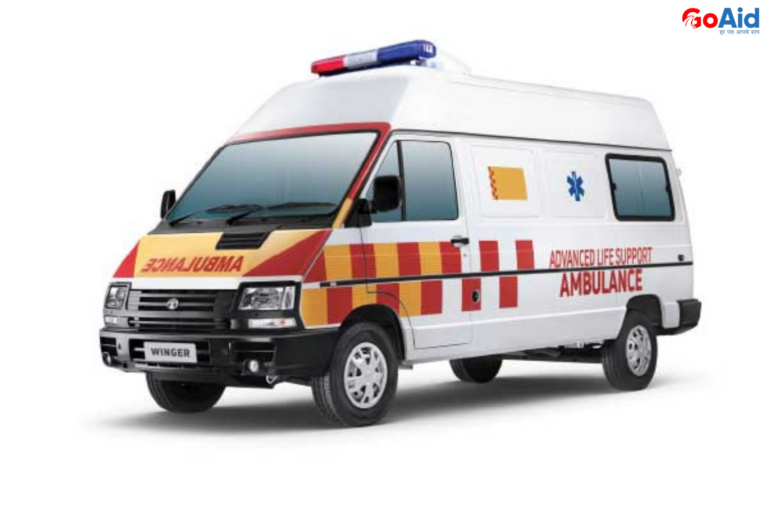
During patient transport, stabilization and continuous monitoring are essential for life-saving care. GoAid Ambulance Service provides well-equipped ambulances, including ICU, ventilator, BLS, and ALS vehicles. This ensures pre-hospital care is delivered effectively. Trained paramedics continuously monitor vital signs, administer medications, and provide oxygen therapy or advanced life support as needed.
Digital healthcare platforms and telemedicine integration allow real-time communication with hospital doctors. This enables paramedics to make informed decisions and perform critical interventions during transit. This approach minimizes the risk of complications and prepares the patient for immediate treatment upon arrival.
By combining advanced equipment, professional staff, and digital emergency medical transport, GoAid Ambulance Service ensures that critical patient transfer is safe, efficient, and reliable. Continuous monitoring and stabilization reinforce the ambulance healthcare link, bridging the gap between patients and hospitals while improving survival rates and overall pre-hospital care outcomes.
Coordination Between Ambulance Teams and Hospitals
Effective hospital coordination is a cornerstone of quality emergency medical transport. GoAid Ambulance Service ensures uninterrupted patient hospital connectivity by leveraging mobile health apps, GPS tracking, and telemedicine systems.
Ambulance teams transmit patient information—such as vital signs, injury severity, and interventions performed—directly to hospital staff before arrival. This enables hospitals to prepare treatment areas, arrange ICU beds, or mobilize specialist teams.
Digital platforms allow hospitals to monitor ambulance routes and arrival times in real time. This ensures prompt readiness for critical patient transfer. GoAid’s ambulance healthcare link strengthens operational efficiency.
This reduces delays during emergencies and improving overall patient outcomes. Additionally, telemedicine integration allows paramedics to consult doctors en route, receiving guidance for pre-hospital care interventions, optimizing stabilization, and ensuring continuous monitoring.
During multi-trauma or high-demand scenarios, GoAid coordinates multiple ambulances simultaneously, prioritizing cases based on severity and hospital capacity. This integrated approach demonstrates how emergency medical transport, pre-hospital care, and hospital coordination work together to save lives.
GoAid Ambulance Service exemplifies the importance of this coordination. This provides reliable, round-the-clock services across urban and rural areas, bridging critical gaps in public healthcare systems.
Importance of Timely Referrals and Transfers
Timely referrals and transfers ensure patients receive appropriate specialized care quickly. GoAid Ambulance Service emphasizes rapid critical patient transfer and hospital coordination for improved outcomes.
1. Early Specialist Intervention
Prompt referrals allow patients to reach specialists quickly. GoAid Ambulance Service ensures emergency medical transport is coordinated for immediate pre-hospital care and hospital connectivity.
2. Improved Survival Rates
Timely transfers during cardiac, stroke, or trauma emergencies significantly enhance survival. GoAid’s ambulance healthcare link ensures rapid critical patient transport and emergency medical response.
3. Efficient Resource Utilization
Hospitals can allocate ICU beds and staff efficiently. GoAid Ambulance Service coordinates in advance, optimizing patient hospital connectivity and emergency preparedness.
4. Reduced Complications
Delays in referrals can worsen patient conditions. GoAid provides continuous monitoring and rapid transport to minimize risks and support pre-hospital care.
5. Seamless Multi-Hospital Transfers
Patients requiring specialized facilities benefit from coordinated transfers. GoAid Ambulance Service ensures smooth emergency medical transport across hospitals.
6. Digital Communication Support
Mobile health apps and telemedicine integration enable real-time updates during transfers. GoAid strengthens hospital coordination and the ambulance healthcare link.
7. Public Confidence in Emergency Care
Reliable, timely transfers build trust in emergency medical services. GoAid Ambulance Service demonstrates how pre-hospital care and hospital coordination enhance patient outcomes and public healthcare reliability.
Role in Rural and Remote Healthcare Access
Ambulance services play a critical role in bridging healthcare gaps in rural and remote areas. GoAid Ambulance Service ensures patient hospital connectivity, timely emergency medical transport, and pre-hospital care for communities with limited healthcare access.
1. Fast Emergency Response in Remote Areas
GoAid Ambulance Service provides rapid emergency medical transport even in hard-to-reach locations. Mobile health apps and GPS-enabled ambulances strengthen the ambulance healthcare link and improve patient hospital connectivity.
2. Specialized Ambulances for Rural Needs
ICU, ventilator, and BLS ambulances are deployed in rural regions. GoAid ensures critical patient transfer and pre-hospital care are accessible. This enhances emergency preparedness in underserved areas.
3. Telemedicine Support During Transit
Remote patient care is enhanced through telemedicine. GoAid Ambulance Service enables paramedics to consult doctors while transporting patients. This ensures continuous monitoring and safe hospital coordination.
4. Bridging Distance Between Patients and Hospitals
Rural communities often face long travel times to hospitals. GoAid’s emergency medical transport ensures timely critical patient transfer, maintaining strong patient hospital connectivity.
5. Free or Affordable Ambulance Services
GoAid offers cost-effective solutions, including free ambulance services for pregnant women. This ensures equitable access to emergency care and pre-hospital treatment.
6. Training Local Staff for Support
GoAid equips local paramedics and helpers with emergency protocols. This enables efficient ambulance healthcare links and rapid critical patient transport in rural areas.
7. Disaster and Emergency Preparedness
During floods, accidents, or natural disasters, GoAid provides round-the-clock emergency medical response and pre-hospital care. This ensures patients in remote areas reach hospitals safely.
Support During Intercity and Interstate Transfers
Intercity and interstate patient transfers are crucial for accessing specialized care. GoAid Ambulance Service provides uninterrupted emergency medical transport across cities and states. This ensures patient hospital connectivity during critical transfers. Equipped ICU, ALS, and ventilator ambulances allow continuous monitoring and life-saving interventions en route.
Digital healthcare platforms and mobile health apps facilitate real-time tracking, telemedicine support, and hospital coordination. This enables hospitals to prepare for immediate patient admission. GoAid’s trained paramedics manage pre-hospital care efficiently. This ensures patients remain stable throughout long-distance transfers.
Round-the-clock ambulance availability ensures that even during off-hours, emergencies requiring specialized hospitals in other cities or states receive timely critical patient transport. By bridging distances and maintaining consistent emergency medical response India-wide, GoAid Ambulance Service strengthens the ambulance healthcare link, reduces mortality risks, and ensures smooth pre-hospital care and hospital coordination for intercity and interstate transfers.
Impact on Patient Outcomes and Survival
Efficient ambulance services significantly improve patient outcomes and survival by providing pre-hospital care, rapid critical patient transfer, and uninterrupted hospital coordination. GoAid Ambulance Service strengthens patient hospital connectivity and emergency medical transport across India.
1. Faster Emergency Medical Response
Rapid ambulance dispatch reduces time to care. GoAid’s mobile health apps and GPS-enabled fleet ensure quick emergency medical transport. This improves patient outcomes and survival rates.
2. Pre-Hospital Stabilization
ICU, ALS, and BLS ambulances provide on-site stabilization. GoAid Ambulance Service ensures patients receive life-saving interventions before reaching hospitals. This enhances critical patient transfer outcomes.
3. Continuous Monitoring During Transit
Vital signs and interventions are monitored en route. Telemedicine integration with GoAid strengthens hospital coordination and reduces complications during patient transport.
4. Access to Specialized Care
Round-the-clock ambulance services enable patients to reach specialized hospitals promptly. GoAid ensures patient hospital connectivity for advanced treatment. This improves survival chances.
5. Effective Management of Trauma Cases
Accident and injury patients benefit from immediate pre-hospital care. GoAid’s ambulance healthcare link ensures proper triage, stabilization, and rapid critical patient transfer.
6. Pediatric and Obstetric Emergency Support
Children and pregnant women receive specialized pre-hospital care. GoAid Ambulance Service enhances patient hospital connectivity and emergency medical transport for vulnerable populations.
7. Public Confidence in Healthcare Services
Reliable ambulance services build trust. GoAid ensures emergency preparedness, uninterrupted hospital coordination, and rapid critical patient transfer, contributing to better patient outcomes and survival.
Challenges in Patient-Hospital Coordination
Coordinating patients between ambulances and hospitals can face multiple challenges. GoAid Ambulance Service addresses these issues using digital healthcare platforms, mobile health apps, and telemedicine for uninterrupted patient hospital connectivity and emergency medical transport.
1. Hospital Capacity Limitations
High patient volumes may limit bed availability. GoAid Ambulance Service coordinates in advance to optimize critical patient transfer and maintain emergency preparedness.
2. Remote Area Communication Gaps
Rural or distant locations may have poor network coverage. GoAid uses GPS-enabled mobile apps to ensure patient hospital connectivity despite connectivity challenges.
3. Delays in Data Transmission
Real-time updates are essential for hospital readiness. GoAid Ambulance Service integrates telemedicine and digital platforms for fast, accurate sharing of patient information.
4. Coordination During Multiple Emergencies
Simultaneous emergencies require resource prioritization. GoAid manages multiple ambulances and hospital coordination efficiently for effective emergency medical transport.
5. Specialized Care Requirements
Patients needing ICU or ventilator care require hospital preparation. GoAid Ambulance Service ensures hospitals receive early alerts for proper critical patient transfer.
6. Human Error in Handoffs
Miscommunication between paramedics and hospital staff can occur. GoAid minimizes errors through digital patient records and standardized pre-hospital care protocols.
7. Traffic and Transit Challenges
Urban congestion or long interstate travel can delay transfers. GoAid leverages GPS tracking, route optimization, and round-the-clock ambulance availability to maintain uninterrupted patient hospital connectivity.
How GoAid Bridges Healthcare Gaps Efficiently?
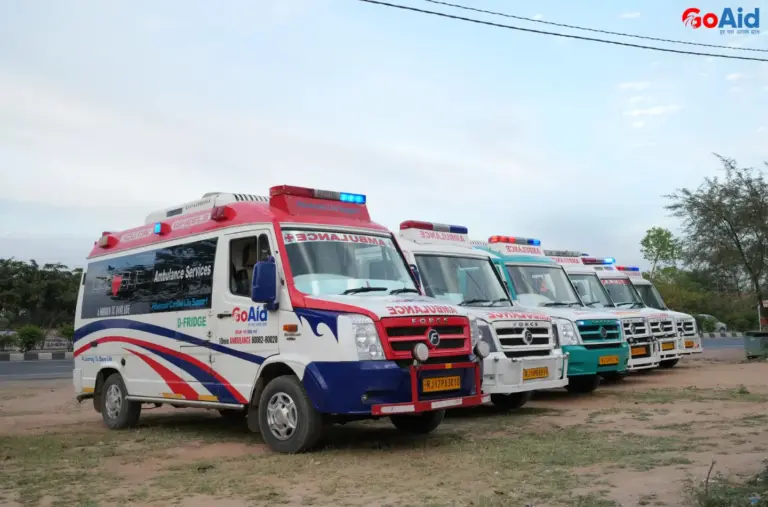
GoAid Ambulance Service bridges healthcare gaps across India by combining advanced digital healthcare platforms, mobile health apps, and a well-equipped, diverse fleet. From urban centers to rural and remote areas, GoAid ensures timely emergency medical transport and pre-hospital care, strengthening patient hospital connectivity and enhancing public safety healthcare.
Round-the-clock ambulance availability allows critical patient transfer at any hour. This ensures emergencies such as cardiac arrests, strokes, trauma, and obstetric complications are addressed promptly. ICU, ventilator, BLS, and ALS-equipped ambulances provide stabilization and continuous monitoring during transit, while telemedicine integration enables paramedics to consult doctors in real time.
GoAid’s GPS-enabled dispatch system optimizes ambulance routes. This reduces response times and ensuring rapid access to specialized hospitals. Hospitals receive advance alerts with patient data. This enables efficient hospital coordination and uninterrupted admissions. Intercity and interstate transfers are managed carefully to maintain critical patient care even across long distances.
Additionally, GoAid emphasizes affordability, transparency, and government-approved rates. This makes high-quality ambulance healthcare accessible to all communities. By integrating technology, trained staff, and emergency preparedness, GoAid Ambulance Service effectively bridges gaps between patients and hospitals. This ensures safe, efficient, and reliable emergency healthcare nationwide.
Conclusion
In conclusion, we have provided you all the details about how ambulance services like GoAid bridge the gap between patients and hospitals. By offering pre-hospital care, rapid critical patient transfer, uninterrupted hospital coordination, and telemedicine integration, GoAid ensures timely, safe, and effective emergency medical transport.
Its 24×7 ambulance service, equipped with ICU, ventilator, BLS, and ALS ambulances, strengthens patient hospital connectivity across urban, rural, and remote areas. GoAid’s commitment to digital healthcare platforms, trained paramedics, and nationwide coverage makes it a trusted service. This enhances public safety healthcare and improving patient outcomes across India.
FAQs
Q1: How does GoAid ensure pre-hospital care during transport?
Answer: GoAid Ambulance Service provides ICU, BLS, and ALS ambulances with trained paramedics. Telemedicine integration allows real-time doctor consultation. This ensures safe pre-hospital care and critical patient transfer.
Q2: Can GoAid handle intercity and interstate patient transfers?
Answer: Yes. GoAid offers 24×7 ambulance service for long-distance transfers. GPS-enabled dispatch, digital platforms, and hospital coordination ensure timely emergency medical transport nationwide.
Q3: How does GoAid maintain patient hospital connectivity?
Answer: GoAid Ambulance Service shares real-time patient data with hospitals. This enables preparation for admission. This enhances emergency preparedness, and strengthening the ambulance healthcare link.
Q4: Are GoAid ambulance services available in rural and remote areas?
Answer: Yes. GoAid leverages mobile health apps, GPS tracking, and trained staff to provide round-the-clock emergency medical transport, bridging healthcare gaps in underserved areas.
Q5: Is GoAid Ambulance Service affordable and transparent?
Answer: GoAid follows government-approved rates and digital payment options. This ensures accessible and transparent pricing while providing reliable 24×7 emergency medical transport and patient hospital connectivity.