
Emergency ambulance services powered by technology are transforming how patients receive fast, reliable, and life-saving medical care across India. Knowing how technology-driven ambulance systems work helps people respond faster during emergencies, understand modern dispatch methods, trust real-time tracking, and choose efficient 24/7 ambulance services when every second truly matters.
This is why, we have provided you all the details about the evolution of ambulance services in India, the role of technology in faster response, the importance of 24/7 availability, real-time tracking systems, smart dispatch, and the impact of tech-enabled ambulances on patient survival.
Do you want to know all these details? Then read this blog to the end!
So, let’s start-
Evolution of Emergency Ambulance Services in India
Emergency ambulance services in India have undergone a significant transformation over the years. In the early stages, ambulance services were limited, unorganized, and primarily operated by hospitals, charitable trusts, or local bodies. Most ambulances functioned only as transport vehicles, lacking medical equipment and trained staff. Response times were slow, and access to emergency ambulance services was largely restricted to urban areas.
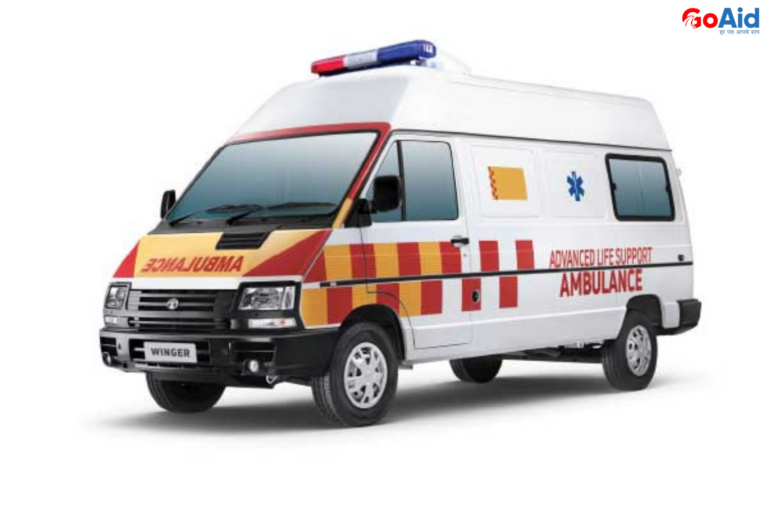
As healthcare awareness grew, the need for faster and more reliable emergency ambulance India services became evident. Government initiatives, public–private partnerships, and the entry of private ambulance service providers improved availability and standards. Basic Life Support (BLS) and Advanced Life Support (ALS) ambulances were introduced. This offers oxygen support, monitoring systems, and trained paramedics.
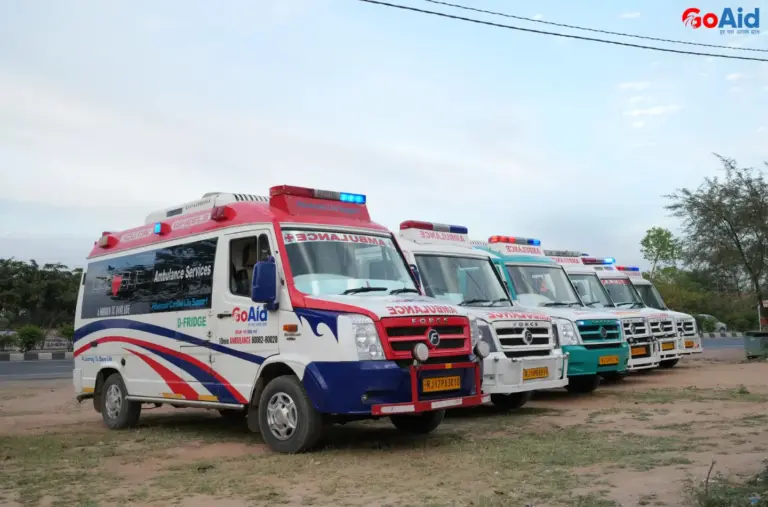
The real transformation began with the integration of technology. GPS ambulance tracking, centralized call centers, and mobile applications changed how ambulances were dispatched. Today, tech-enabled ambulance platforms such as GoAid Ambulance Service provide 24/7 ambulance India coverage, real-time tracking, transparent pricing, and multiple ambulance options. Modern emergency ambulance services now focus on speed, coordination, and patient outcomes. This makes technology a life-saving force in India’s evolving emergency healthcare system.
Role of Technology in Faster Emergency Response
Technology has revolutionized emergency ambulance services by enabling faster dispatch, real-time coordination, and efficient patient care. This ensures timely medical support during critical situations across India.
1. GPS Ambulance Tracking for Nearest Dispatch
GPS ambulance tracking helps identify the closest available ambulance instantly. This reduces travel distance and response time. This ensures the fastest ambulance India reach patients quickly during emergency ambulance situations.
2. Smart Dispatch and Automated Allocation
Tech-enabled ambulance platforms use smart dispatch systems to assign ambulances automatically. This removes manual delays and ensures efficient allocation of emergency ambulance service resources through platforms like GoAid Ambulance Service.
3. Real-Time Traffic and Route Optimization
Technology analyzes traffic conditions and suggests optimal routes. Emergency ambulance India services benefit by avoiding congestion. This reduces delays, and improving patient survival during critical emergencies.
4. Mobile App-Based Ambulance Booking
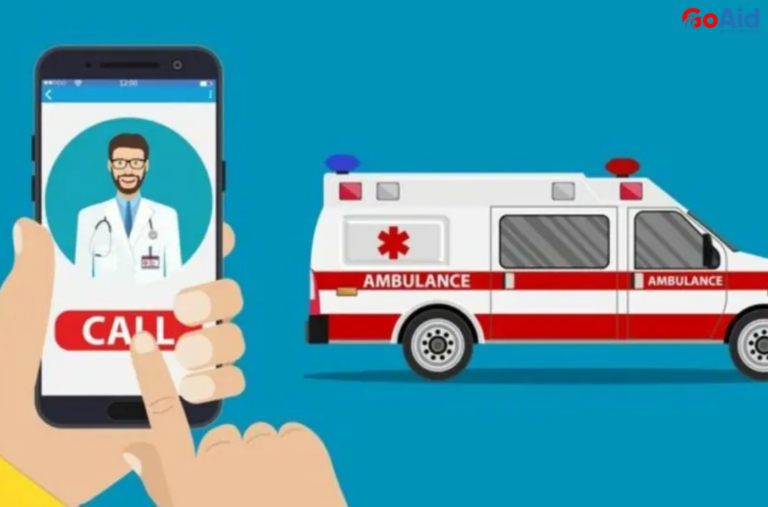
Ambulance booking apps allow users to request emergency services instantly. A 24/7 ambulance India app ensures faster response compared to traditional calls, improving accessibility to private ambulance service providers.
5. Live Tracking and ETA Transparency
Live tracking shows ambulance location and estimated arrival time. This transparency builds trust and helps families prepare. This makes tech-enabled ambulance services more reliable during emergencies.
6. Digital Communication with Hospitals
Technology enables ambulances to share patient data with hospitals in advance. This allows emergency departments to prepare early. This reduces treatment delays after arrival.
7. Centralized Control Centers
Centralized systems monitor ambulance fleets in real time. This improves coordination, reduces idle time, and ensures emergency ambulance services operate efficiently across multiple locations.
8. Data-Driven Emergency Response Planning
Technology analyzes emergency patterns and response times. Private ambulance service providers use this data to improve coverage, placement, and readiness for faster emergency ambulance India response.
9. Integrated Payment and Pricing Transparency
Digital platforms provide upfront pricing and online payment options. This eliminates confusion and speeds up booking. This enhances trust in tech-enabled ambulance services.
10. 24/7 Availability Through Digital Platforms
Technology ensures continuous service availability. A 24/7 ambulance India platform like GoAid Ambulance Service guarantees uninterrupted access to emergency medical transportation anytime, anywhere.
Importance of 24/7 Ambulance Availability
Medical emergencies can occur at any hour. This makes 24/7 ambulance availability essential for ensuring immediate medical response. This reduces delays, and saving lives across urban and rural regions of India.
1. Emergencies Do Not Follow Time Schedules
Heart attacks, accidents, and medical complications can happen anytime. A 24/7 ambulance India service ensures uninterrupted access to emergency ambulance support, especially during nights, weekends, and holidays when hospital-based services may be limited.
2. Faster Response During Night-Time Emergencies
Night-time emergencies often face delays due to limited resources. Tech-enabled ambulance platforms like GoAid Ambulance Service ensure the fastest ambulance India response even during late hours through continuous monitoring and dispatch.
3. Critical for Life-Threatening Conditions
Conditions such as strokes, cardiac arrests, and trauma require immediate care. A 24/7 emergency ambulance service ensures timely medical intervention, which significantly improves survival rates in critical situations.
4. Reliable Support in Remote and Urban Areas
Continuous ambulance availability ensures coverage across metro, tier-2, and remote locations. Private ambulance service providers use digital systems to maintain readiness and deliver emergency ambulance India support anytime.
5. Reduces Dependence on Hospital Ambulances
Hospital ambulances are often unavailable after hours. A 24/7 ambulance India platform provides an alternative. This ensures uninterrupted access to emergency medical transportation without relying solely on hospital infrastructure.
6. Better Coordination with Emergency Departments
Round-the-clock ambulance services allow constant communication with hospitals. This ensures emergency departments are prepared in advance. This reduces treatment delays once the patient arrives.
7. Essential During Disasters and Mass Emergencies
Natural disasters and accidents can occur unexpectedly. 24/7 emergency ambulance services ensure rapid mobilization and effective coordination during large-scale emergencies.
8. Support for Intercity and Long-Distance Transfers
Medical emergencies may require transfer to specialized hospitals. A 24/7 ambulance India service enables safe intercity and interstate patient transportation without time restrictions.
9. Peace of Mind for Patients and Families
Knowing that ambulance services are available 24/7 reduces anxiety. Platforms like GoAid Ambulance Service offer reliable emergency ambulance support. This provides confidence during critical moments.
10. Strengthens Overall Emergency Healthcare System
Continuous ambulance availability improves response efficiency and patient outcomes. Tech-enabled ambulance services play a key role in strengthening India’s emergency healthcare infrastructure.
Real-Time Tracking and Smart Dispatch Systems
Real-time tracking and smart dispatch systems have revolutionized emergency ambulance services in India. Modern tech-enabled ambulances, like those provided by GoAid Ambulance Service, are equipped with GPS tracking, advanced communication tools, and centralized control systems to ensure rapid, efficient, and coordinated emergency response.
With real-time tracking, ambulance locations are continuously monitored, allowing dispatchers to allocate the nearest available vehicle. This minimizes travel time and ensures the fastest ambulance India service reaches patients during critical emergencies. Families can also track ambulance movement through mobile apps. This provides transparency and peace of mind while the patient is en route.
Smart dispatch systems automate ambulance allocation by analyzing factors like ambulance type, distance, traffic conditions, and patient priority. This eliminates human delays, ensures optimal resource utilization, and coordinates multiple ambulances efficiently during high-demand situations or mass emergencies.
Integration with hospital communication systems further enhances response efficiency. Paramedics can share patient vitals and medical history with the receiving hospital in real-time. This ensures the medical team is ready upon arrival. Tech-enabled ambulances also log trip data for performance tracking, route optimization, and improved future response.
Overall, real-time tracking and smart dispatch systems reduce response times, enhance coordination, and save lives. With 24/7 availability, GPS ambulance tracking, and multiple ambulance types accessible via apps like GoAid Ambulance Service, India’s emergency healthcare system is now faster, safer, and more reliable than ever.
Impact of Tech-Enabled Ambulances on Patient Survival
Tech-enabled ambulances significantly improve patient survival by ensuring faster response, continuous monitoring, and advanced care during emergency transport.
1. Faster Response Times with GPS Tracking
GPS ambulance tracking identifies the nearest available vehicle. This ensures the fastest ambulance India service reaches patients promptly. This reduces delays that could be critical in life-threatening emergencies.
2. Advanced Life Support Equipment Onboard
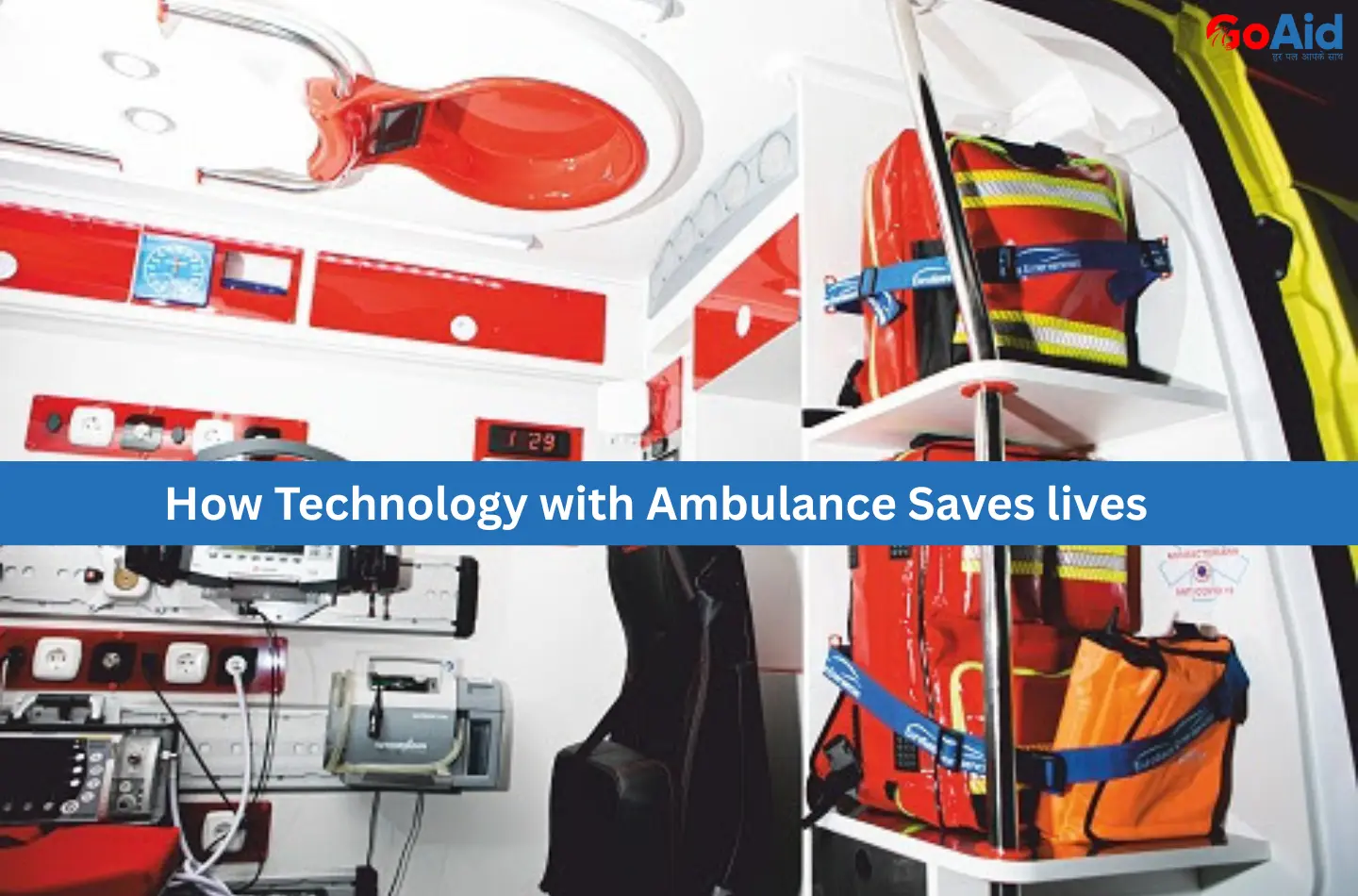
Tech-enabled ambulances are equipped with ICU ventilators, monitors, and resuscitation tools. Private ambulance service providers like GoAid Ambulance Service offer specialized equipment for emergencies, increasing survival chances.
3. Continuous Monitoring During Transit
Vital signs are tracked in real-time by paramedics using advanced monitors. This ensures immediate intervention if a patient’s condition deteriorates. This enhances outcomes in emergency ambulance India services.
4. Efficient Dispatch via Smart Systems
Smart dispatch ensures the right ambulance type is allocated quickly. This technology reduces wait times, optimizes resources, and ensures critical care is available instantly.
5. Improved Communication with Hospitals
Patient data, vitals, and updates are shared en route with hospitals. This allows medical teams to prepare in advance, improving the speed and quality of treatment upon arrival.
6. Reduced Human Error in Emergencies
Automated tracking, monitoring, and dispatch minimize mistakes caused by manual processes. This enhances reliability and efficiency in private ambulance service operations.
7. 24/7 Availability Enhances Survival Odds
Tech-enabled platforms provide round-the-clock ambulance services. Immediate access during nights or holidays ensures patients receive timely care, critical for survival.
8. Optimized Route Selection
Navigation technology suggests traffic-free, fastest routes. Avoiding delays ensures emergency ambulance India services reach patients faster, improving response efficiency.
9. Specialized Ambulance Options for Different Needs
Availability of BLS, ALS, ICU ventilator, and pediatric ambulances ensures patients receive the exact level of care required, improving treatment outcomes during emergencies.
10. Real-Time Family Updates Reduce Stress
Live tracking and updates keep families informed. Reduced anxiety allows better support for patients, indirectly aiding in recovery and ensuring smoother emergency response with GoAid Ambulance Service.
Conclusion
In conclusion, we have provided you all the details about how 24/7 emergency ambulance services in India are saving lives through technology. We explained the evolution of ambulance services, the role of GPS tracking, and smart dispatch systems in ensuring faster emergency response.
We highlighted the importance of 24/7 availability across major cities, real-time tracking, and tech-enabled ambulances in improving patient survival. By integrating advanced life-support equipment, continuous monitoring, and effective hospital communication, private ambulance service providers like GoAid Ambulance Service have transformed emergency healthcare. Together, these advancements ensure reliable, safe, and rapid medical transportation whenever and wherever it is needed.
FAQs
Q1: How does technology improve emergency ambulance response in India?
A: Technology like GPS ambulance tracking, smart dispatch, and mobile app-based booking ensures the fastest ambulance India service reaches patients quickly. Platforms like GoAid Ambulance Service optimize routes, reduce delays, and improve overall emergency response efficiency.
Q2: Are 24/7 ambulance services really available across India?
A: Yes, providers such as GoAid Ambulance Service operate round-the-clock. This offers 24/7 ambulance India coverage in metro, tier-2, and even remote areas. This ensures immediate medical support during emergencies at any time.
Q3: What types of ambulances are available through tech-enabled services?
A: Tech-enabled ambulance services provide multiple options, including BLS, ALS, ICU ventilator, neonatal, and pediatric ambulances. This ensures the right emergency ambulance service is available for different patient needs.
Q4: Can real-time tracking help families during emergencies?
A: Yes, live GPS tracking allows families to monitor ambulance location and estimated arrival time. This transparency reduces anxiety and builds trust in private ambulance service providers like GoAid Ambulance Service.
Q5: How does smart dispatch improve patient survival?
A: Smart dispatch systems automatically allocate the nearest and most suitable ambulance. This reduces response times. Combined with trained paramedics and advanced equipment, this ensures faster emergency ambulance India services and better patient outcomes.