
Modern ambulance services follow a highly organised ambulance service process designed to deliver fast and life-saving care. Today’s emergency ambulance service ensures timely support during critical moments with advanced systems and a reliable ambulance response system.
Ambulance Services such as GoAid ambulance service use real-time tracking and smooth coordination to offer 24/7 emergency medical transport during medical emergencies.
Why Understanding the Ambulance Process Matters?
It is very important to understand the ambulance service process, because it helps people to respond correctly during emergencies and reduces panic. If you know how an emergency ambulance service works, then this allows families to make faster decisions, which improves survival chances.
The structured ambulance emergency procedure includes call verification, dispatch, on-spot treatment, and safe patient transfer. With rising medical cases, recognising how the ambulance response system functions empowers communities. Platforms like GoAid ambulance service follow strict protocols to ensure dependable and fast ambulance service when every second counts.
Types of Ambulances Used in India and Their Purpose
India’s modern ambulance service process includes multiple ambulance types designed for specific medical needs. These vehicles support smooth ambulance emergency procedures and ensure effective patient transfer through reliable emergency ambulance service providers.
- Normal Ambulance: Used for non-critical transport, follow-ups, or routine checkups. It supports the basic ambulance patient care process and is commonly requested through 24/7 ambulance service providers.
- BLS (Basic Life Support) Ambulance: Equipped with oxygen, first-aid tools, and monitoring devices. It assists patients with moderate issues and supports a structured ambulance response system.
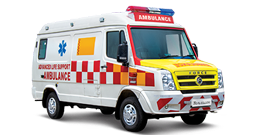
- ALS (Advanced Life Support) Ambulance: Equipped with ventilators, cardiac monitors, and emergency medicines. It is ideal for critical patients and strengthens the emergency ambulance service during life-threatening situations.
- ICU Ventilator Ambulance: Functions as a mobile ICU with ventilators, infusion pumps, and advanced monitoring. It supports the ambulance emergency procedure for severely critical patients.
- Neonatal Ambulance: Designed for newborn and premature baby transport. It includes incubators and warmers to ensure safe care within the ambulance patient care process.
- Dead Body Freezer Box Ambulance: Used for long-distance dead body transport with body-preservation facilities. It remains an essential part of the ambulance service process for sensitive cases.
- Mortuary Van: Provides dignified transport of deceased individuals without freezing requirements. It supports families during emergencies as part of a reliable 24/7 ambulance service.
- Event & Standby Ambulance: Deployed at events, gatherings, and functions to ensure immediate medical support. It enhances the ambulance response system by offering on-site care.
How Emergency Calls Are Received and Processed?
In any emergency ambulance service, every call goes through a structured ambulance service process to ensure fast and accurate assistance. When a distress call arrives, the dispatcher immediately collects details such as location, patient condition, and emergency type. The team is alerted within seconds and follows a verified ambulance emergency procedure to reach the patient quickly.
Also, throughout the journey, the crew receives continuous updates for better decision-making. This streamlined approach ensures 24/7 ambulance service efficiency and fast ambulance service delivery during critical moments.
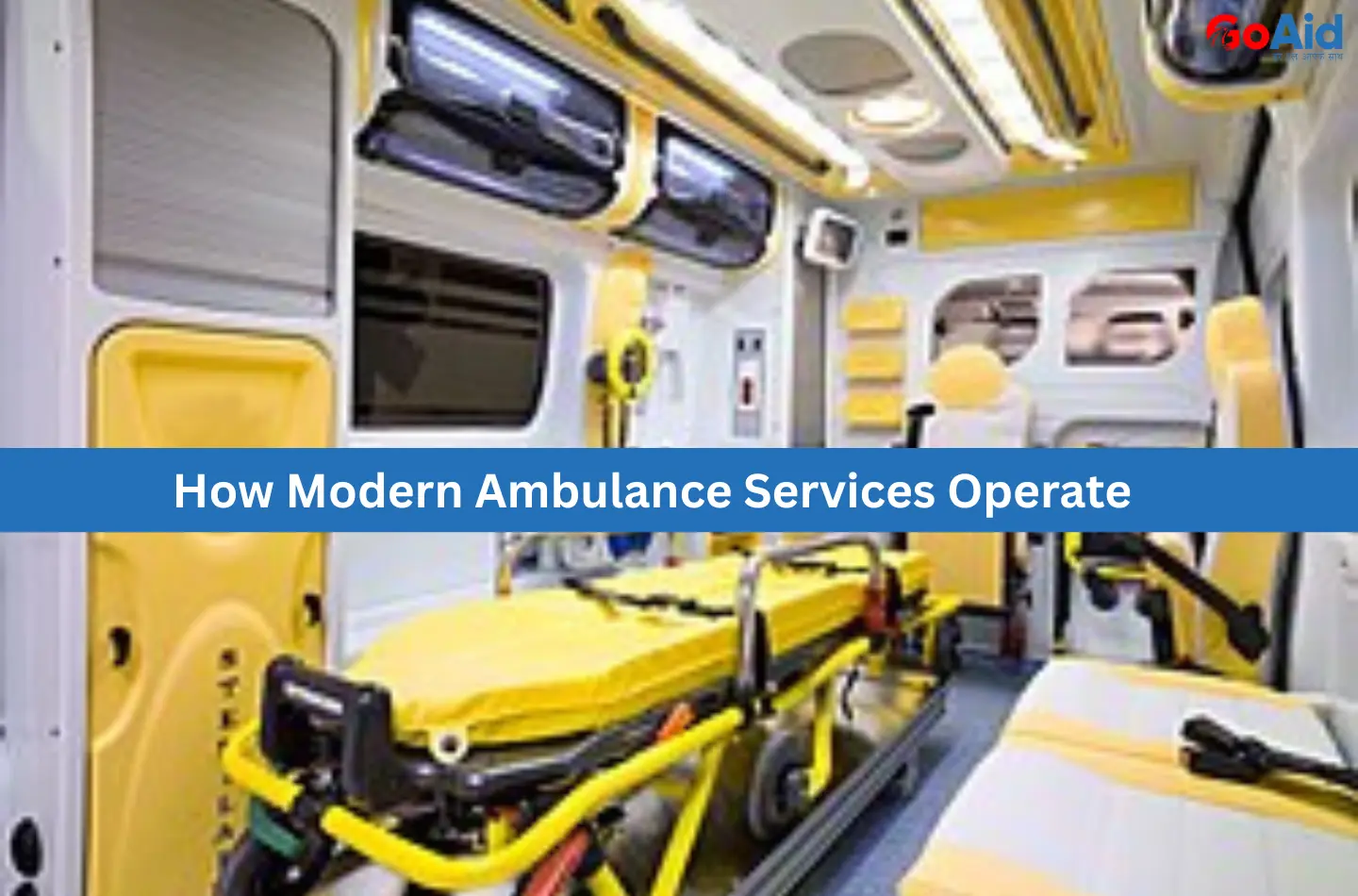
Inside an Ambulance: Equipment and Medical Facilities Available
Modern ambulances support the complete ambulance patient care process with advanced tools and life-saving facilities.
- Cardiac Monitor & Defibrillator: Helps track heartbeat and deliver shocks during cardiac arrest, ensuring a strong ambulance emergency procedure during critical care.
- Ventilator System: Offers breathing support for severe respiratory issues and strengthens the emergency ambulance service for unstable patients.
- Oxygen Cylinder & Mask: Essential for trauma, asthma, or low oxygen levels, forming the core of the ambulance patient care process.
- Suction Machine: Removes airway blockages, supporting smooth breathing and speeding up the ambulance service process.
- First-Aid & Trauma Kit: Includes bandages, splints, and emergency tools for injuries, enabling fast ambulance service support.
- Stretcher & Spine Board: Ensures safe patient movement and stabilisation, improving the ambulance response system.
- IV Fluids & Emergency Medicines: Support immediate treatment and help stabilise patients before hospital arrival.
Types of Medical Staff Onboard and Their Responsibilities
Every ambulance service process depends on trained medical professionals who ensure timely, safe, and expert patient care.
- Emergency Medical Technician (EMT): Handles basic treatment, monitoring, and stabilisation, supporting the emergency ambulance service.
- Paramedic: Provides advanced procedures like airway management and injections to strengthen the ambulance emergency procedure.
- Ambulance Driver: Expert in quick navigation and ensures fast ambulance service using the ambulance response system.
- Nurse: Assists with medicines, monitoring, and the ongoing ambulance patient care process during transport.
- Doctor (ALS/ICU Cases): Manages critical treatments and monitors life-threatening conditions during advanced emergency ambulance service.
- Ambulance Helper: Supports lifting, shifting, and immediate assistance to improve the ambulance service process.
- Dispatch Coordinator (Remote): Guides the team with continuous instructions and updates to maintain smooth 24/7 ambulance service operations.
Challenges Ambulance Services Face in Indian Cities
Indian cities face major hurdles in delivering timely ambulance services. Traffic congestion, infrastructure issues, and limited awareness slow down emergency medical response and affect patient outcomes across urban regions.
- Heavy Traffic Congestion: Dense city traffic delays ambulance movement, affecting fast emergency response and increasing risks during critical medical transport.
- Poor Road Infrastructure: Narrow lanes, potholes, and blocked routes slow down ambulance operations and disrupt planned emergency routes.
- Lack of Public Awareness: Low understanding of ambulance right-of-way reduces response speed and disrupts the emergency care process.
- High Call Volume: Major cities receive large numbers of emergency calls, increasing pressure on limited ambulance fleets and staff.
- Infrastructure Barriers in Slums: Overcrowded areas and inaccessible lanes make it difficult for ambulances to reach patients quickly.
- Limited Advanced Ambulances: Shortage of ALS and ICU ambulances affects critical care transport in urban emergencies.
- Delayed Hospital Coordination: Slow communication between hospitals and ambulance teams often leads to treatment delays.
How GoAid Ensures Faster Response With Technology & Training?
GoAid improves emergency care efficiency with smart technology, trained paramedics, and a structured ambulance response system designed to reduce delays and save lives across India.
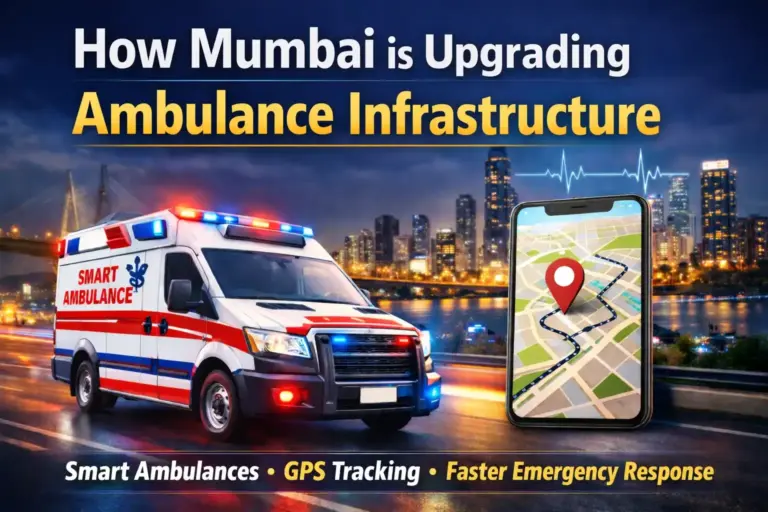
- GPS-Based Ambulance Tracking: Real-time tracking helps dispatch the nearest ambulance instantly, ensuring the fastest emergency response.
- Smart Route Optimization: Technology identifies traffic-free routes to reduce travel time in congested city areas.
- Trained Paramedic Workforce: Paramedics receive advanced training in emergency care to handle critical conditions with expertise.
- Instant App Booking: The GoAid emergency app allows quick ambulance booking, improving accessibility and response time.
- Centralized Control Room: A dedicated support team monitors calls and coordinates with ambulances for seamless communication.
- Digital Patient Monitoring: Equipped ambulances share vitals with hospitals in advance, ensuring prepared treatment on arrival.
- 24/7 Availability Nationwide: Round-the-clock ambulance service makes GoAid reliable for anytime emergency support.
Why GoAid is the Best Ambulance Provider in India?
GoAid stands out with its fast response, trained team, modern ambulances, and nationwide accessibility, making it one of India’s most trusted emergency medical service platforms.
- Fastest Response Time: GoAid’s optimized dispatch system ensures the quickest ambulance arrival, even during peak traffic hours.
- Wide Network Across India: A large fleet covering major cities ensures consistent emergency ambulance access.
- Well-Equipped Ambulances: From BLS to ICU ambulances, GoAid provides fully equipped vehicles for every type of medical emergency.
- Affordable Ambulance Costs: Transparent pricing and budget-friendly rates make emergency care accessible to everyone.
- Highly Skilled Paramedics: Professionally trained staff ensure safe patient handling and quality medical assistance during transport.
- Easy Online Booking: The GoAid app and website simplify ambulance booking with real-time updates and instant confirmation.
- Trusted by Thousands: Strong customer satisfaction and nationwide trust make GoAid a leading name in emergency medical services.
How to Book GoAid Ambulance Quickly and Correctly?
The booking process of a GoAid ambulance is simple and accessible for all users. GoAid ensures instant emergency response and smooth ambulance service anytime you need help with multiple booking methods.
Book GoAid Ambulance Through the Mobile App:
Use the GoAid mobile app to book an ambulance instantly. The app locates the nearest vehicle, provides real-time tracking, and ensures the fastest emergency response for patients.
Book GoAid on the Official Website
Visit the official GoAid website, choose your ambulance type, enter your location, and confirm the booking. The website provides quick access to 24/7 ambulance service options.
GoAid 24/7 Helpline for Emergency Ambulance Booking (8008280020):
Call 8008280020 anytime for immediate ambulance booking. The emergency support team quickly verifies your location and dispatches the nearest ambulance without delay.
Conclusion to How Modern Ambulance Services Operate
Modern ambulance services use technology, trained staff, and advanced medical equipment to provide fast and reliable emergency care. With GPS tracking, digital monitoring, and expert paramedics, today’s ambulance systems ensure quicker response and stronger patient safety during critical emergencies.
FAQs Related to How Modern Ambulance Services Operate
Question 1: How do modern ambulances ensure faster emergency response?
Answer: Modern ambulances use GPS tracking, optimized routing, and real-time dispatch systems to reach patients faster and reduce delays in urban emergency medical services.
Question 2: What equipment is available inside a modern ambulance?
Answer: Ambulances include oxygen support, cardiac monitors, stretchers, ventilators, first-aid kits, and advanced life-saving tools for critical patient care during transport.
Question 3: How does technology help improve ambulance services?
Answer: Technology enables smart routing, live tracking, digital patient monitoring, and instant communication between paramedics and hospitals, improving overall emergency care efficiency.
Question 4: What roles do paramedics and EMTs play in modern ambulance operations?
Answer: Paramedics and EMTs provide first-aid, stabilize patients, monitor vitals, and deliver emergency care during transport before handing over to hospital doctors.
Question 5: Why is choosing a reliable ambulance service important?
Answer: A trusted ambulance service ensures faster arrival, trained medical staff, and well-equipped vehicles, improving survival chances during critical medical emergencies.
Question-6: Does GoAid offer 24/7 modern ambulance services in cities?Answer: Yes, GoAid provides 24/7 modern ambulance services with trained paramedics, GPS-enabled vehicles, and instant booking options for emergencies across major cities.