
School and college events, whether sports competitions, cultural fests, or exams, involve large gatherings and active participation, which can sometimes lead to unexpected emergencies. Injuries, health issues, and accidents are common during these events. This makes it essential to have reliable ambulance services on standby to ensure student safety.
This is why, in this blog, we have provided you all the information about the topic. We have explained common emergencies during sports activities, how ambulances support academic and cultural fests, planning medical safety for large gatherings, emergency response protocols, suitable types of ambulances, trained paramedic importance, and more. Are you willing to know all these information in detail? Then read our blog to the end.
So, let’s start-
What are common emergencies during sports activities?
Sports events in schools and colleges often involve injuries and medical emergencies, requiring quick response and immediate first aid support.
1. Sprains and Strains
Athletes often twist joints or overextend muscles. This causes pain and swelling. Immediate assessment by trained paramedics and proper immobilization prevents further damage.
2. Fractures and Broken Bones
Falls or collisions can result in broken limbs. Ambulances provide stabilization, splints, and safe transport to hospitals for X-rays and treatment.
3. Head Injuries and Concussions
Players may hit their head during sports. Paramedics monitor consciousness levels, stabilize the neck, and transport safely if needed.
4. Heat Stroke or Dehydration
Intense physical activity in hot weather can lead to overheating. Ambulances provide oxygen, hydration support, and rapid transport to medical facilities.
5. Cardiac Emergencies
Students with undiagnosed heart conditions may collapse. Rapid medical response with defibrillators and oxygen can save lives during such events.
6. Allergic Reactions
Food allergies or insect bites can trigger severe reactions. Ambulances carry emergency medications like epinephrine and monitor vital signs en route.
7. Asthma Attacks
Physical exertion may trigger respiratory distress. Ambulances provide oxygen support and administer prescribed inhalers to stabilize the patient.
8. Eye Injuries
Sports-related impacts can injure eyes. Paramedics provide immediate care to prevent vision complications before hospital intervention.
9. Cuts and Lacerations
Sharp injuries during games require on-site first aid, wound cleaning, and proper dressing before hospital transport if severe.
10. Fainting or Hypoglycemia
Exhaustion, low blood sugar, or dehydration can cause fainting. Ambulances ensure quick evaluation, safe positioning, and monitoring during transport.
How do ambulances support academic and cultural fests?
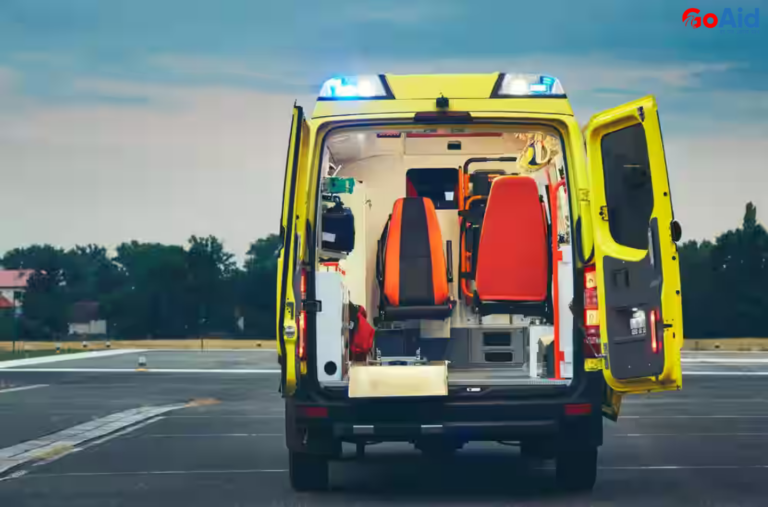
During academic and cultural festivals, large gatherings pose a variety of medical risks, from minor injuries to serious emergencies. Ambulances stationed on-site provide rapid first aid and oxygen support, stabilizing patients before hospital transport if required.
Trained paramedics monitor crowd safety, respond to sudden health crises, and coordinate with event management teams for smooth emergency handling. Specialized ambulances, including BLS and oxygen units, cater to critical patients.
The presence of ambulances reduces panic, ensures timely care for injuries, and complies with safety regulations. Overall, ambulances play a vital role in maintaining safe and well-prepared events for students and staff.
How should schools plan medical safety for large gatherings?
Planning medical safety ensures prompt response during school events, preventing injuries, emergencies, and minimizing risks for students and staff.
1. Conduct Risk Assessment
Evaluate potential hazards such as crowded areas, sports equipment, and slippery surfaces. This helps in preparing contingency plans and allocating medical support efficiently during events.
2. Station Ambulances On-Site
Arrange for GoAid or other trained ambulance services to be present on-site. This ensures rapid medical response for any student or staff emergency.
3. Designate First Aid Zones
Set up accessible first aid stations equipped with oxygen cylinders, stretchers, and emergency kits for immediate care before hospital transfer if needed.
4. Train Staff and Volunteers
Provide basic first aid and emergency response training to teachers, staff, and volunteers to manage minor injuries before professional help arrives.
5. Maintain Emergency Contact List
Have a list of local hospitals, ambulance services (8008280020), and emergency contacts ready for quick coordination during any incident.
6. Crowd Management & Evacuation Plans
Implement measures to control crowd movement, prevent congestion, and facilitate safe evacuation if a medical or fire emergency occurs.
7. Communication & Awareness
Inform students, staff, and parents about medical stations, emergency procedures, and protocols to ensure cooperation during crises.
What emergency response protocols are needed for students?
Structured emergency protocols are essential to manage injuries, health crises, and accidents efficiently during school and college events.
1. Immediate Assessment & Triage
Evaluate severity of injury or illness, prioritize critical cases, and provide on-site care to stabilize students before hospital transport.
2. On-Site First Aid & Treatment
Administer oxygen, CPR, or wound care as necessary to prevent complications while waiting for professional ambulance support.
3. Rapid Ambulance Activation
Call GoAid Ambulance Service (8008280020) or other providers to ensure timely transportation of critical patients to hospitals.
4. Parent/Guardian Notification
Inform the child’s guardians immediately regarding the incident, medical condition, and hospital destination for transparency and coordination.
5. Documentation & Record Keeping
Maintain records of incidents, treatments administered, and hospital transfers for accountability, follow-up care, and safety improvements.
6. Crowd and Area Management
Ensure safety of surrounding students, restrict access to the injured area, and maintain calm to allow paramedics to work effectively.
7. Coordination with Hospitals
Communicate with the receiving hospital to provide patient information, enabling smooth transition and immediate specialized care upon arrival.
Which types of ambulances are suitable for school events?
Different emergencies during school and college events require specific types of ambulances to provide safe, efficient, and age-appropriate medical care.
1. Basic Life Support (BLS) Ambulances
BLS ambulances are equipped with essential first aid kits, stretchers, oxygen cylinders, and basic monitoring equipment. They handle minor injuries, sprains, cuts, and sudden illness efficiently. This provides immediate care and stabilization before hospital transfer. They are ideal for general event coverage and quick response.
2. Advanced Life Support (ALS) Ambulances
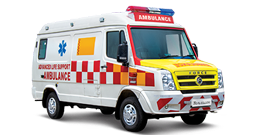
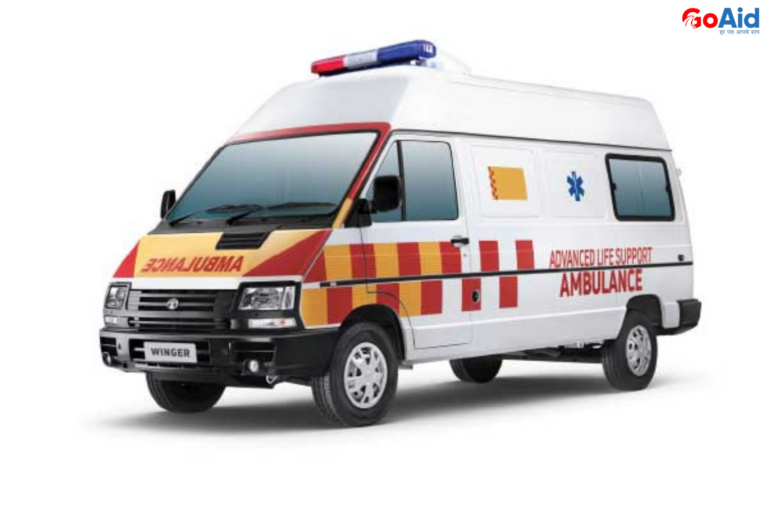
ALS ambulances carry advanced medical equipment such as defibrillators, cardiac monitors, oxygen, and emergency medications. They are suitable for severe injuries, cardiac emergencies, or life-threatening conditions during sports events or large gatherings. This ensures patients receive high-level pre-hospital care.
3. Oxygen Ambulances
Oxygen ambulances are specifically designed to provide continuous oxygen support for children or adults with respiratory distress, asthma, or sudden breathing difficulties. They are equipped with ventilators, oxygen cylinders, and trained paramedics to stabilize patients while transporting them safely to hospitals.
4. Pediatric Ambulances
Pediatric ambulances cater to the unique medical needs of children, featuring child-sized stretchers, pediatric ventilators, and specialized emergency kits. Trained paramedics handle pediatric emergencies. This ensures safe monitoring, oxygen support, and rapid transport to medical facilities when required.
5. ICU Ambulances
ICU ambulances are fully equipped with ventilators, cardiac monitors, advanced life support systems, and critical care supplies. They are suitable for high-risk students or staff with pre-existing conditions or life-threatening emergencies. This provides intensive care during transport and reducing complications before reaching the hospital.
Why is having trained paramedics on-site important?
Having trained paramedics on-site during school and college events ensures that any medical emergency is handled immediately and professionally. They provide life-saving interventions, including CPR, oxygen administration, and stabilization of fractures or head injuries before hospital transport.
Paramedics can quickly assess severity, triage multiple cases, and make decisions that prevent complications or long-term health issues. Their expertise also ensures safe monitoring of students with pre-existing conditions like asthma or cardiac problems.
By coordinating with event organizers, ambulances, and local hospitals, on-site paramedics enhance the overall safety of events, reduce panic during emergencies, and improve outcomes significantly.
How does GoAid support educational institutions during events?
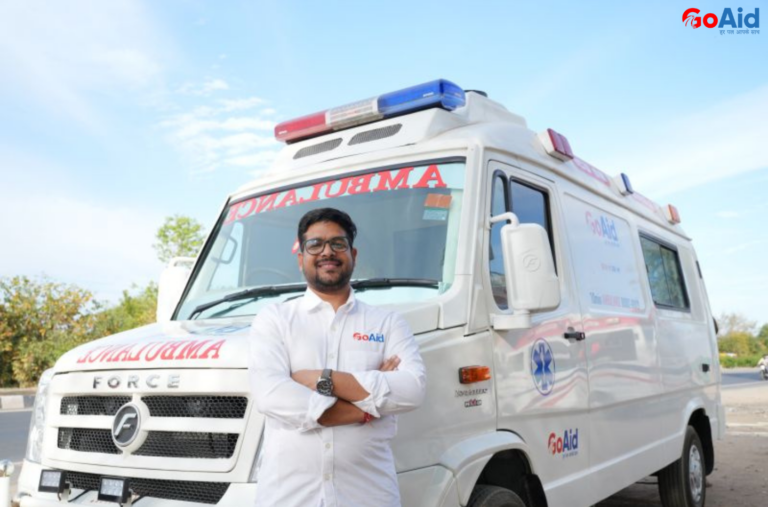
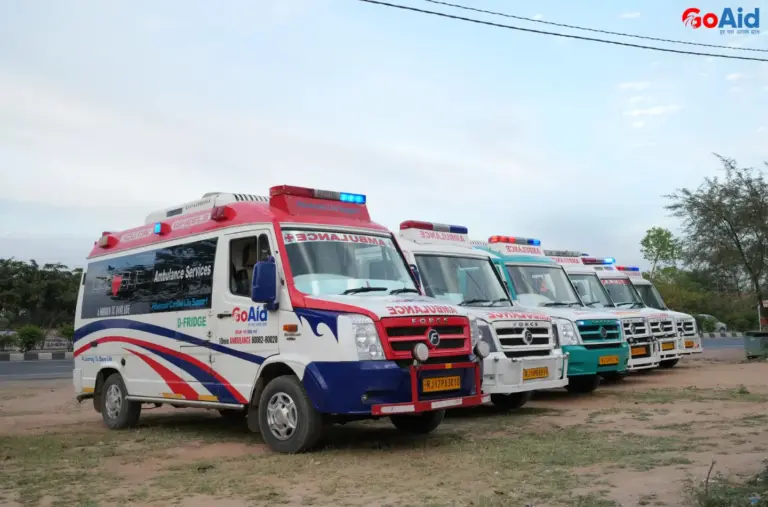
GoAid Ambulance Service provides comprehensive support for schools and colleges during events. This ensures safety and quick medical response. They deploy appropriate ambulances, including BLS, ALS, oxygen, and pediatric units, depending on the event type and expected risks.
Trained paramedics are available on-site to administer first aid, oxygen, or other emergency care. GoAid also coordinates with local hospitals. This ensures rapid transfer for severe cases.
Their services include pre-event planning, risk assessment, and emergency protocols guidance for staff and organizers. With real-time tracking and reliable communication, GoAid ensures student and staff safety while minimizing panic during sports, cultural fests, exams, or large gatherings.
What preventive measures ensure event safety?
Preventive measures reduce medical risks during school or college events and ensure timely response to emergencies for students and staff.
1. Conduct Risk Assessment
Identify potential hazards like crowded areas, sports equipment, or uneven surfaces, and prepare plans to minimize accidents and emergencies during events.
2. Pre-Event Health Screening
Check students for pre-existing conditions or allergies. This ensures necessary precautions and ambulance preparedness for high-risk individuals.
3. Station Ambulances On-Site
Deploy GoAid or other trained ambulance units with appropriate equipment to respond rapidly to injuries, respiratory issues, or cardiac emergencies.
4. Designate First Aid Zones
Set up well-equipped first aid stations with oxygen cylinders, stretchers, and emergency kits at easily accessible locations throughout the venue.
5. Train Staff and Volunteers
Provide training in basic first aid, CPR, and emergency response to teachers, staff, and volunteers for immediate on-site care.
6. Maintain Emergency Contact List
Keep updated contacts of hospitals, ambulance services (8008280020), and guardians for quick communication during emergencies.
7. Implement Crowd Control Measures
Manage student movement, prevent overcrowding, and ensure clear access routes for ambulances and paramedics during incidents.
8. Educate Students on Safety Protocols
Inform students about emergency procedures, location of medical stations, and what to do in case of accidents.
9. Conduct Drills
Practice emergency drills to prepare students and staff for quick, coordinated action during actual medical or safety incidents.
10. Monitor Environmental Conditions
Ensure proper ventilation, shade, hydration stations, and air quality monitoring to prevent heatstroke, dehydration, or respiratory emergencies.
Conclusion
In conclusion, we have provided you all the details about the importance of ambulances in school and college events. From common emergencies during sports, academic, and cultural activities to the types of ambulances required, trained paramedics, and preventive measures, proper planning ensures student and staff safety.
GoAid Ambulance Service plays a vital role in providing on-site support, rapid response, and hospital coordination. By following safety protocols and deploying appropriate medical resources, educational institutions can host events confidently, reducing risks and ensuring timely medical care in emergencies.
FAQs
Q1: Why is it essential to have ambulances at school and college events?
A: Ambulances provide rapid medical response to injuries, respiratory emergencies, or sudden health issues during sports, fests, or exams. This ensures students receive immediate care and reducing risks of complications.
Q2: What types of ambulances should be deployed for school events?
A: Depending on the event, BLS, ALS, oxygen, pediatric, or ICU ambulances are suitable to handle minor injuries, respiratory distress, or critical emergencies effectively.
Q3: How do trained paramedics improve event safety?
A: Paramedics assess, stabilize, and treat students on-site, perform CPR or oxygen support, and coordinate with hospitals. This ensures professional medical intervention during emergencies.
Q4: How can schools prepare for emergencies during large gatherings?
A: Schools should conduct risk assessments, set up first aid zones, train staff, deploy ambulances, maintain emergency contacts, manage crowds, and conduct drills for smooth emergency handling.
Q5: How does GoAid Ambulance Service support educational institutions?
A: GoAid provides on-site ambulances, trained paramedics, pre-event planning, risk assessment guidance, emergency response coordination, and rapid hospital transfer for students during school and college events.