

Large public gatherings, such as concerts, rallies, or festivals, often involve dense crowds and high activity levels. This increases the risk of injuries or medical emergencies. Event organizers must prioritize safety to prevent emergencies from escalating and ensure timely care for attendees.
This is why, in this blog we have provided you with all the details about why medical services are crucial for public events, common crowd injuries, benefits of onsite ambulances, quick emergency response, event health preparedness, GoAid’s event coverage, and how standby medical teams help minimize risks. Do you want to know all these information in detail? then read our blog to the end.
So, lets start
Why Are Medical Services Necessary for Large Public Gatherings?
Large public gatherings, such as concerts, festivals, and sports events, pose significant health and safety risks. Medical services are essential to prevent emergencies, manage injuries, and ensure crowd safety effectively.
1. Immediate Response to Injuries
Onsite medical teams provide instant care for cuts, fractures, or minor accidents. This reduces complications and preventing escalation of injuries during crowded events.
2. Crowd Health Monitoring
Trained paramedics can monitor attendees for dehydration, heatstroke, or fainting. This ensures early intervention and minimizing health hazards in large crowds.
3. Quick Ambulance Transport
Having ambulances onsite ensures rapid transfer to hospitals when critical emergencies occur. This saves valuable time and improving survival chances.
4. Prevention of Panic Situations
Medical teams reassure the crowd during emergencies. This helps control panic and ensures orderly management of potentially chaotic situations.
5. Managing Chronic Conditions
Attendees with pre-existing medical conditions, such as diabetes or heart issues, can receive immediate attention, preventing severe health crises during events.
6. Compliance with Safety Regulations
Event organizers fulfill legal and safety requirements by having medical coverage. This ensures the gathering meets national health and safety standards.
7. Reducing Liability Risks
Proper onsite medical care minimizes legal risks for organizers by demonstrating proactive measures to safeguard attendees’ health and safety.
8. Handling Large-Scale Emergencies
Trained teams are prepared for mass casualty scenarios or multiple injuries, coordinating efficient response without overwhelming local hospitals.
9. Enhancing Event Reputation
Visible medical preparedness builds public trust, showing organizers prioritize attendee well-being, which can improve participation in future events.
10. Support for Staff and Volunteers
Medical services not only assist attendees but also provide safety coverage for event staff and volunteers. This ensures overall operational continuity.
What Kind of Risks Can Occur During Events?
Large public events expose attendees to multiple health and safety risks. Identifying these risks in advance helps organizers prepare proper medical coverage and emergency protocols for a safer experience.
1. Dehydration and Heatstroke
Crowded venues, especially outdoors, can lead to dehydration and heat-related illnesses. This requires prompt medical attention to prevent serious complications.
2. Slips, Trips, and Falls
Uneven surfaces, stairs, and crowded areas increase the chance of minor or severe injuries from falls.
3. Cuts and Bruises
Accidental injuries from sharp objects, stage setups, or equipment mishandling are common and need immediate first aid.
4. Cardiac Emergencies
Attendees with pre-existing heart conditions may experience sudden cardiac events. This requires onsite defibrillators and medical personnel.
5. Fainting and Syncope
Long queues, fatigue, or standing in heat can cause fainting incidents, needing quick intervention.
6. Allergic Reactions
Food stalls or environmental triggers may cause allergic reactions. This requires immediate medical support to prevent escalation.
7. Crowd Crush or Stampedes
High-density gatherings can result in crush injuries or panic-related stampedes, needing coordinated emergency response and evacuation measures.
8. Infectious Disease Transmission
Large gatherings increase the risk of contagious diseases spreading without proper medical oversight and hygiene measures.
9. Substance Abuse or Overdose
Events with alcohol or other substances may result in overdoses or intoxication incidents. This requires professional care.
10. Structural or Equipment Failures
Falling stages, barriers, or lighting equipment can cause injuries, necessitating rapid onsite medical assistance.
How Does GoAid Support Onsite Emergency Ambulance Needs?
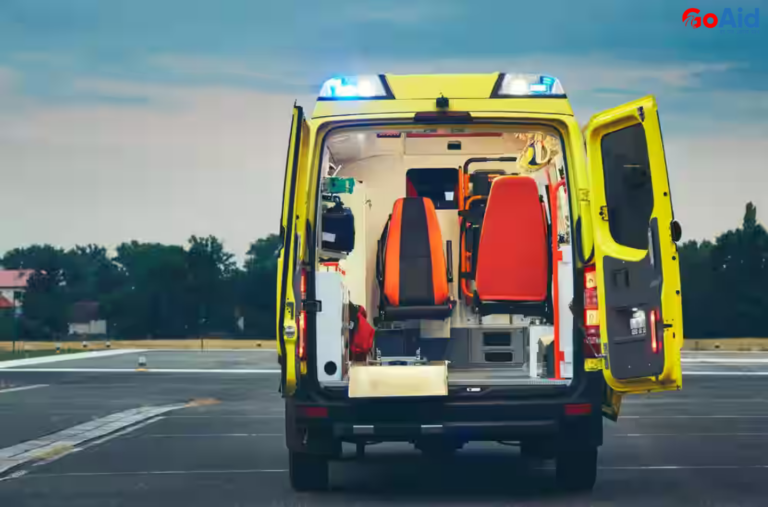
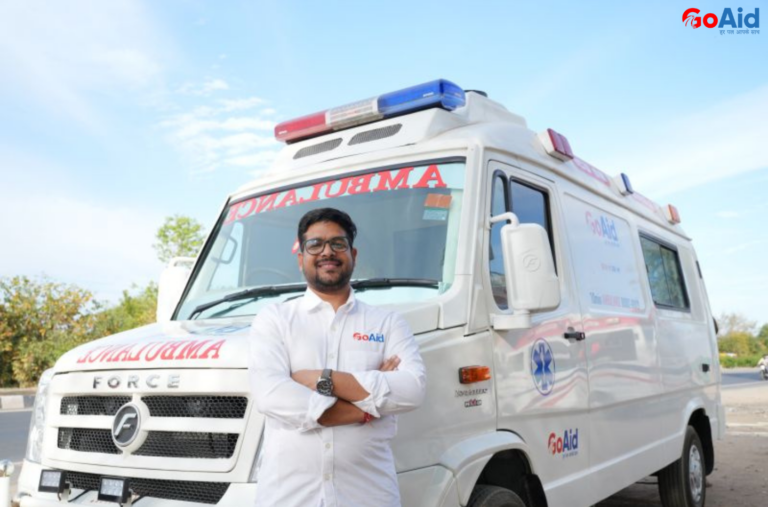
GoAid Ambulance Service provides comprehensive onsite medical coverage for public events. This ensures immediate assistance for all types of emergencies. Their services include fully equipped ambulances, experienced paramedics, and trained helpers ready to respond quickly to injuries, cardiac events, or other medical emergencies.
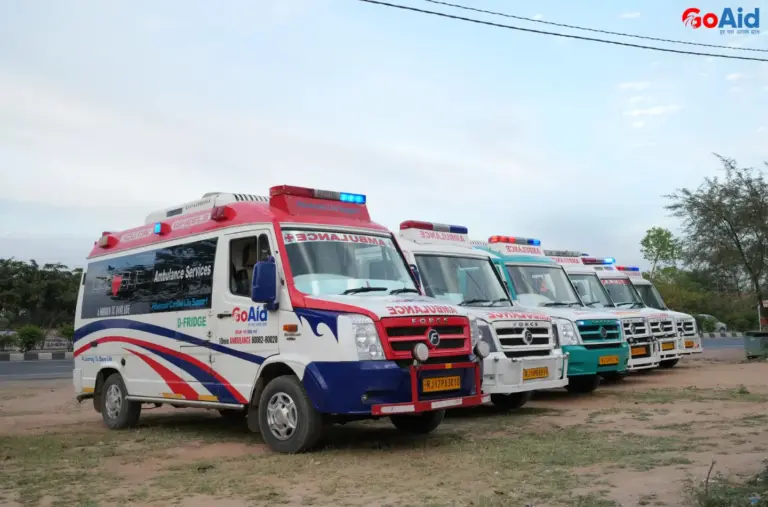
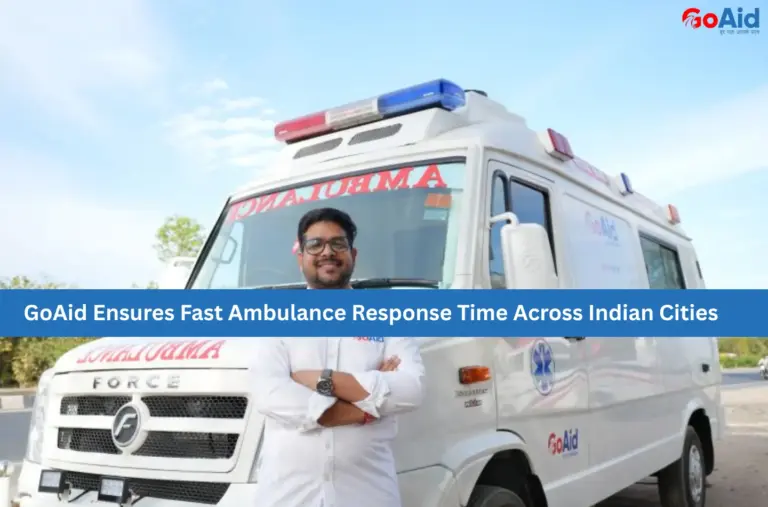
By deploying ambulances strategically across event venues, GoAid ensures rapid response within minutes. This reduces potential risks. The service also offers pre-event planning, risk assessment, and coordination with local hospitals to manage critical cases effectively.
Additionally, GoAid ensures compliance with safety regulations, provides private and safe care for attendees, and maintains high standards for emergency response during large gatherings, giving organizers and participants peace of mind.
Why Should Organizers Ensure Quick Medical Response?
Quick medical response is crucial at public events because delays in treatment can escalate injuries or health emergencies. Prompt attention to accidents, cardiac events, or sudden illnesses can save lives and prevent long-term complications.
Rapid response also helps maintain crowd control. This reduces panic and chaos during emergencies. Organizers who prioritize medical readiness demonstrate responsibility, enhance attendee trust, and comply with safety regulations, mitigating legal and liability risks.
Efficient emergency response ensures that both minor and severe health issues are addressed immediately, supporting overall event success. GoAid Ambulance Service provides expert onsite medical teams, equipped ambulances, and swift coordination with hospitals. This enables fast, reliable, and effective medical intervention during large gatherings.
What Type of Ambulances Are Ideal for Event Coverage?
Selecting the right ambulance type ensures efficient medical response, meets diverse emergency needs, and guarantees rapid care during public events. GoAid provides tailored options for every event scenario.
1. Basic Life Support (BLS) Ambulances
BLS ambulances provide essential medical care for minor injuries and emergencies, equipped with first-aid kits, stretchers, oxygen, and trained staff to stabilize patients before hospital transfer.
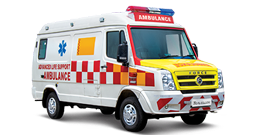
2. Advanced Life Support (ALS) Ambulances
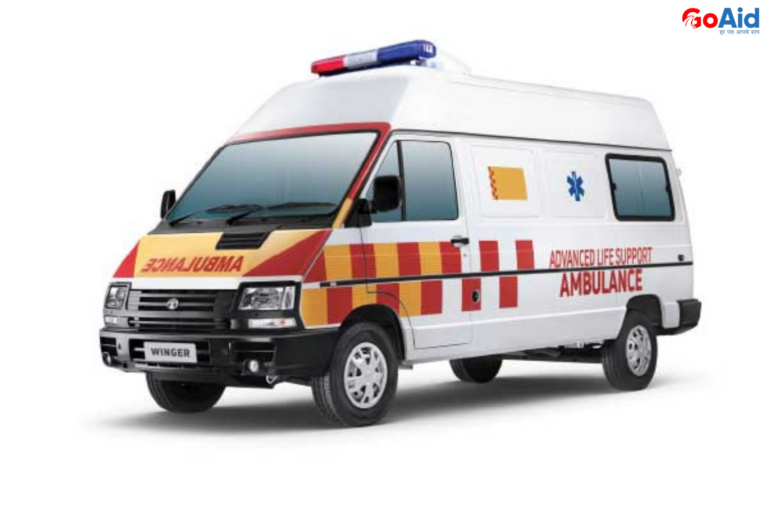
ALS ambulances handle critical emergencies with advanced equipment, cardiac monitors, defibrillators, and trained paramedics for immediate life-saving interventions during difficult medical situations.
3. ICU Ventilator Ambulances
These ambulances are designed for critical patients requiring intensive care, ventilators, and continuous monitoring. This ensures stability while transporting patients safely from event venues to hospitals.
4. Event or Mobile Medical Units
Equipped for onsite medical coverage, these units provide rapid first aid, minor treatment, and emergency stabilization, supporting both crowd safety and quick handling of multiple incidents.
5. Mortuary or Specialized Ambulances
For unfortunate fatalities, mortuary vans and specialized vehicles ensure dignified, safe, and hygienic transport while maintaining event safety and compliance with legal requirements.
How Does Onsite Medical Team Improve Crowd Safety?
An onsite medical team ensures rapid emergency response, continuous health monitoring, and preventive care. This reduces accidents and maintains calm during large public events for overall crowd safety and preparedness.
1. Immediate Injury Management
Trained medical staff treat injuries instantly, preventing complications and ensuring attendees receive care before conditions worsen.
2. Health Monitoring for High-Risk Attendees
Paramedics monitor elderly, children, and chronically ill participants, detecting early warning signs of health issues and providing timely intervention.
3. Quick Ambulance Deployment
Onsite ambulances ensure rapid transport to hospitals for critical patients. This reduces delays in emergency care during high-density events.
4. Crowd Control Support
Medical teams help manage panic situations, coordinating with security to safely guide people during emergencies, preventing stampedes or chaos.
5. First Aid Stations for Minor Emergencies
Setting up first-aid points allows treatment of minor injuries, dehydration, or heatstroke without overwhelming main medical units.
6. Preventing Medical Escalation
Early intervention minimizes severity of injuries or illnesses. This reduces hospitalizations and improving overall safety outcomes for event attendees.
7. Support for Volunteers and Staff
Medical teams also provide care for staff, security, and volunteers. This ensures the event workforce remains healthy and alert.
8. Preparedness for Mass Casualty Scenarios
Teams are trained to handle multiple emergencies simultaneously. This ensures coordinated response without delay during large-scale incidents.
9. Allergy and Medical Emergency Management
Immediate treatment for allergic reactions, asthma attacks, or sudden illnesses ensures quick recovery and prevents serious complications.
10. Boosting Public Confidence
Visible medical presence reassures attendees that their safety is prioritized, encouraging participation and creating a positive, secure environment.
Why Is Event Health Preparedness Crucial Today?
Modern events attract large crowds. This increases the likelihood of medical emergencies. Proper health preparedness ensures safety, minimizes risks, and helps organizers respond efficiently to accidents, illnesses, or unexpected situations during public gatherings.
1. Reducing Medical Emergencies
Preparedness measures. This includes onsite ambulances and trained staff, reduce the frequency and severity of injuries, heatstroke, or sudden illnesses at public gatherings.
2. Managing Crowd Density
Monitoring health and safety in dense crowds prevents stampedes, panic, and chaos. This ensures attendees remain safe during high-attendance events.
3. Compliance with Legal Requirements
Health preparedness ensures events meet government safety regulations and permits. This minimizes legal liability for organizers.
4. Handling Sudden Illnesses
Immediate access to medical care allows prompt treatment of unexpected health issues. This saves lives and reducing hospitalization needs.
5. Enhancing Public Confidence
Attendees feel secure knowing trained medical teams are present, encouraging participation and improving the event’s reputation.
6. Supporting Staff and Volunteers
Preparedness measures safeguard event personnel. This ensures they remain healthy, alert, and capable of performing their duties efficiently.
7. Preventing Escalation of Injuries
Early intervention prevents minor injuries from worsening. This reduces the burden on hospitals and improving overall safety outcomes.
8. Coordinated Emergency Response
Prepared teams can respond in an organized manner. This reduces confusion and ensuring faster assistance during emergencies.
9. Minimizing Financial Losses
Quick medical response prevents prolonged disruptions. This reduces potential financial losses caused by accidents or emergencies.
10. Promoting a Safe Environment
Overall health preparedness creates a secure atmosphere. This makes public gatherings enjoyable while prioritizing attendee well-being.
How Can Organizers Plan Emergency Response Effectively?
Effective emergency response planning ensures timely care, reduces risks, and safeguards attendees during events. Organizers can mitigate crises through structured strategies, coordination with medical services, and detailed preparation before gatherings.
1. Conduct Risk Assessments
Identify potential hazards, crowd density, and high-risk areas to implement preventive measures and allocate medical resources efficiently.
2. Define Emergency Protocols
Develop clear procedures for medical emergencies. This includes communication, patient transport, and coordination with hospitals and security teams.
3. Deploy Onsite Medical Teams
Ensure trained paramedics and helpers are strategically placed to provide rapid response across the venue.
4. Arrange Ambulance Coverage
Have multiple ambulances. This includes BLS and ALS units, ready to respond instantly to critical incidents.
5. Establish First Aid Stations
Set up multiple first-aid points for minor injuries, dehydration, and health monitoring. This reduces pressure on main medical units.
6. Train Staff and Volunteers
Equip event personnel with basic first-aid knowledge and emergency response awareness to assist in initial care.
7. Coordinate with Local Hospitals
Pre-notify hospitals for potential emergencies and ensure smooth patient transfer for severe cases.
8. Communication Planning
Use radios, apps, or PA systems for quick alerts, reporting incidents, and coordinating response efficiently.
9. Conduct Drills
Simulate emergencies before the event to test readiness, identify gaps, and improve response effectiveness.
10. Monitor Crowd Health
Continuously track attendee health, checking for heat exhaustion, fainting, or other issues requiring immediate intervention.
What to Include in Your Event’s Safety Management Plan?
A comprehensive safety management plan ensures preparedness, risk reduction, and quick action during emergencies. Including key elements safeguards attendees, staff, and the overall success of public gatherings.
1. Risk Identification
List all potential hazards. This includes injuries, medical emergencies, fire, structural failures, and crowd-related risks for proactive planning.
2. Medical Coverage Details
Specify ambulance types, number of paramedics, first-aid stations, and response time objectives for quick medical assistance.
3. Emergency Contact List
Include local hospitals, fire, police, and key event staff contacts for fast coordination during incidents.
4. Crowd Management Strategies
Define entry, exit, and movement plans to prevent congestion, stampedes, and panic situations.
5. Communication Protocols
Outline methods for reporting emergencies, public announcements, and internal coordination to maintain clarity and reduce confusion.
6. Evacuation Plans
Create clear evacuation routes and procedures for rapid and safe crowd dispersal in emergencies.
7. Staff Roles and Responsibilities
Assign specific duties for security, medical teams, volunteers, and organizers to ensure organized response.
8. Equipment and Resource List
Include necessary medical, safety, and emergency equipment. This ensures readiness for any potential incident.
9. Training and Drills
Document regular staff training and emergency simulation exercises to ensure preparedness and quick response.
10. Post-Event Review
Include procedures for evaluating incidents, reporting outcomes, and improving future event safety management plans.
How Ambulance Presence Reduces Liability for Event Hosts?
Having ambulances onsite significantly reduces legal and financial liability for event organizers. Immediate medical response ensures timely care for injuries or health emergencies, preventing complications that could lead to lawsuits.
Proper medical coverage demonstrates compliance with government safety regulations, showing organizers prioritize attendee well-being. This proactive approach also minimizes risks associated with crowd accidents, cardiac events, or unexpected illnesses.
Insurance providers often require medical preparedness to approve coverage. Overall, visible ambulance presence, trained paramedics, and quick emergency response help organizers mitigate risks, maintain public trust, and ensure that all safety standards are met during large public gatherings.
Conclusion
In conclusion, we have provided all the information about the importance of medical preparedness and onsite ambulances at public events. From risk identification to quick emergency response, GoAid Ambulance Service ensures crowd safety, compliance, and peace of mind for organizers.
Their trained medical teams, diverse ambulances, and comprehensive planning support reduce emergencies, protect attendees, and enhance event reputation.
By hiring GoAid, organizers can manage public gatherings responsibly, handle medical contingencies efficiently, and create a safe, secure, and enjoyable environment for all participants. This ensures overall event success.
FAQs
Q1: Why is onsite ambulance coverage important for events?
A: Onsite ambulance coverage ensures immediate medical attention for injuries, cardiac events, or emergencies. GoAid Ambulance Service provides trained paramedics and fully equipped vehicles to enhance safety and prevent escalation.
Q2: What types of ambulances does GoAid provide for events?
A: GoAid offers BLS, ALS, ICU ventilator, surgery, hospital, and mortuary ambulances. This ensures all medical needs at public gatherings are addressed efficiently and safely.
Q3: How quickly can GoAid respond during emergencies at events?
A: GoAid ensures a 10-minute response time from onsite locations. This provides rapid medical intervention. This reduces complications, and enhancing crowd safety during public gatherings.
Q4: Does GoAid help with emergency planning for events?
A: Yes, GoAid supports organizers in emergency response planning, risk assessment, staff training, and coordination with hospitals. This ensures comprehensive medical preparedness for large public events.
Q5: How does hiring GoAid reduce legal liability for organizers?
A: Having GoAid ambulances and trained teams onsite demonstrates compliance with safety regulations, ensures timely care, minimizes risks, and protects organizers from potential lawsuits or claims related to health emergencies.