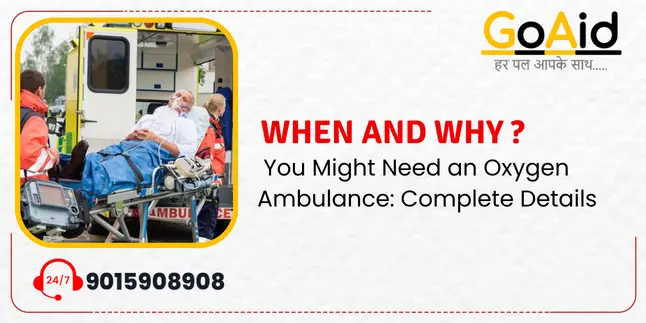


In a medical emergency, choosing the right ambulance directly impacts patient safety and survival. Different medical situations require different levels of care and expertise during transport.
You should understand that an unsuitable ambulance can delay treatment and increase health risks. A well-matched ambulance type ensures proper medical emergency response and safe transfer to the right hospital without complications.
Overview of Different Ambulance Types
The right understanding of different ambulance types helps patients and families to make informed decisions during emergencies. A BLS ambulance is designed for non-critical patients who need basic monitoring and safe transport.
An ALS ambulance supports patients requiring medications, cardiac monitoring, or advanced interventions. An ICU ambulance is equipped with ventilators and intensive care equipment for critically ill patients. The right ambulance service depends on the medical condition, urgency, and level of care needed.
GoAid Ambulance offers multiple ambulance options, ensuring fast ambulance service and reliable medical emergency response. With 24 hours ambulance service availability, GoAid helps patients access the best ambulance service suited to their medical needs across India.
Factors to Consider Before Selecting an Ambulance Type
The correct ambulance requires evaluating medical urgency, patient condition, and also required care level. These factors help ensure safe transport and timely treatment during a medical emergency.
- Patient’s Medical Condition: Assess whether the patient is stable or critical, as serious conditions often require ALS ambulance or ICU ambulance instead of basic transport.
- Required Medical Equipment: Check if oxygen support, cardiac monitoring, or ventilator assistance is needed to choose among different ambulance types.
- Urgency of Emergency: Life-threatening situations demand a fast ambulance service to reduce delays and improve medical emergency response.
- Distance of Patient Transfer: Long-distance transfers may require advanced care ambulances to maintain patient stability throughout the journey.
- Availability of Medical Staff: Ensure trained paramedics or medical professionals are present for continuous monitoring and care.
- Hospital Recommendations: Some hospitals advise specific ambulance types based on the patient’s diagnosis and treatment plan.
- Service Reliability: Choosing a trusted provider like GoAid Ambulance ensures access to the best ambulance service with 24 hours ambulance service support.
How GoAid Helps You Choose the Right Ambulance Instantly?
GoAid simplifies emergency decisions by guiding users to the right ambulance quickly. Its system matches patient needs with the appropriate ambulance type for safe and timely medical emergency response.
- Smart Emergency Assessment: GoAid’s booking process helps identify patient condition quickly, ensuring the correct ambulance type is assigned without confusion.
- Multiple Ambulance Options: GoAid Ambulance offers access to BLS, ALS, and ICU ambulance services for varied medical needs.
- Fast Dispatch System: Advanced technology enables fast ambulance service by assigning the nearest available ambulance instantly.
- 24/7 Medical Support Access: GoAid operates as a 24 hours ambulance service, assisting patients anytime during emergencies.
- Trained Support Team: Experienced professionals guide callers in selecting the right ambulance service based on symptoms and urgency.
- Transparent Information: Clear details about different ambulance types help families make informed decisions under pressure.
- Nationwide Reliability: GoAid Ambulance is trusted across India for delivering the best ambulance service with consistent medical emergency response.
GoAid: Different Types of Ambulance Services in India
GoAid Ambulance offers a wide range of ambulance services designed to meet diverse medical needs across India, ensuring timely medical emergency response with the right level of care and fast ambulance service.
- Basic Life Support (BLS) Ambulance: A BLS ambulance is ideal for stable patients needing basic monitoring, oxygen support, and safe transfer without advanced medical interventions.
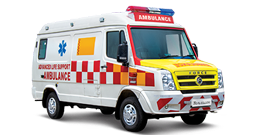
- Advanced Life Support (ALS) Ambulance: ALS ambulance services support critical patients requiring cardiac monitoring, medications, and advanced medical emergency response during transport.
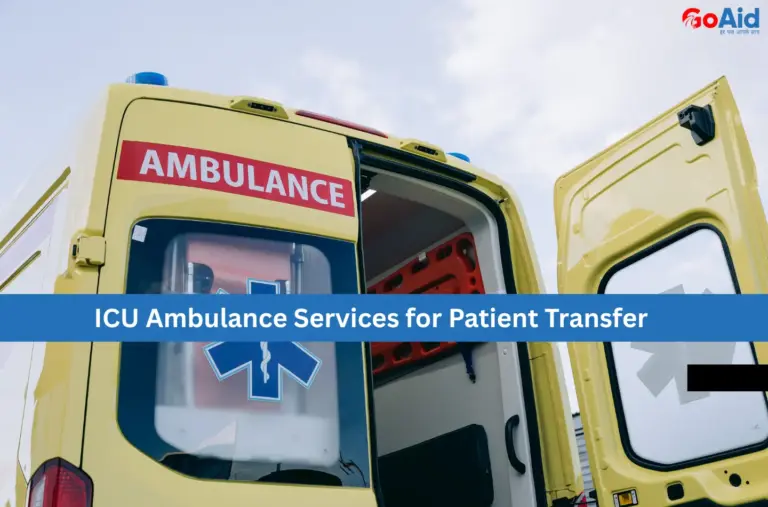
- ICU Ambulance: ICU ambulance services are equipped with ventilators and intensive care equipment for critically ill patients needing continuous life support.
- Neonatal Ambulance: Designed for newborn emergencies, this ambulance type provides incubators and specialized care during neonatal transfers.
- Cardiac Ambulance: Equipped with defibrillators and cardiac monitors, this ambulance supports heart-related emergencies requiring fast ambulance service.
- Dead Body Mortuary Van: GoAid offers dignified transportation with freezer box facilities for deceased individuals.
- Intercity Ambulance Service: Suitable for long-distance transfers, ensuring patient safety with trained staff and proper equipment.
- Event Ambulance Service: Deployed at public events to manage on-site medical emergencies and provide quick response.
- Air Ambulance Service: GoAid Air Ambulance provides rapid long-distance medical transport for critical patients, equipped with advanced life support and expert medical teams to reduce travel time significantly.
Read More: Difference between BLS Ambulance and ALS Ambulance
Common Mistakes to Avoid While Booking an Ambulance
In medical emergencies, booking an ambulance in panic usually leads to poor decisions. If you avoid common mistakes, then it helps you to ensure the right ambulance service is selected for safe and timely medical emergency response.
- Choosing the Wrong Ambulance Type: Selecting a basic ambulance for critical patients can delay treatment and worsen medical outcomes.
- Ignoring Patient Condition Details: Incomplete information during booking may result in inadequate medical support during transfer.
- Delaying the Booking Decision: Waiting too long reduces the effectiveness of fast ambulance service in emergencies.
- Not Checking Equipment Availability: Failing to confirm oxygen or ventilator support can risk patient safety.
- Relying on Unverified Providers: Choosing unreliable services may compromise response time and care quality.
- Overlooking Distance Factors: Long transfers require advanced ambulance types to maintain patient stability.
- Ignoring 24/7 Availability: Always choose a 24 hours ambulance service to avoid emergency delays.
Cost vs Care: Balancing Ambulance Charges with Medical Needs
It is crucial to balance ambulance cost with patient care during emergencies. While affordability matters, choosing the cheapest option may compromise medical emergency response. Different ambulance types offer varying levels of care, equipment, and staffing, which influence charges.
A BLS ambulance may be cost-effective for stable patients, while ALS or ICU ambulance services justify higher costs due to advanced life support. The right ambulance service ensures patients receive appropriate care without unnecessary expenses.
GoAid Ambulance follows transparent pricing and affordable rates, which help families make informed decisions. By matching medical needs with suitable ambulance types, patients can achieve both safety and cost efficiency while accessing fast ambulance service and reliable 24 hours ambulance service across India.
| Types of Ambulance | Price |
| Normal ambulance | 560-720 |
| ICU ambulance | 2200-2900 |
| oxygen Ambulance | 610-800 |
| Dead Body Mortury Van / Transfer | 580-750 |
| Dead Body Freezer Box on Rent | 2000-2900 |
| Train ambulance | 3100-6250 |
| Air Ambulance | 45000-900000 |
When to Upgrade Ambulance Type During Patient Transfer?
It is necessary to upgrade the ambulance type when a patient’s condition worsens during transfer. If vital signs become unstable, oxygen levels drop, or consciousness decreases, shifting from a BLS ambulance to an ALS or ICU ambulance is critical. Long-distance transfers may also require advanced support to prevent complications.
Patients developing breathing difficulty, cardiac issues, or severe pain need a higher medical emergency response during transit. The right ambulance service ensures timely intervention and continuous monitoring.
GoAid Ambulance enables quick upgrades based on real-time patient needs, offering fast ambulance service with advanced care options. This flexibility ensures patient safety while maintaining a reliable 24 hours ambulance service support.
Why GoAid Ambulance Services Are Trusted Across India?
GoAid Ambulance has earned nationwide trust by delivering consistent, timely, and patient-focused emergency care supported by trained professionals and advanced infrastructure.
- Fast Emergency Response: GoAid ensures fast ambulance service by dispatching the nearest available ambulance without unnecessary delays.
- Multiple Ambulance Types: From a BLS ambulance to an ICU ambulance, GoAid offers different ambulance types for all medical needs.
- 24/7 Availability: As a 24-hour ambulance service, GoAid operates day and night across major cities.
- Experienced Medical Team: Skilled paramedics and trained staff provide reliable medical emergency response during transfers.
- Technology-Driven System: Smart tracking and routing improve response time and service reliability.
- Transparent Pricing: Government-approved and affordable rates make GoAid a trusted ambulance service.
- Nationwide Coverage: GoAid Ambulance serves multiple regions across India, ensuring dependable emergency support.
How to Book the GoAid Ambulance Service?
GoAid makes ambulance booking simple, fast, and accessible through multiple convenient options designed for emergencies.
- Book GoAid Ambulance Through the Mobile App: Download the GoAid App to select the right ambulance type, track arrival in real time, and ensure fast ambulance service during emergencies.
- Book GoAid on the official website: Visit the official website to book an ambulance service easily with clear options and instant confirmation.
- GoAid 24/7 Helpline for Emergency Ambulance Booking: Call 8008280020 anytime to access a 24-hour ambulance service with immediate assistance.
Common Mistakes While Selecting an Ambulance
In a medical emergency, selecting an ambulance requires clarity and quick judgment. Avoiding common mistakes helps ensure timely medical emergency response, patient safety, and access to the right ambulance service.
- Choosing the Wrong Ambulance Type: Selecting a basic ambulance instead of an ALS or ICU ambulance for critical patients can delay life-saving treatment.
- Ignoring Patient Condition Details: Not clearly explaining symptoms during booking may result in inadequate medical support during transfer.
- Focusing Only on Cost: Choosing the cheapest option may compromise care quality and medical emergency response.
- Delaying the Booking Decision: Waiting too long reduces the effectiveness of fast ambulance service in emergencies.
- Overlooking Equipment Availability: Failing to confirm oxygen or ventilator support can endanger the patient.
- Relying on Unverified Providers: Choosing unreliable services can lead to delayed response and poor care.
- Ignoring 24/7 Availability: Always select a 24 hours ambulance service to avoid delays during night-time emergencies.
Conclusion to Choosing the Right Ambulance for Medical Emergencies
In a medical emergency, choosing the right ambulance can significantly impact patient outcomes. The appropriate ambulance type ensures timely medical emergency response, proper care, and safe transfer. With multiple ambulance options, fast ambulance service, and 24 hours ambulance service availability, GoAid Ambulance helps patients access the best ambulance service when every minute matters.
FAQ Related to Choosing the Right Ambulance for Medical Emergencies
Question-1: What factors should I consider when choosing an ambulance?
Answer: Consider the patient’s condition, urgency, required medical equipment, distance of transfer, and availability of trained medical staff for proper emergency care.
Question 2: What is the difference between BLS and ALS ambulance services?
Answer: A BLS ambulance provides basic care and monitoring, while an ALS ambulance offers advanced life support, medications, and cardiac monitoring.
Question-3: When is an ICU ambulance required?
Answer: ICU ambulance services are required for critically ill patients needing ventilator support, continuous monitoring, and intensive medical care during transfer.
Question 4: How does choosing the wrong ambulance affect patient safety?
Answer: Selecting an unsuitable ambulance may delay treatment, lack essential equipment, and increase health risks during a medical emergency.
Question-5: Are ambulance services available 24/7?
Answer: Yes, reliable providers like GoAid Ambulance offer 24-hour ambulance service for emergencies at any time of day or night.
Question 6: Is online ambulance booking safe during emergencies?
Answer: Online ambulance booking is safe and fast, enabling quick dispatch and access to the right ambulance service instantly.
Question-7: How can I ensure fast ambulance service in emergencies?
Answer: Choose a trusted provider with technology-enabled dispatch and nearby ambulance availability for quicker response times.
Question-8: Do ambulance charges vary by ambulance type?
Answer: Yes, ambulance charges depend on the type of ambulance, medical equipment, distance, and level of care required.
Question-9: Can the ambulance type be upgraded during transfer?
Answer: Yes, if a patient’s condition worsens, providers like GoAid Ambulance allow upgrades to higher-level care ambulances.
Question-10: Why is GoAid Ambulance considered the best ambulance service?
Answer: GoAid Ambulance is trusted for fast response, multiple ambulance types, trained staff, transparent pricing, and reliable medical emergency response.