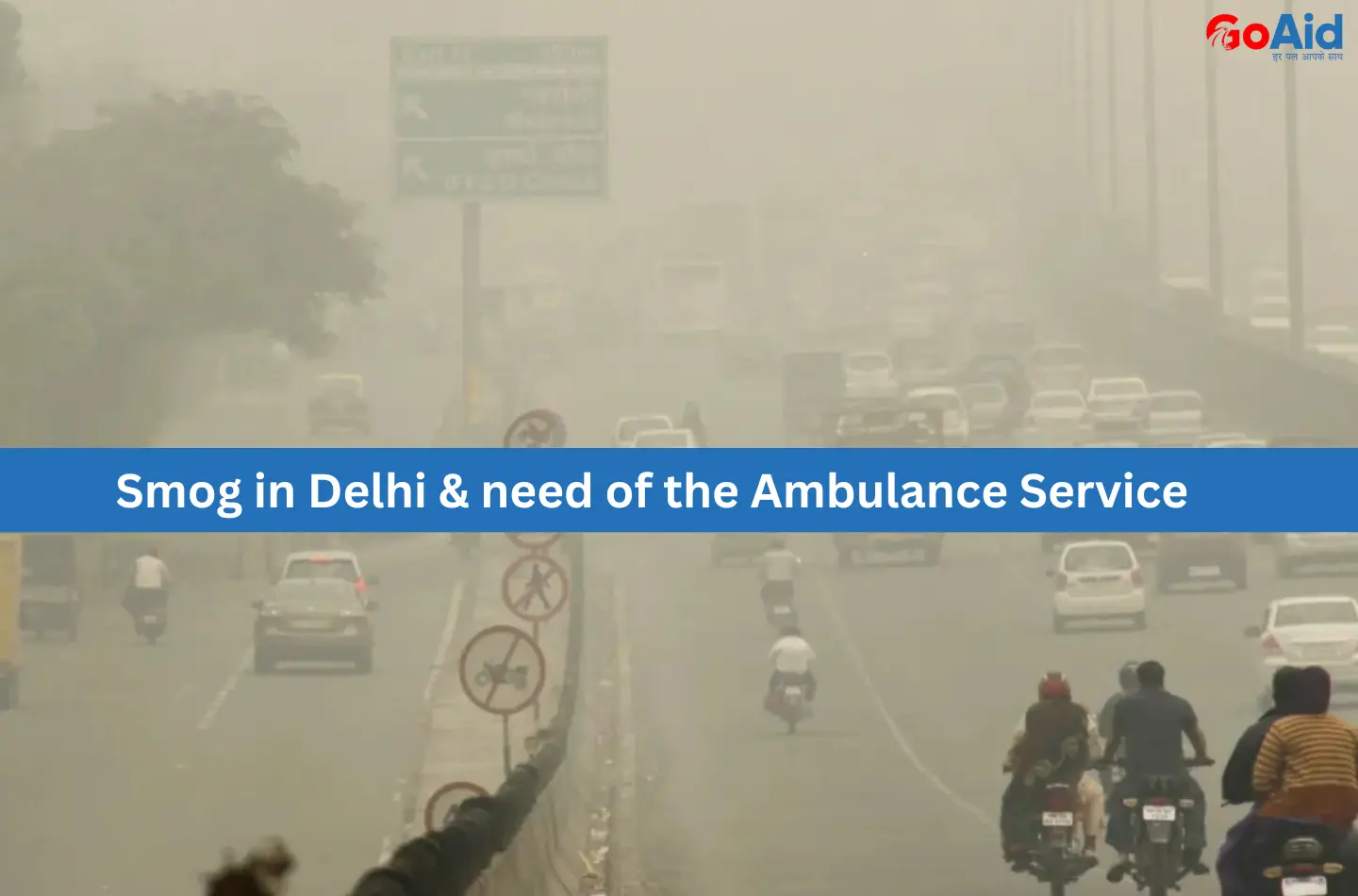

Every year, Delhi experiences severe smog during the winter months, and this drastically affects the health of people living in the city. Breathing becomes difficult, respiratory issues increase, and emergency medical cases spike.
This makes timely ambulance services crucial. The rising pollution levels are not only alarming but also life-threatening for vulnerable groups like children, the elderly, and people with respiratory problems.
This is why, in this blog, we have provided you all the information about the topic. We have explained what causes Delhi’s smog season, the major health risks associated with smog, the role of oxygen ambulances in emergencies, rapid response benefits, and more. Are you willing to know all this information in detail? Then read our blog to the end.
So, let’s start-
What Causes Delhi’s Smog Season?
Delhi’s smog season is primarily caused by a combination of natural and human factors, leading to hazardous air pollution health impacts. Vehicle emissions, industrial pollution, and construction dust contribute heavily to the problem.
Seasonal crop burning in neighboring states increases particulate matter, worsening the Delhi air pollution effects. Cold winter weather and calm winds trap pollutants near the ground, creating dense smog.
High levels of PM2.5 and PM10, along with nitrogen oxides, exacerbate smog season emergencies, affecting breathing and overall health. During this time, timely access to the GoAid Ambulance Service becomes crucial for emergency patient transport and fast medical response.
Major Health Risks of Smog Exposure
Smog exposure during Delhi’s winter months can cause severe respiratory distress and other health emergencies.
1. Respiratory Distress
Smog irritates airways. This causes coughing, wheezing, and shortness of breath. Children, elderly, and patients with chronic lung conditions are especially at risk.
2. Asthma Attacks
High particulate matter triggers sudden asthma flare-ups, often requiring urgent medical attention and oxygen ambulance services for fast response.
3. Chronic Bronchitis
Prolonged exposure inflames the bronchial tubes, leading to mucus buildup, persistent cough, and difficulty breathing, sometimes escalating to hospital admissions.
4. Cardiovascular Issues
Smog increases risks of heart attacks and strokes, particularly in vulnerable populations. This makes timely emergency patient transport vital.
5. Eye and Skin Irritation
Airborne pollutants cause redness, itching, and skin inflammation, which can aggravate pre-existing health issues.
6. Weakening Immune System
Continuous exposure reduces the body’s ability to fight infections, leading to higher rates of respiratory and viral illnesses.
7. Increased Hospital Visits
The surge in pollution-related hospital visits during smog season stresses healthcare services, emphasizing the importance of GoAid Ambulance Service for quick medical response.
What is the Role of Oxygen Ambulances in Emergencies?
During Delhi’s smog season, oxygen ambulance services play a crucial role in saving lives and providing fast medical response for patients in respiratory distress.
1. Immediate Oxygen Support
Oxygen ambulances provide critical oxygen supply to patients suffering from severe respiratory distress, helping stabilize their condition during transport to hospitals.
2. Fast Medical Response
Equipped with trained paramedics, these ambulances ensure timely intervention for emergencies, reducing the severity of smog season emergencies.
3. Safe Patient Transport
Oxygen-equipped vehicles safely transport patients from homes or outdoor locations to hospitals, minimizing health risks caused by poor air quality.
4. Support for Chronic Patients
Individuals with asthma, COPD, or other lung conditions benefit from continuous oxygen therapy during transit, preventing life-threatening complications.
5. Emergency Care on the Move
Paramedics can monitor vitals, provide basic treatment, and administer oxygen. This ensures patients remain stable until they reach medical facilities.
6. Handling Pediatric Cases
Specialized oxygen ambulances cater to children experiencing respiratory distress. This offers age-appropriate care and equipment during emergency transport.
7. Reducing Hospital Overcrowding
By providing pre-hospital oxygen support and stabilization, ambulances reduce the immediate burden on hospitals and ensure effective emergency patient transport.
How Does Rapid Response Save Lives in Smog-Covered Areas?
Rapid ambulance response is critical during Delhi’s smog season. This ensures patients receive fast medical response and timely care for severe respiratory distress and other emergencies.
1. Immediate Medical Attention
Quick response allows paramedics to assess the patient and provide urgent care, reducing complications during smog season emergencies.
2. Oxygen Administration on Spot
Rapidly arriving oxygen ambulances deliver immediate oxygen support, preventing breathing difficulties from escalating into critical conditions.
3. Stabilization During Transport
Paramedics stabilize vitals en route, reducing the risk of worsening respiratory emergency cases before reaching hospitals.
4. Reduced Mortality Risk
Faster medical intervention lowers the chances of fatalities in patients suffering from severe pollution-induced health issues.
5. Timely Pediatric Care
Rapid response ensures children experiencing asthma attacks or respiratory distress receive age-appropriate medical attention immediately.
6. Support for Elderly Patients
Elderly individuals with weak immunity or heart problems benefit greatly from prompt ambulance services during hazardous AQI.
7. Minimized Hospital Overcrowding
Stabilizing patients before hospital arrival allows better patient management and reduces strain on Delhi hospital emergency calls.
8. Faster Critical Transfers
Patients needing ICU care are transported quickly. This ensures access to advanced treatment without delay.
9. Emergency Coordination
Rapid response teams communicate with hospitals to prepare for incoming patients. This ensures seamless treatment.
10. Increased Family Confidence
Knowing GoAid Ambulance Service can respond within minutes gives families reassurance during high pollution emergencies.
What Are Major Types of Oxygen Ambulances Available in Delhi?
Delhi offers various types of oxygen ambulance services to meet different patient needs during smog season emergencies and respiratory distress treatment.
1. Basic Life Support (BLS) Ambulances
BLS ambulances are equipped with oxygen cylinders, basic monitoring equipment, and trained staff. They handle patients with mild to moderate respiratory distress. This provides safe and fast medical response to hospitals during smog emergencies.
2. Advanced Life Support (ALS) Ambulances
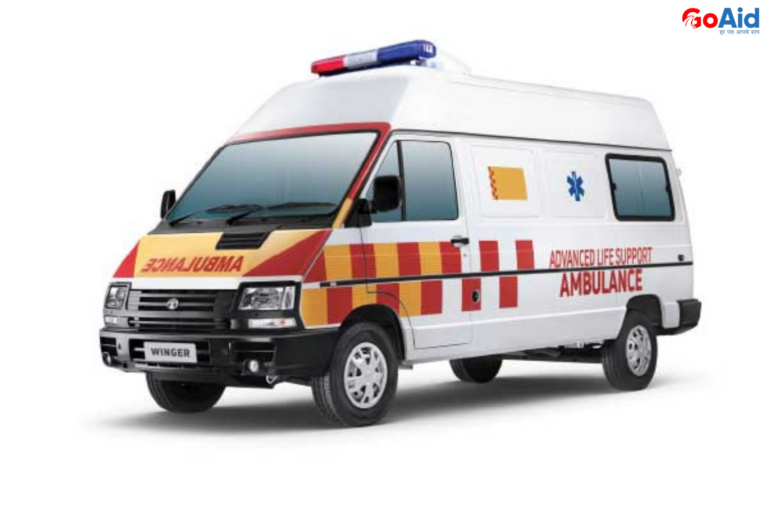
ALS ambulances come with advanced life-saving equipment, ventilators, and oxygen delivery systems. Paramedics can provide critical interventions on the spot, stabilizing severe respiratory emergency cases during transport.
3. ICU Ambulances
ICU ambulances are mobile intensive care units with ventilators, cardiac monitors, and emergency drugs. They are ideal for critically ill patients requiring continuous oxygen and monitoring during transit.
4. Pediatric Oxygen Ambulances
Specialized for children, these ambulances have child-sized oxygen masks, ventilators, and monitoring devices. Trained paramedics ensure safe and effective emergency patient transport for pediatric smog-related health emergencies.
5. Event & Mobile Oxygen Ambulances
These ambulances cater to large gatherings, sports events, or outdoor emergencies. They provide on-site oxygen support and rapid transport for individuals experiencing acute respiratory distress during pollution peaks.
What Are Key Symptoms That Require Immediate Ambulance Call?
During Delhi’s smog season, recognizing early warning signs is crucial to prevent respiratory emergency cases and ensure timely fast medical response.
1. Severe Shortness of Breath
Difficulty breathing, gasping for air, or inability to speak in full sentences indicates urgent respiratory distress and requires immediate ambulance support.
2. Persistent Wheezing or Coughing
Continuous wheezing, coughing, or chest tightness can escalate into critical conditions, necessitating rapid intervention by GoAid Ambulance Service.
3. Chest Pain or Pressure
Sudden or intense chest pain, especially in elderly or cardiac patients, may signal heart complications worsened by poor air quality.
4. Blue Lips or Fingertips
Cyanosis (bluish discoloration) indicates oxygen deprivation. Immediate transport via oxygen ambulance is critical to stabilize the patient.
5. Severe Asthma Attack
Inability to breathe or speak during an asthma episode requires urgent oxygen support and professional paramedic care.
6. Dizziness or Fainting
Pollution-induced hypoxia can cause fainting or extreme dizziness, signaling the need for rapid emergency medical attention.
7. High Fever with Breathing Issues
Fever combined with respiratory distress could indicate infection or pneumonia, common during smog exposure, needing urgent ambulance care.
8. Confusion or Disorientation
Sudden confusion or mental disorientation can result from low oxygen levels and requires immediate emergency patient transport.
9. Severe Vomiting or Nausea
Persistent vomiting along with breathing difficulty may exacerbate dehydration and respiratory problems, requiring fast ambulance intervention.
10. Cyanosis in Children or Infants
Children and infants showing signs of oxygen deprivation need immediate oxygen support and transport via pediatric oxygen ambulance.
How Can I Prepare My Family for Smog Season?
Proper preparation helps families prevent respiratory emergency cases and ensures timely response from GoAid Ambulance Service during Delhi’s smog season.
1. Monitor Air Quality Regularly
Check AQI updates daily to plan outdoor activities and reduce exposure, practicing proper air quality emergency preparedness.
2. Limit Outdoor Activities
Keep children, elderly, and patients with chronic conditions indoors during high AQI days to prevent smog-related health emergencies.
3. Use Protective Masks
N95 or similar masks filter pollutants, reducing the risk of respiratory distress when outdoor travel is unavoidable.
4. Install Air Purifiers
Air purifiers help maintain cleaner indoor air, protecting vulnerable family members from pollutants during the smog season.
5. Stay Hydrated and Eat Healthily
Adequate water intake and a nutritious diet support lung function and reduce the impact of pollution-related hospital visits.
6. Keep Emergency Contacts Ready
Save numbers of GoAid Ambulance Service (call 8008280020) and nearby hospitals for immediate medical assistance.
7. Educate Family Members
Teach children and elders to recognize warning signs like shortness of breath or chest pain and act promptly by calling an ambulance.
Long-Term Strategies That Can Be Used for Smog-Related Health Management
Implementing long-term strategies helps reduce respiratory emergency cases and improves overall family health during repeated high AQI periods in Delhi.
1. Regular Health Checkups
Frequent medical evaluations help detect early signs of lung or heart complications. This ensures timely intervention and reducing the severity of smog-related health emergencies.
2. Strengthen Immunity
Balanced nutrition, vitamins, and supplements improve immune function. This makes the body more resilient against pollution-induced illnesses.
3. Maintain Indoor Air Quality
Using air purifiers and sealing windows during high pollution days protects family members from PM2.5 and PM10 exposure.
4. Limit Exposure to Polluted Areas
Avoid busy roads, industrial zones, and outdoor exercises during peak smog hours to prevent pollution-related hospital visits.
5. Promote Clean Habits
Handwashing, avoiding smoking indoors, and keeping surfaces clean reduce the risk of infections exacerbated by poor air quality.
6. Educate Family and Community
Awareness of AQI levels, health risks, and emergency protocols improves preparedness and reduces dependency on emergency services.
7. Plan Emergency Medical Support
Keep contacts of GoAid Ambulance Service (8008280020) and hospitals ready for rapid oxygen support and fast medical response when needed.
Conclusion
In conclusion, we have provided you all the details about Delhi Smog Season: Why Oxygen Ambulances Become Lifesavers. We discussed causes of smog, major health risks, the role of oxygen ambulances, rapid response benefits, types of ambulances, key symptoms for ambulance calls, family preparedness tips, and long-term health management strategies during high pollution days. Timely medical support from GoAid Ambulance Service can save lives.
FAQs
Q1: What causes Delhi’s smog season?
A: Smog is caused by vehicle emissions, industrial pollution, crop burning, construction dust, and cold winter weather trapping pollutants. These lead to hazardous air pollution health impacts requiring emergency care.
Q2: When should I call an oxygen ambulance in Delhi?
A: Call immediately if severe breathing difficulty, chest pain, wheezing, or cyanosis occurs. GoAid Ambulance Service (8008280020) provides fast oxygen support for critical emergencies.
Q3: What types of oxygen ambulances are available in Delhi?
A: Delhi offers BLS, ALS, ICU, pediatric, and event/mobile oxygen ambulances, equipped with oxygen support, ventilators, and trained paramedics for smog season emergencies.
Q4: How can families prepare for smog season?
A: Limit outdoor activities, use air purifiers, wear N95 masks, monitor AQI, stay hydrated, and keep emergency contacts of GoAid Ambulance Service ready for fast response.
Q5: What long-term strategies reduce smog-related health risks?
A: Regular health checkups, strengthening immunity, maintaining indoor air quality, avoiding polluted areas, educating family, and planning emergency support ensure safety during high AQI days.