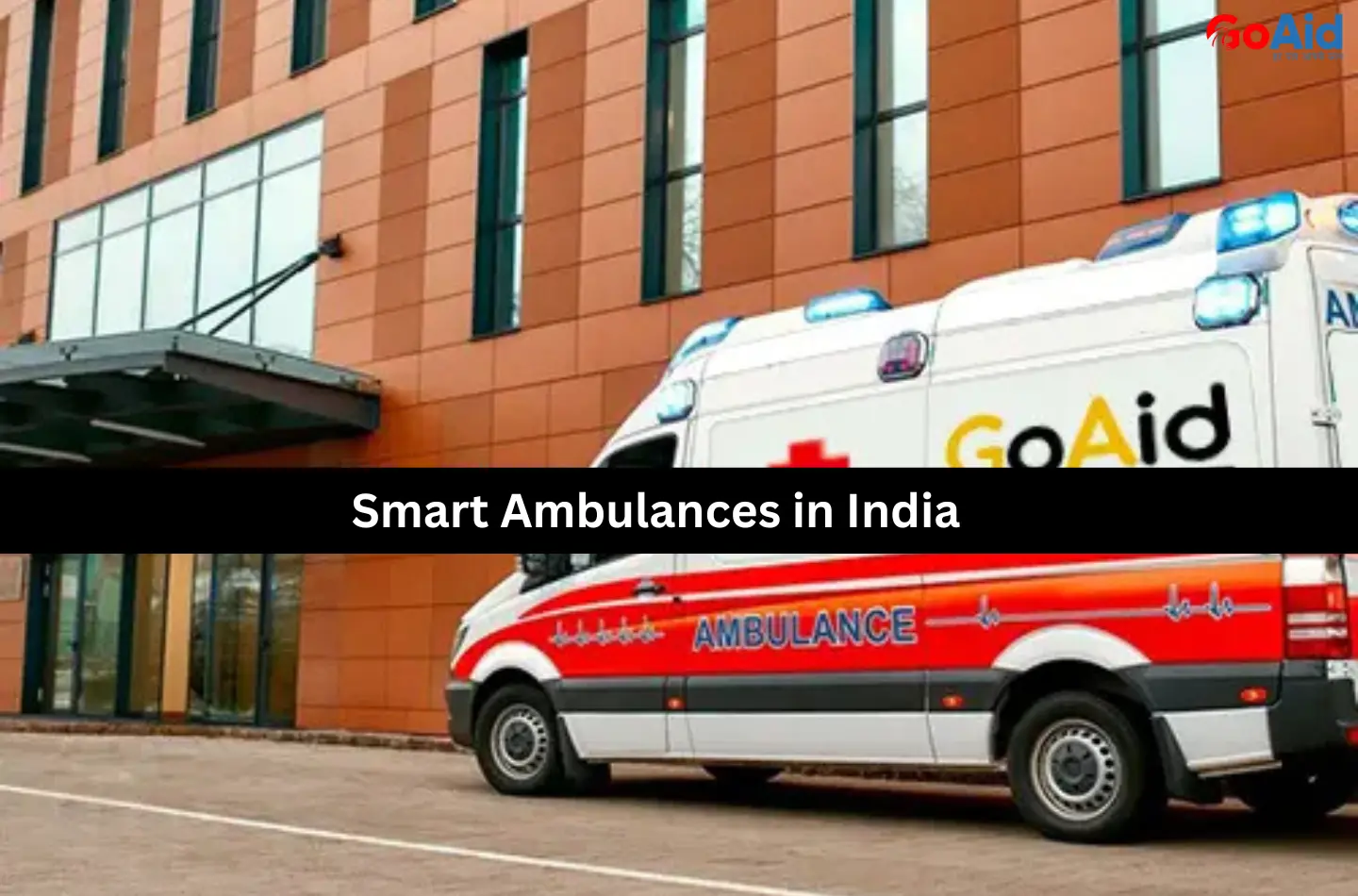

Emergency medical services in India are evolving rapidly, and smart ambulances are at the forefront of this transformation. Traditional ambulances often face delays, limited monitoring, and coordination challenges. This makes it essential to adopt technology-driven solutions that ensure faster, safer, and more efficient patient care.
This is why, in this blog, we have provided you with all the details about what makes an ambulance “smart,” how connected systems and telemedicine improve patient outcomes, real-time monitoring, GoAid’s tech-enabled upgrades, modern EMS innovations, faster emergency coordination, and how smart features enhance safety during critical patient transport. Do you want to know all this information in detail? Then read our blog to the end.
So, lets start
What is a Smart Ambulance Service?
A smart ambulance service integrates advanced technology with emergency medical care to provide rapid, efficient, and connected responses during medical emergencies. These ambulances are equipped with real-time monitoring devices, telemedicine capabilities, GPS tracking, and digital communication tools.
They enable paramedics to consult doctors remotely, share patient vitals instantly, and coordinate with hospitals to prepare for arrivals. By leveraging connected systems, smart ambulances reduce response times, enhance patient care quality, and streamline emergency management.
GoAid Ambulance Service employs these innovations to ensure patients receive timely, professional, and technologically advanced care. This improves outcomes across India’s emergency healthcare landscape.
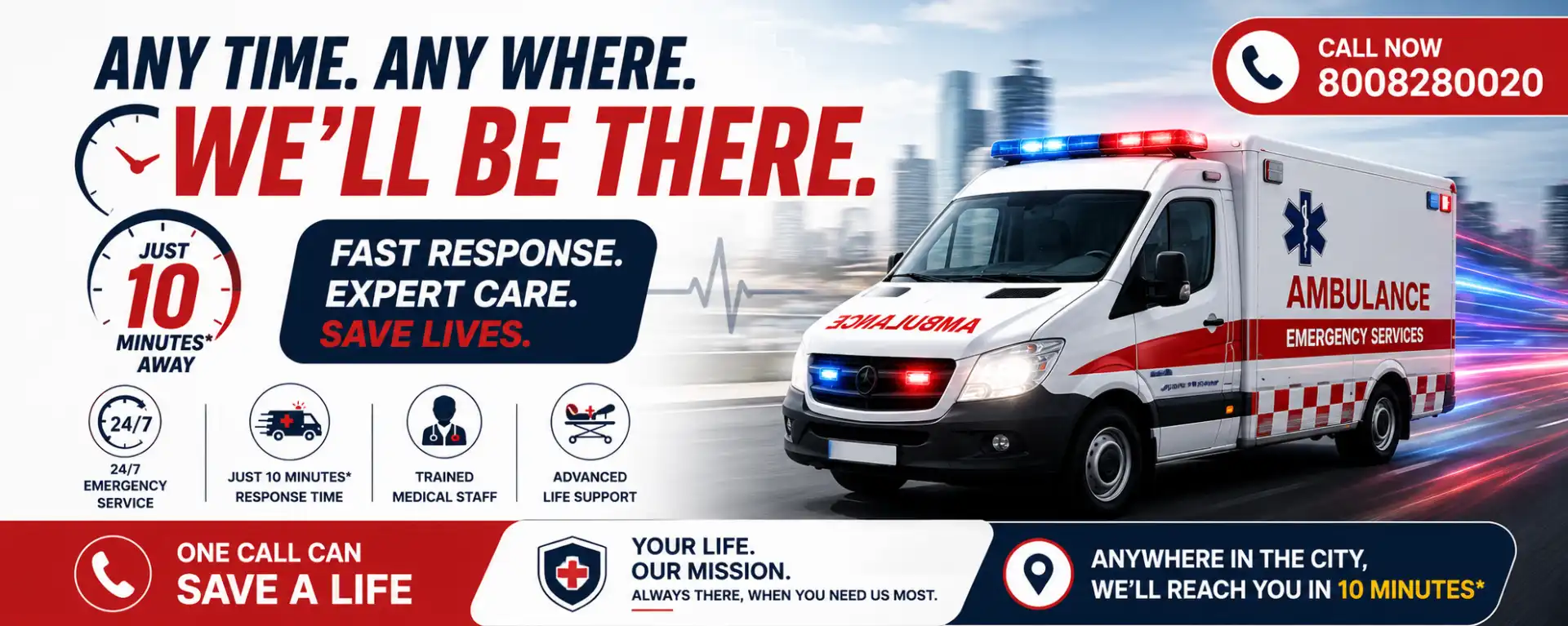
What Makes an Ambulance “Smart” in Today’s Healthcare?
Smart ambulances combine technology, connectivity, and real-time data management to improve patient outcomes, enhance coordination, and optimize emergency response. GoAid integrates these features for advanced EMS services.
1. Real-Time Patient Monitoring
Smart ambulances use connected medical devices to continuously track vital signs. This enables paramedics and remote doctors to respond immediately to any critical changes.
2. Telemedicine Integration
Paramedics can consult doctors via video or data links. This receives guidance for treatment decisions while en route to hospitals. This improves emergency care accuracy.
3. GPS and Route Optimization
Smart systems track location and traffic in real-time. This allows ambulances to reach patients faster and reduce delays in critical situations.
4. Digital Health Records Access
Connected systems allow instant access to patient history, allergies, and previous treatments. This ensures informed medical decisions during emergency care.
5. Advanced Communication Tools
Integrated radios, messaging apps, and digital dashboards facilitate coordination between paramedics, hospitals, and emergency call centers.
6. IoT-Enabled Equipment
Smart ambulances use Internet of Things (IoT) devices for monitoring ventilators, oxygen levels, and other critical equipment. This ensures proper function and patient safety.
7. Automated Alerts and Notifications
Ambulance systems send real-time updates to hospitals, families, and EMS networks. This ensures timely preparation and faster intervention upon arrival.
8. Enhanced Safety Features
Smart ambulances are equipped with sensors, collision avoidance systems, and automatic alerts to enhance the safety of patients and paramedics during transport.
9. AI-Based Predictive Support
Artificial intelligence analyzes patient data to predict deterioration risks, guiding paramedics on prioritization and treatment during emergencies.
10. Data Analytics for EMS Improvement
Collected digital data helps hospitals and EMS providers optimize future response strategies, identify trends, and improve emergency healthcare services nationwide.
How Connected Ambulance Systems Improve Patient Outcomes?
Connected ambulance systems significantly improve patient outcomes by integrating real-time monitoring, communication, and data-sharing capabilities. Paramedics can transmit vital signs, ECG readings, and patient history directly to hospital teams before arrival.
This allows doctors to prepare emergency rooms, prioritize cases, and administer life-saving interventions immediately. GPS tracking ensures rapid navigation. This reduces delays and optimizing response time. Integrated alerts and predictive analytics help paramedics anticipate complications.
This improves decision-making en route. By streamlining coordination between emergency teams, hospitals, and families, connected ambulance systems minimize treatment delays, reduce risks during transport, and enhance overall patient safety. This leads to better recovery rates and clinical outcomes.
Why GoAid Is Adopting Smart Emergency Care Technologies?
GoAid Ambulance Service is adopting smart emergency care technologies to modernize India’s EMS landscape, improve response efficiency, and provide higher-quality patient care. These advancements include real-time patient monitoring, telemedicine integration, GPS-enabled navigation, and connected communication systems.
By leveraging digital EMS tools, GoAid ensures paramedics receive expert guidance during transit, while hospitals are prepared for incoming patients. Smart features also enhance safety, reduce response times, and enable data-driven decision-making.
IoT-enabled equipment and AI analytics allow proactive management of emergencies, predicting risks and supporting critical interventions. Adopting these technologies reflects GoAid’s commitment to innovation, patient safety, and delivering professional, tech-enabled emergency healthcare across India.
How Telemedicine in Ambulances Helps Doctors Guide Treatment?
Telemedicine in ambulances allows doctors to remotely guide paramedics and make informed treatment decisions during patient transport. This enhances emergency care quality and reducing complications.
1. Real-Time Vitals Monitoring
Doctors can access continuous data on heart rate, oxygen levels, blood pressure, and other critical metrics. This allows immediate guidance on interventions during transit.
2. Remote Diagnosis Support
Paramedics can share patient symptoms and preliminary tests via video or digital links. This enables doctors to confirm diagnoses and advise timely treatment.
3. Pre-Hospital Medication Guidance
Remote physicians can instruct paramedics on administering medications safely en route. This ensures appropriate dosing and preventing adverse reactions.
4. ECG and Imaging Consultation
Smart ambulances transmit ECG readings or imaging data to doctors. This allows accurate evaluation and early decisions for critical cardiac or trauma cases.
5. Emergency Procedure Assistance
Doctors guide paramedics through complex emergency procedures, such as airway management or IV insertion. This ensures safe and effective interventions outside hospital settings.
6. Improved Communication with Hospitals
Telemedicine facilitates uninterrupted coordination between ambulance teams and hospital staff. This allows preparation for immediate care upon patient arrival.
7. Enhanced Patient Safety
By receiving real-time guidance, paramedics can act promptly. This reduces complications. This maintains stability, and improving overall survival chances during emergency transport.
What Role Does Real-Time Patient Monitoring Play?
Real-time patient monitoring in ambulances provides continuous tracking of vital signs. This enables early detection of complications, timely interventions, and improved emergency outcomes for patients during transit.
1. Continuous Vital Sign Tracking
Monitoring heart rate, oxygen levels, blood pressure, and respiratory rate allows paramedics and doctors to detect abnormalities immediately and take prompt action.
2. Early Detection of Emergencies
Real-time alerts help identify sudden deteriorations in patient condition. This enables faster interventions that can prevent severe complications or cardiac arrests.
3. Remote Physician Support
Data is transmitted to hospital teams or doctors remotely. This allows them to guide paramedics with timely treatment decisions during transport.
4. Improved Decision-Making
Continuous data insights help paramedics prioritize interventions and adjust care protocols based on changing patient conditions en route.
5. Optimized Medication Administration
Doctors can recommend precise medication or oxygen adjustments based on live monitoring. This ensures accurate, safe, and effective treatment.
6. Predictive Analysis of Risks
Advanced monitoring systems analyze trends in vital signs, predicting potential emergencies before they occur for proactive management.
7. Enhanced Patient Safety
Early detection and intervention reduce the risk of deterioration. This provides safer transport and better clinical outcomes for patients.
8. Uninterrupted Hospital Preparation
Hospitals receive live updates. This allows teams to prepare for procedures, equipment, or ICU readiness in advance of patient arrival.
9. Efficient Resource Utilization
Monitoring ensures that necessary interventions are administered promptly. This reduces unnecessary procedures and optimizing EMS resource allocation.
10. Documentation and Record Keeping
Real-time data collection creates accurate medical records for post-transport evaluation, continuity of care, and legal documentation.
How Digital Tools Speed Up Emergency Coordination?
Digital tools enhance communication, streamline operations, and reduce response times. This ensures that emergency medical services operate efficiently and patients receive timely care.
1. GPS and Route Optimization
Real-time navigation helps ambulances avoid traffic. This reduces travel time and enabling rapid arrival at the patient location or hospital.
2. Digital Dispatch Systems
Centralized EMS platforms instantly assign available ambulances to emergencies, eliminating delays caused by manual coordination.
3. Mobile Apps for Paramedics
Paramedics receive real-time instructions, incident updates, and hospital information via digital apps. This improves response accuracy and speed.
4. Automated Alerts and Notifications
Systems send instant alerts to hospitals, emergency teams, and families. This ensures everyone is prepared and informed simultaneously.
5. Telemedicine Communication
Doctors guide paramedics remotely using video calls or data links. This enables immediate treatment decisions during transit.
6. Integrated Patient Records
Digital access to prior medical history allows informed treatment. This reduces diagnostic delays and enhancing care during emergencies.
7. Resource Tracking
Digital systems monitor ambulance availability, medical equipment, and staff allocation. This ensures optimal utilization and faster emergency response.
8. Coordinated Multi-Team Operations
EMS teams, hospitals, and emergency responders communicate uninterruptedly through connected platforms, streamlining collaboration during complex emergencies.
9. Incident Data Analytics
Digital tools analyze response times, outcomes, and trends. This allows EMS services to improve future coordination and decision-making.
10. Enhanced Accountability and Reporting
Automated logging of ambulance movements, treatment provided, and communication ensures transparency, compliance, and effective post-incident evaluation.
Why Smart Ambulances Are the Future of EMS in India?
Smart ambulances represent the next generation of emergency medical services in India, combining technology, connectivity, and advanced equipment. They enable real-time patient monitoring, telemedicine consultations, and rapid coordination with hospitals. By reducing response times.
This enhances decision-making, and ensuring accurate treatment during transport, these ambulances improve patient safety and outcomes. Digital systems track location, optimize routes, and allow pre-hospital preparation. This ensures uninterrupted transitions from scene to hospital.
IoT-enabled devices, AI-driven analytics, and advanced communication tools help paramedics deliver precise, informed care. GoAid’s adoption of smart ambulances demonstrates how technology is shaping the future of emergency medical care across India.
How Technology Helps Reduce Medical Errors During Transport?
Advanced EMS technology minimizes mistakes during patient transfer by providing real-time data, guided interventions, and automated monitoring. This ensures safer and more effective care.
1. Continuous Vital Monitoring
Digital monitors track heart rate, oxygen levels, and blood pressure in real-time, alerting paramedics to abnormalities and preventing delayed responses that could cause medical errors.
2. Remote Doctor Consultation
Telemedicine integration allows doctors to guide paramedics during emergencies. This ensures correct procedures, dosage, and interventions are applied safely en route.
3. Automated Alerts and Safety Checks
Smart ambulance systems generate instant warnings for equipment malfunctions, patient deterioration, or protocol deviations. This reduces human error during critical care.
4. Access to Patient Records
Digital access to prior medical history and allergies allows accurate treatment decisions, preventing mistakes due to missing or incorrect information.
5. Standardized Protocols via Technology
Integrated EMS software provides step-by-step guidance for common emergencies. This ensures paramedics follow consistent, evidence-based protocols. This minimizes errors during high-pressure situations.
What Innovations Are Enhancing Modern Emergency Care?
Technological innovations in EMS improve patient safety, response efficiency, and clinical outcomes, transforming traditional ambulance services into fully connected, intelligent emergency healthcare solutions.
1. Real-Time Patient Monitoring
IoT-enabled devices continuously track vital signs. This enables early detection of emergencies and immediate intervention during transport.
2. Telemedicine Support
Remote doctor consultations guide paramedics in administering treatment and making critical decisions during emergency transit.
3. GPS and Route Optimization
Smart navigation tools reduce travel time. This allows faster response and minimizing delays for critical patients.
4. AI-Powered Predictive Analytics
Artificial intelligence predicts potential complications, guiding paramedics on prioritization and preemptive interventions.
5. Connected Ambulance Systems
Digital integration between ambulances, hospitals, and EMS teams ensures uninterrupted communication and coordinated emergency response.
6. Automated Alerts and Notifications
Systems provide instant updates to hospitals, families, and emergency teams. This ensures timely preparation and intervention.
7. Smart Medical Equipment
Advanced devices like portable ventilators, digital ECG monitors, and IoT-enabled oxygen systems enhance care quality.
8. Data-Driven Decision Making
Collected patient and incident data improve EMS strategies, efficiency, and overall emergency management.
9. Enhanced Safety Features
Collision sensors, ergonomic designs, and smart cabin layouts protect both patients and paramedics during transport.
10. Remote Health Records Access
Paramedics access electronic medical records in real-time. This allows accurate, informed treatment based on patient history and allergies.
How Smart Features Improve Safety for Critical Patients?
Smart features in modern ambulances significantly enhance patient safety during critical emergencies. Real-time monitoring devices continuously track vital signs such as heart rate, oxygen saturation, and blood pressure.
This allows paramedics and remote doctors to detect early signs of deterioration. Telemedicine integration enables live consultations. This ensures correct interventions and immediate guidance for complex medical situations.
GPS-enabled navigation and route optimization reduce transit time. This minimizes delays in reaching hospitals. Advanced medical equipment. This includes IoT-enabled ventilators, digital ECG monitors, and automated drug dispensers, ensures precise and efficient care.
AI-powered predictive analytics anticipate potential complications. This helps paramedics prioritize treatment. Safety-enhanced cabin designs, collision sensors, and ergonomic layouts protect patients during transport. Digital communication tools ensure hospitals are fully prepared before arrival.
Together, these smart features reduce risks, prevent medical errors, and provide critical patients with safe, timely, and high-quality emergency care throughout their journey.
Conclusion
In conclusion, we have provided all the information about how smart ambulances are revolutionizing emergency medical care in India. From real-time monitoring and telemedicine support to connected ambulance systems, GoAid’s technology-enabled services improve patient safety, reduce response times, and ensure professional, high-quality emergency care.
Smart features enhance coordination between paramedics and hospitals, prevent medical errors, and enable timely interventions for critical patients. By adopting modern EMS innovations, GoAid is shaping the future of emergency care. This offers reliable, efficient, and safe ambulance services that enhance outcomes and provide peace of mind for patients and families across India.
FAQs
Q1: What is a smart ambulance?
A: A smart ambulance is equipped with advanced technology such as real-time monitoring, telemedicine, GPS, and connected systems. This enables paramedics to provide faster, safer, and more informed emergency care.
Q2: How do smart features improve patient safety?
A: Smart features like continuous vital monitoring, AI analytics, telemedicine support, and advanced equipment allow early intervention, reduce medical errors, and ensure critical patients receive timely and accurate treatment.
Q3: What role does telemedicine play in smart ambulances?
A: Telemedicine enables remote doctors to guide paramedics during emergencies, provide real-time treatment instructions, and make informed decisions. This ensures safer and more effective pre-hospital care.
Q4: How do connected ambulance systems benefit emergency response?
A: Connected systems integrate hospitals, EMS teams, and ambulances for uninterrupted communication, faster coordination, real-time patient data sharing, and efficient resource utilization during emergencies.
Q5: Why is GoAid adopting smart ambulance technology?
A: GoAid adopts smart ambulance technology to enhance patient safety, reduce response times, enable digital emergency care, improve monitoring, and provide high-quality, reliable, and tech-enabled emergency services nationwide.