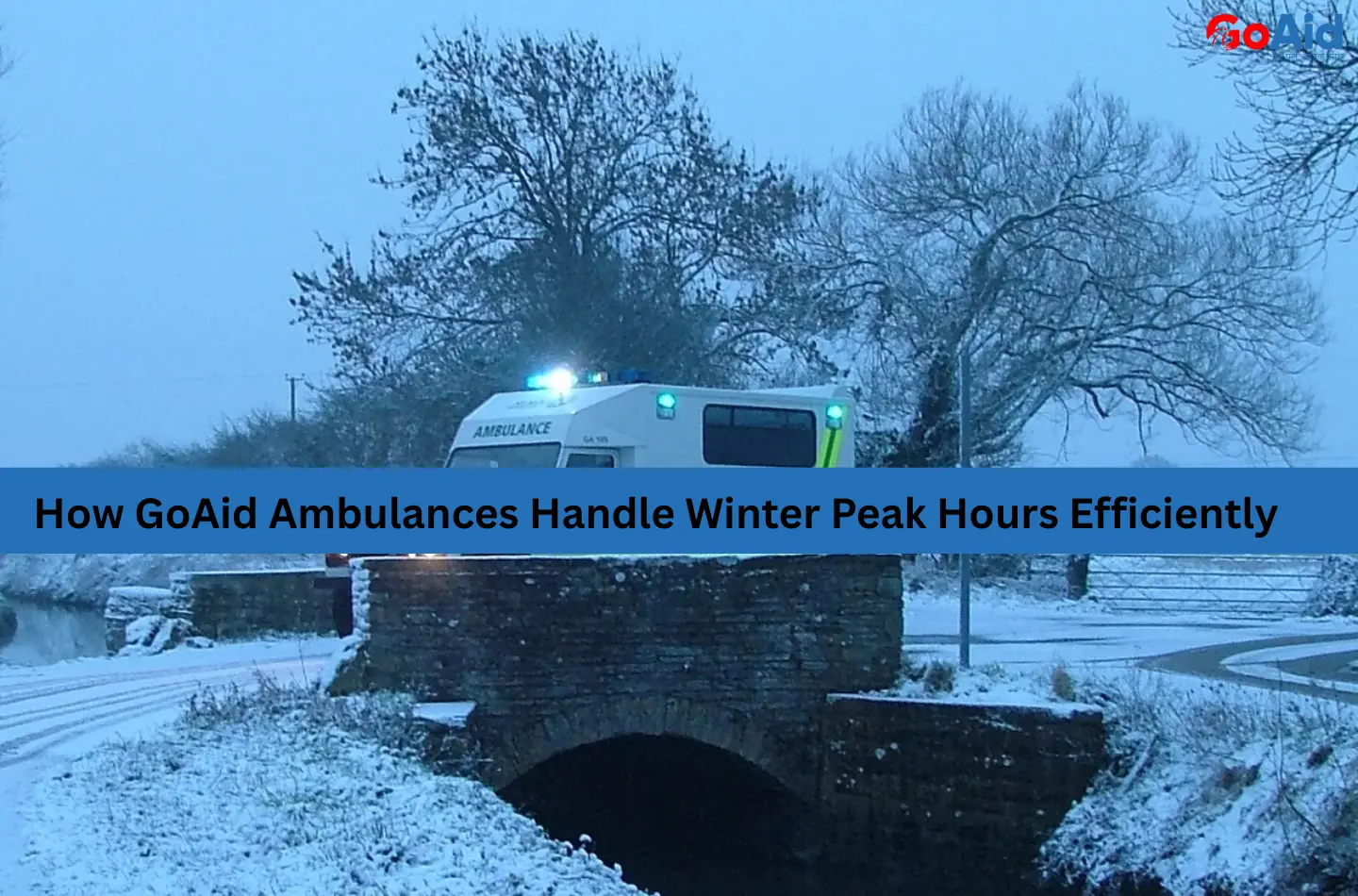

GoAid winter ambulance services are designed to handle high-demand periods efficiently, which ensures fast ambulance service even during extreme weather. Winter peak hour ambulance challenges can delay traditional emergency response, but GoAid emergency ambulance teams maintain 10 minute ambulance service with trained paramedics.
GoAid’s quick response winter operations ensure patients receive timely care during the emergency ambulance winter season with 24/7 ambulance availability and advanced GPS tracking. This helps to minimise delays and improve outcomes in peak traffic and adverse conditions.
Why Winter Peak Hours Increase Emergency Demand
In winter, colder temperatures, fog, and slippery roads contribute to a surge in ambulance calls. Winter ambulance demand rises as accidents, hypothermia, and heart-related emergencies increase. Peak hour ambulance efficiency becomes critical as emergency ambulance winter rush situations multiply across cities.
GoAid emergency response winter teams strategically deploy vehicles, ensuring fast ambulance service and 10-minute ambulance service despite higher traffic and challenging conditions. Seasonal illnesses, flu, and respiratory problems also increase hospital visits, which creates pressure on traditional services.
GoAid winter ambulance services maintain 24/7 ambulance coverage, advanced navigation systems, and trained paramedics to handle this high winter demand efficiently.
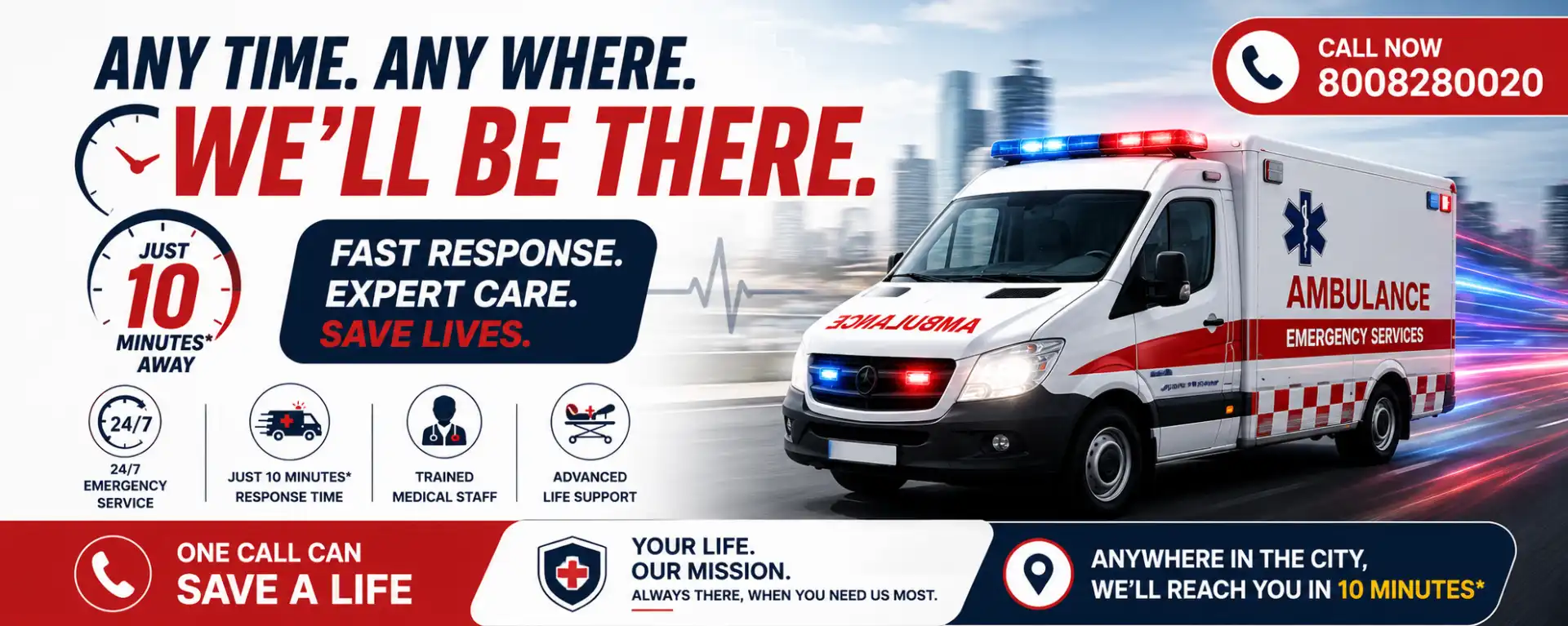
Common Winter Health Issues That Spike Ambulance Calls
Winter peak hour ambulance demand increases due to health complications caused by cold weather. GoAid winter ambulance services respond quickly to emergencies, which ensures fast ambulance service and 10-minute ambulance service during the winter season.
- Hypothermia: Extremely cold temperatures can lower body heat rapidly, increasing winter ambulance demand. GoAid emergency ambulance winter teams provide timely care to prevent serious complications.
- Frostbite: Exposure to freezing temperatures can damage skin and tissues, requiring fast ambulance service and GoAid’s quick response winter support.
- Respiratory Infections: Winter air promotes flu and pneumonia, leading to higher winter peak hour ambulance calls that GoAid winter ambulance services address efficiently.
- Heart-Related Emergencies: Cold weather increases cardiac risks, and GoAid emergency ambulance winter operations ensure 24/7 ambulance availability for immediate care.
- Slips and Falls: Icy roads and sidewalks increase accidents, demanding fast ambulance service and winter ambulance demand management by GoAid.
- Asthma Flare-Ups: Cold, dry air triggers respiratory issues, increasing the emergency ambulance winter rush that GoAid emergency response winter teams handle promptly.
- Chronic Illness Complications: Conditions like diabetes or hypertension worsen in winter, prompting peak hour ambulance efficiency measures and 10-minute ambulance service by GoAid teams.
Challenges Faced by Ambulance Services During Peak Winter Hours
Winter peak hour ambulance demand creates multiple challenges for emergency services. Low temperatures, fog, and increased traffic contribute to low visibility ambulance delay, which requires GoAid winter ambulance services to ensure fast ambulance service.
- Traffic Congestion: Peak hour winter traffic slows ambulance response winter season, but GoAid quick response winter strategies help maintain fast ambulance service.
- Poor Road Conditions: Icy and slippery roads increase winter ambulance demand, delaying emergency ambulance winter rush and requiring careful driving.
- High Call Volumes: Increased accidents and health emergencies cause winter peak hour ambulance pressure, making GoAid emergency ambulance winter teams essential.
- Fog and Low Visibility: Reduced visibility contributes to low visibility ambulance delay, mitigated by GoAid winter ambulance services.
- Limited Parking Near Patients: Reaching patients in congested areas can slow ambulance response in winter, requiring GoAid quick response winter planning.
- Equipment Readiness: Ambulances must be fully equipped for winter emergencies to avoid delays in fast ambulance service.
- Patient Location Challenges: Identifying patients in poor visibility or snow-covered areas adds to winter peak hour ambulance difficulty, handled efficiently by GoAid emergency response winter teams.
How GoAid Prepares for High-Demand Winter Seasons?
GoAid winter ambulance services plan proactively for peak winter hours, ensuring fast ambulance service and 10-minute ambulance service during emergencies. GoAid emergency ambulance winter teams analyze historical call patterns to allocate ambulances strategically across cities with the highest winter ambulance demand.
Advanced GPS systems and route optimization help reduce low visibility ambulance delay during traffic or fog conditions. Trained paramedics and drivers undergo winter-specific drills to handle cold-related medical emergencies efficiently.
GoAid maintains 24/7 ambulance availability and backup vehicles to meet peak hour ambulance efficiency requirements. Public awareness campaigns also ensure smooth cooperation during emergency ambulance winter rush, making GoAid quick response winter services reliable for all patients.
How GoAid Maintains Quick Response Times in Traffic & Fog?
In the winter season, maintaining ambulance response efficiency during traffic and fog is crucial. GoAid winter ambulance services implement measures to ensure fast ambulance service and 10 minute ambulance service even in adverse conditions.
- Advanced GPS Navigation: Real-time traffic updates reduce low visibility ambulance delay and enhance GoAid’s quick response winter efficiency.
- Dedicated Lanes Coordination: Coordination with traffic authorities ensures winter peak hour ambulance movement remains smooth.
- Trained Drivers: Drivers adapt speed and maneuver safely to minimize ambulance response winter season delays.
- Fog-Resistant Lights: Special lighting helps ambulance response in fog and low visibility situations.
- Alternate Route Planning: Backup routes reduce low visibility ambulance delay during peak winter hours.
- Communication Systems: Constant updates between paramedics and control centers optimize fast ambulance service.
- Backup Ambulances: Additional vehicles are deployed strategically to ensure winter ambulance demand is met promptly, which maintains GoAid emergency ambulance winter reliability.
Why GoAid Remains the Most Reliable Choice in Winter Peak Hours?
GoAid winter ambulance services are trusted for their fast ambulance service and 10-minute ambulance service during winter peak hours. GoAid quick response winter teams ensure ambulance response winter season efficiency even in challenging conditions.
- 24/7 Ambulance Availability: GoAid emergency ambulance winter teams operate round-the-clock, providing consistent winter peak hour ambulance support.
- Trained Paramedics and Drivers: Skilled staff reduce delays during winter emergency ambulance rush, ensuring fast ambulance service.
- Advanced Fleet Management: Vehicles are strategically allocated to meet winter ambulance demand and maintain peak hour ambulance efficiency.
- GPS and Navigation Systems: Real-time updates help minimise low visibility ambulance delay and enhance GoAid’s quick response winter performance.
- Safety Protocols: Strict protocols prevent accidents and ensure ambulance response winter season reliability.
- Backup Ambulances: Additional vehicles are ready to cover high-demand areas, supporting winter peak hour ambulance efficiency.
- Public Awareness and Coordination: GoAid educates communities to cooperate during winter emergencies, which ensures smooth ambulance response during winter season operations.
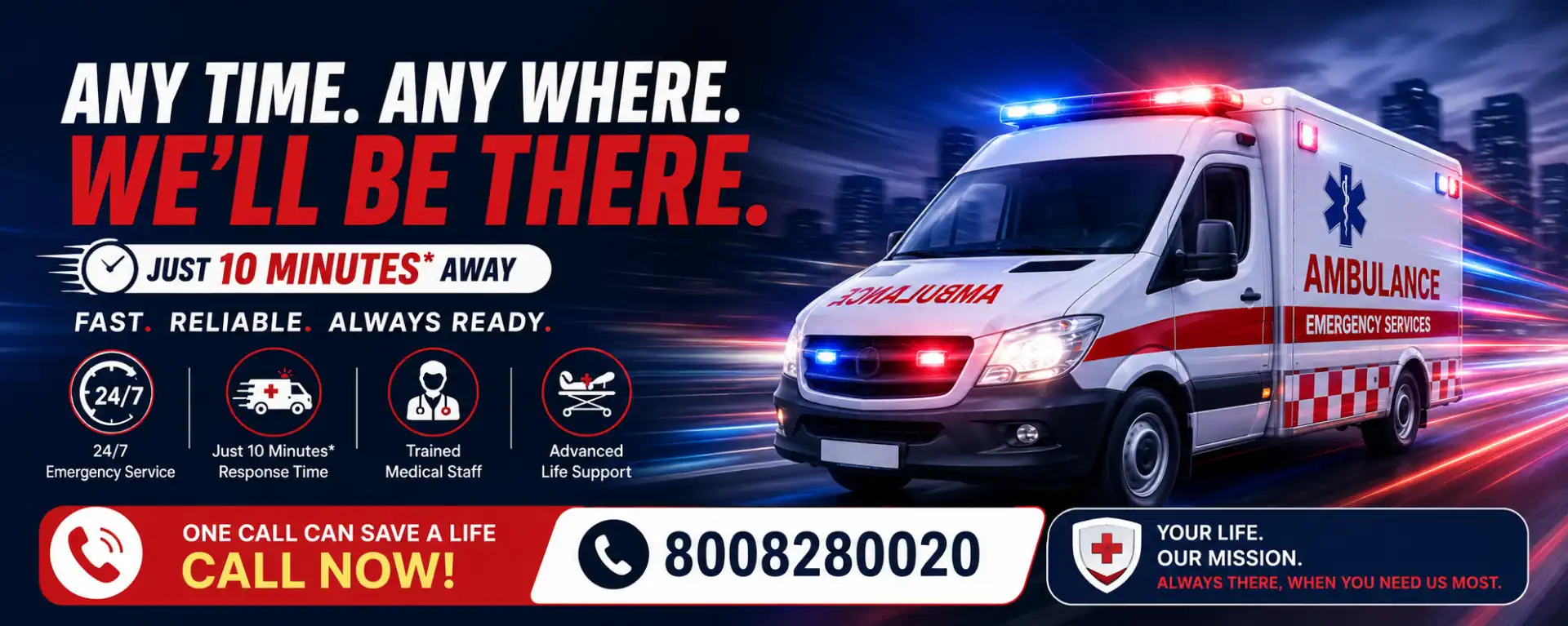
Conclusion to How GoAid Ambulances Handle Winter Peak Hours Efficiently
GoAid winter ambulance services combine trained paramedics, advanced GPS tracking, and 24/7 ambulance availability to maintain fast ambulance service. Winter peak-hour ambulance delays are minimised, ensuring efficient emergency ambulance winter season response. GoAid’s quick response winter teams provide reliable care even during high winter ambulance demand, making them the most trusted choice for timely, safe, and effective emergency services.
How to Book GoAid Ambulance Instantly?
The booking process of a GoAid ambulance is simple and fast, which guarantees 10 minute ambulance service. You can choose the mobile app, website, or helpline for quick GoAid emergency ambulance winter support.
Book GoAid Ambulance Through the Mobile App: Open the GoAid app, enter your location, select the ambulance type, and request fast ambulance service immediately.
Book GoAid by the Official Website: Visit www.goaid.in, fill in your details, and schedule emergency ambulance winter season support for quick response.
GoAid 24/7 Helpline for Emergency Ambulance Booking: Call 8008280020 anytime to request GoAid’s quick response winter services and ensure low visibility ambulance delay is minimised.
FAQs Related to How GoAid Ambulances Handle Winter Peak Hours Efficiently
Question-1: How does GoAid manage high winter peak hour ambulance demand?
Answer: GoAid winter ambulance services use strategic fleet allocation, advanced GPS, and trained paramedics to ensure fast ambulance service and 10-minute ambulance service during winter emergencies.
Question 2: Are GoAid ambulances available 24/7 during winter?
Answer: Yes, GoAid emergency ambulance winter teams operate 24/7, providing reliable winter peak hour ambulance support and maintaining quick response times even during extreme weather conditions.
Question-3: How does GoAid reduce delays in traffic and fog?
Answer: GoAid quick response winter teams use GPS navigation, alternate routes, fog-resistant lights, and experienced drivers to minimize low visibility ambulance delay during peak winter hours.
Question-4: Can I book a GoAid ambulance quickly during winter rush hours?
Answer: Yes, you can book fast ambulance service instantly via the GoAid mobile app, official website or 24/7 helpline at 8008280020.
Question-5: What types of emergencies do GoAid winter ambulances handle?
Answer: GoAid winter ambulance services respond to accidents, cardiac issues, respiratory problems, falls, and other winter-related emergencies, ensuring emergency ambulance winter season care efficiently.
Question-6: Why is GoAid considered reliable during winter peak hours?
Answer: GoAid emergency ambulance winter teams combine trained staff, advanced GPS, 24/7 ambulance coverage, and strategic planning to maintain fast ambulance service and peak hour ambulance efficiency.