

What to Do While Waiting for an Ambulance in an Emergency?
In a medical emergency, the minutes spent waiting for ambulance arrival are clinically critical. The actions taken during this period can stabilize the patient or worsen the situation. Knowing exactly what to do ensures patient safety during emergency conditions and supports better medical outcomes.
This is why, in this blog, we have provided you all the details about:
- Immediate safety steps
- Basic first aid actions
- Patient positioning methods
- Common mistakes to avoid
- Preparing for ambulance arrival
Do you want to know all this information in detail? Then read this blog to the end.
Know More: Ambulance service in India
So, let’s start–
Why the Waiting Time Is Critical in an Emergency?
During an emergency medical situation, the period of waiting for ambulance support can determine patient stability. The body’s condition can improve or deteriorate rapidly within minutes, and immediate attention during this time is medically significant because it affects:
- Oxygen supply stability
- Heart function control
- Bleeding management
- Brain protection
- Shock prevention
- Pain control
- Complication reduction
Proper actions during this phase directly influence survival chances. Calm, informed response protects the patient until professional care arrives.
Immediate Steps to Take While Waiting for an Ambulance
Stay Calm and Call for Help Around You
Panic reduces clarity and delays proper action. Staying calm allows you to think logically and coordinate support effectively while waiting for ambulance assistance. Immediately involve people nearby to strengthen response efforts:
- Alert family members
- Call emergency contacts
- Inform building security
- Request neighbor assistance
- Assign clear responsibilities
Controlled action prevents chaos and improves patient safety.
Check the Patient’s Breathing and Consciousness
Continuous observation is essential in any emergency medical situation. Monitoring breathing and responsiveness helps detect deterioration early while waiting for ambulance arrival. Carefully assess the patient’s condition by:
- Checking chest movement
- Listening for breathing sounds
- Feeling pulse rate
- Calling patient’s name
- Observing eye response
Early identification of changes allows timely intervention.
Provide Basic First Aid If You Know It
If you are trained in first aid, immediate action can stabilize the patient before professional help arrives. Apply only appropriate measures based on the condition, ensuring patient safety during emergency care:
- Control visible bleeding
- Start CPR if needed
- Elevate injured limb
- Loosen tight clothing
- Support injured area
Correct first aid reduces risk of complications.
Keep the Patient Comfortable and Still
Unnecessary movement can worsen internal injuries or shock. Maintain a stable position and ensure physical comfort while waiting for ambulance support to reach the location:
- Lay patient flat
- Elevate legs if required
- Keep warm with blanket
- Avoid sudden movement
- Provide reassurance
Stability during waiting time protects vital functions.
Avoid Giving Food or Water
During emergencies, giving food or water can create serious complications, especially if surgery or airway management becomes necessary. For safety reasons, strictly avoid the following:
- Offering water
- Giving solid food
- Providing medication without advice
- Forcing oral intake
- Ignoring swallowing difficulty
Medical professionals will assess nutritional or fluid needs upon arrival.
How to Prepare for the Ambulance Arrival
Keep Important Medical Information Ready
Before the ambulance arrives, gather essential medical details to avoid delays in treatment. Keep prescriptions, reports, allergy history, ongoing medications, and identification documents ready so paramedics can immediately understand the patient’s condition and begin appropriate care.
Clear the Path for Easy Access
Ensure there is no obstruction between the entrance and the patient’s location. Remove furniture, unlock gates, arrange elevator access, and manage crowd movement so the medical team can enter and exit quickly without wasting critical time.
Assign Someone to Guide the Ambulance
Designate one responsible person to communicate with the ambulance team. They should answer calls, share live location if required, wait at the entrance, and guide paramedics directly to the patient without confusion or delay.
Response Time & Safety Considerations
Ambulance response time directly influences survival in critical conditions. While waiting for ambulance support, safety measures and preparedness determine how effectively the medical team can intervene upon arrival. Careful attention to the following considerations is essential:
- Estimated arrival time confirmation
- Accurate location sharing
- GPS tracking availability
- Traffic accessibility planning
- Building entry readiness
- Patient monitoring continuity
- Emergency contact availability
- Crowd control management
Prepared coordination reduces avoidable delays and risk.
Common Mistakes People Make While Waiting
Small errors can worsen the situation. While waiting for ambulance arrival, people often make these mistakes:
- Panicking unnecessarily
- Leaving patient unattended
- Giving food or water
- Moving injured patient
- Ignoring breathing changes
- Delaying second emergency call
- Blocking ambulance access
- Sharing wrong location
- Overcrowding around patient
- Administering unverified medication
Avoiding these mistakes protects the patient until professionals arrive.
How GoAid Supports you During Emergencies
During emergencies, structured coordination and rapid dispatch are critical for patient safety. GoAid ensures organized emergency response through:
- 24/7 availability
- Quick dispatch system
- Trained paramedic team
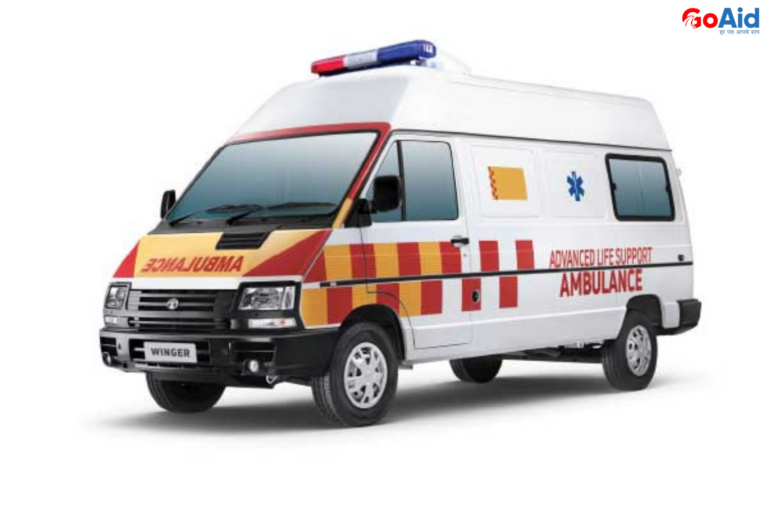
- Advanced ambulance fleet
- Real-time coordination support
The focus remains on stabilizing patients and reducing risk during transport. This commitment is strengthened by:
- Standardized safety protocols
- Transparent communication
- Continuous medical supervision
Timely and disciplined response ensures safer emergency handling.
Book Now: ICU Ambulance Service
How to Book an Ambulance Quickly and Correctly
Act quickly, but follow structured steps.
- Assess the patient’s condition briefly.
- Choose the appropriate ambulance type.
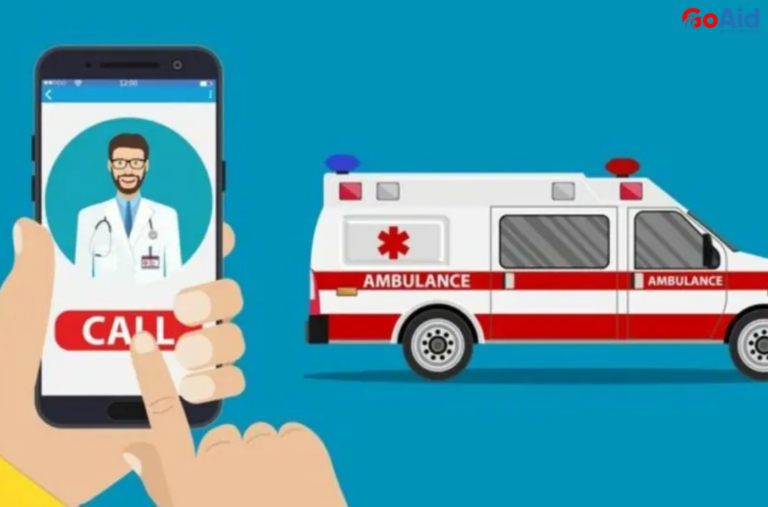
- Call GoAid’s hotline 8008280020 immediately.
- Share exact location and medical details clearly.
- Confirm response time and estimated charges.
Clear communication ensures faster and safer emergency response.
Read more : Guidelines for First Aid and Emergency Care in India
Frequently Asked Questions (FAQs)
Q1: How long does an ambulance usually take to arrive?
A: In urban areas, ambulance response time typically ranges between 10 to 20 minutes depending on traffic and distance.
Q2: Should I move the patient while waiting?
A: Avoid moving the patient unless there is immediate danger, as unnecessary movement may worsen injuries or internal complications.
Q3: What if the patient becomes unconscious?
A: Check breathing and pulse immediately, place the patient in recovery position, and begin CPR if there is no breathing.
Q4: Can I cancel an ambulance if the condition improves?
A: Yes, but confirm medical stability carefully and inform the ambulance provider immediately to avoid unnecessary dispatch.
Q5: What information should I give the ambulance operator?
A: Provide exact location, patient’s condition, age, symptoms, medical history, and any ongoing first aid being administered.
Conclusion
In conclusion, we have provided you with details about what to do while waiting for ambulance support, immediate safety steps, common mistakes to avoid, and proper preparation for arrival.
For reliable and structured emergency assistance at any time, you can contact GoAid and ensure timely medical response when it matters most.