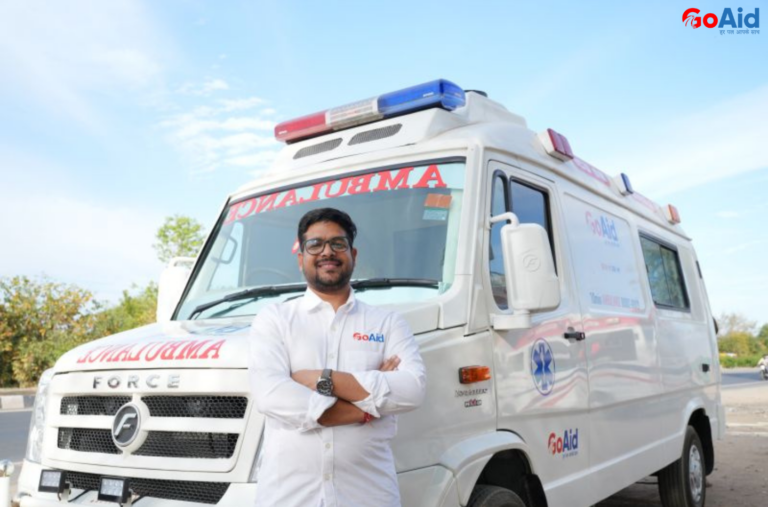
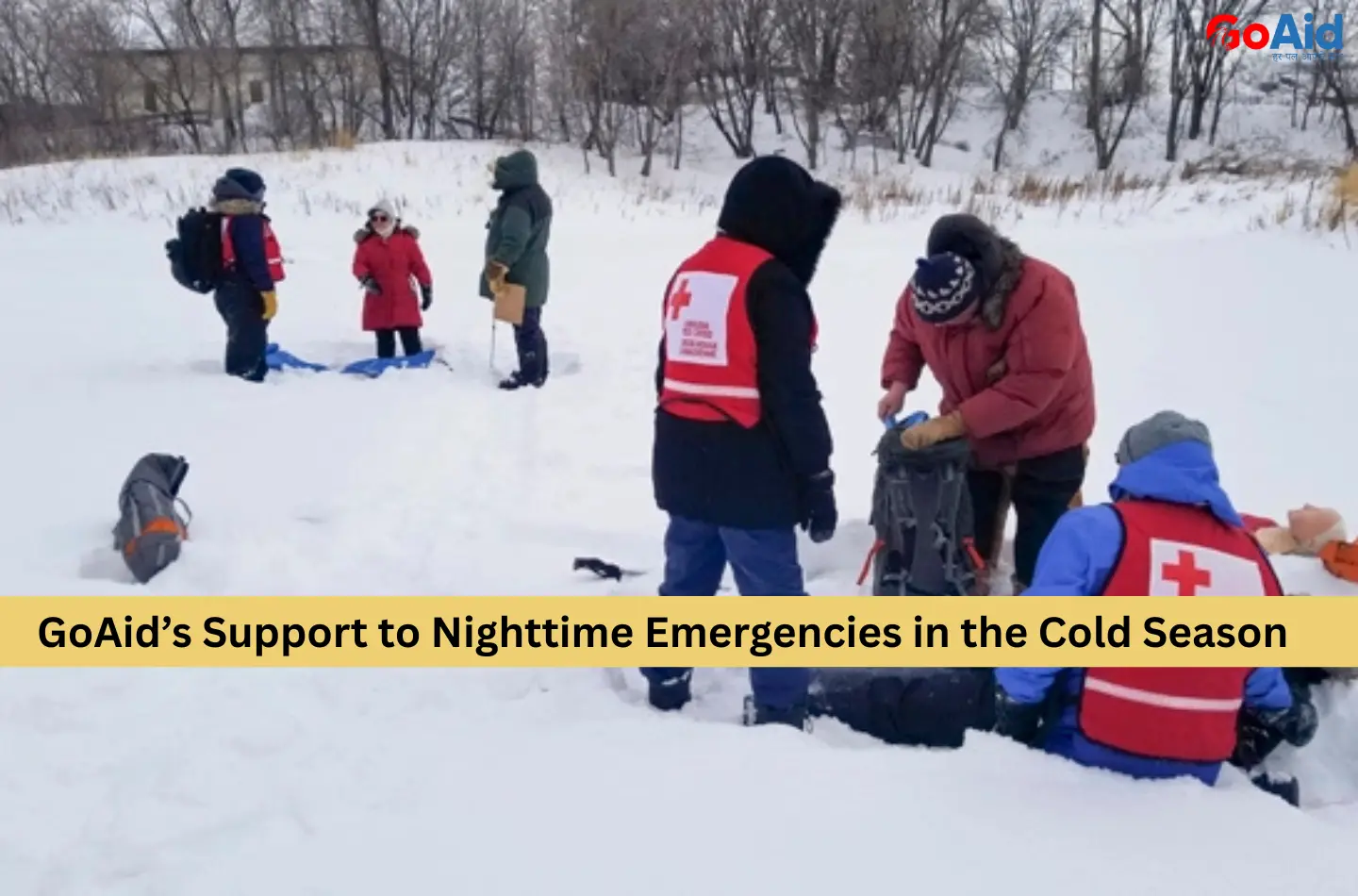

GoAid Ambulance Service plays a crucial role in managing cold weather nighttime emergencies. This ambulance service offers fast and reliable care when winter conditions worsen health risks. GoAid ensures timely medical help during harsh temperatures with expert teams and a strong focus on cold season emergency care. Their dedicated GoAid night ambulance service provides essential winter support, which helps patients stay safe during sudden night-time medical emergencies.
Why Cold Weather Increases Medical Risks at Night?
Cold weather significantly increases medical risks at night because the body’s temperature naturally drops after sunset, making people more vulnerable to health complications. During winters, conditions like hypothermia, frostbite, heart attacks, asthma attacks, and respiratory issues rise sharply. The sudden temperature dip also worsens joint pain, low immunity, and flu-like symptoms.
Nighttime colds become especially dangerous for elderly individuals, infants, and patients with chronic illnesses. This is why cold weather nighttime emergencies require immediate medical attention. With GoAid’s night ambulance service, patients receive quick, expert support to manage winter-related medical emergencies safely and efficiently.
Common Winter Emergencies That Require Immediate Help
Winter often triggers sudden health issues due to low temperatures & weak immunity, and also due to nighttime stress. These emergencies can turn serious quickly and need fast medical attention.
- Hypothermia: A sharp drop in body temperature caused by extreme cold. It leads to confusion, shivering, and slow breathing. Immediate medical intervention is necessary to avoid life-threatening complications.
- Frostbite: Freezing temperatures damage the skin and tissues of fingers, toes, and ears. Quick treatment is essential to prevent permanent tissue damage or severe infection.
- Heart Attack: Cold weather tightens blood vessels and increases blood pressure. This puts extra strain on the heart, making immediate medical support crucial when symptoms appear.
- Asthma Attack: Cold, dry air irritates the airways, causing wheezing, coughing, and breathlessness. Severe attacks need urgent medical assistance, especially in children and chronic patients.
- Respiratory Infections: Flu, pneumonia, and viral infections spread rapidly in winter. Breathing issues, fever, or chest discomfort require immediate diagnosis and treatment.
- Stroke: Low temperatures may raise blood pressure, increasing stroke risk. Sudden numbness, slurred speech, or severe headache demands rapid emergency care.
- Severe Joint Pain: Winter worsens arthritis and stiffness. When pain becomes unbearable or movement is restricted, medical help is essential, especially for seniors.
Why GoAid Is the Most Reliable Night Ambulance Service in Winter?
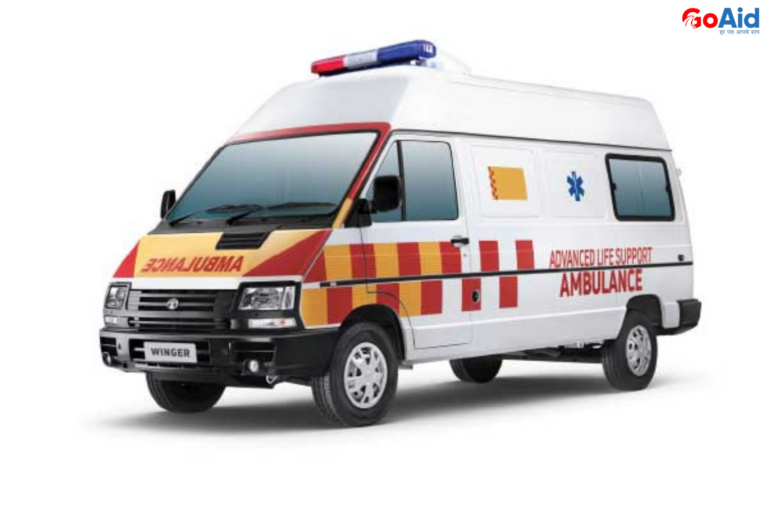
GoAid Ambulance Service is trusted for handling cold weather nighttime emergencies with unmatched speed and reliability. During winter, when health risks rise sharply, GoAid ensures night-time medical emergency support with its 10-minute Ambulance Service. Their Winter Emergency Ambulance fleet is equipped to handle hypothermia, frostbite, breathing issues, and cardiac events.
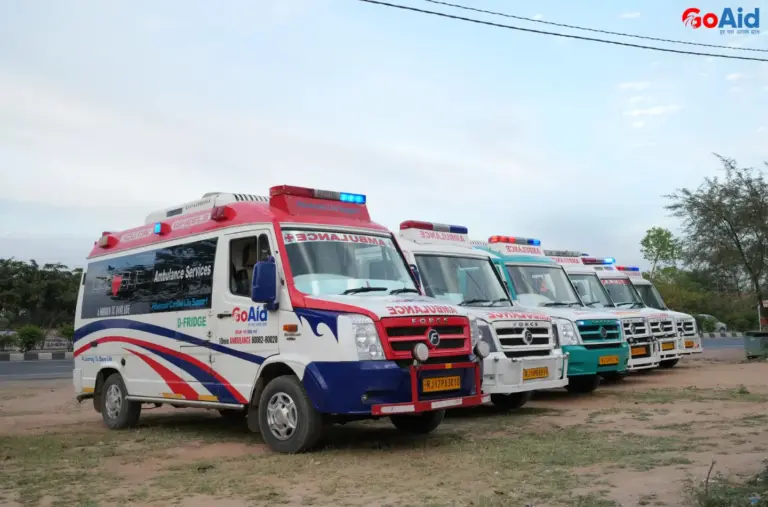
GoAid delivers quick help even during harsh weather or winter storms with 24/7 ambulance service. GoAid’s skilled paramedics, advanced equipment, and a diverse fleet make them the best ambulance service for urgent winter needs. Their commitment to cold season emergency care ensures patients receive fast, safe, and expert attention during even the toughest winter nights.
How GoAid Ensures Rapid Response During Night Hours?
GoAid maintains fast response times during winter nights by combining smart technology, trained teams, and a strong emergency network. These systems ensure help reaches patients quickly, even in extreme cold or low-visibility conditions.
- GPS-Enabled Routing: Advanced GPS identifies the fastest and safest routes, reducing delays during winter nights. It helps drivers avoid traffic, fog, and blocked roads.
- 10-Minute Dispatch System: GoAid’s rapid dispatch process alerts the nearest ambulance instantly, ensuring patients receive quick care even during cold-weather emergencies.
- Trained Night Paramedics: Highly experienced paramedics specialise in winter cases, ensuring accurate treatment during cold-weather nighttime emergencies.
- All-Weather Fleet: Winter-ready ambulances handle icy roads and fog, ensuring smooth movement during nighttime medical emergencies.
- 24/7 Command Centre: A dedicated control room tracks all vehicles and coordinates emergency requests instantly to reduce wait times.
- Multiple Booking Options: Patients can quickly request emergency support through the GoAid App, website, or by calling the 24/7 helpline 8008280020, ensuring fast help during winter night emergencies.
- Strategic City Coverage: GoAid positions ambulances across key winter-prone zones, ensuring faster arrival even in harsh weather.
Advanced Equipment GoAid Uses for Winter Night Emergencies
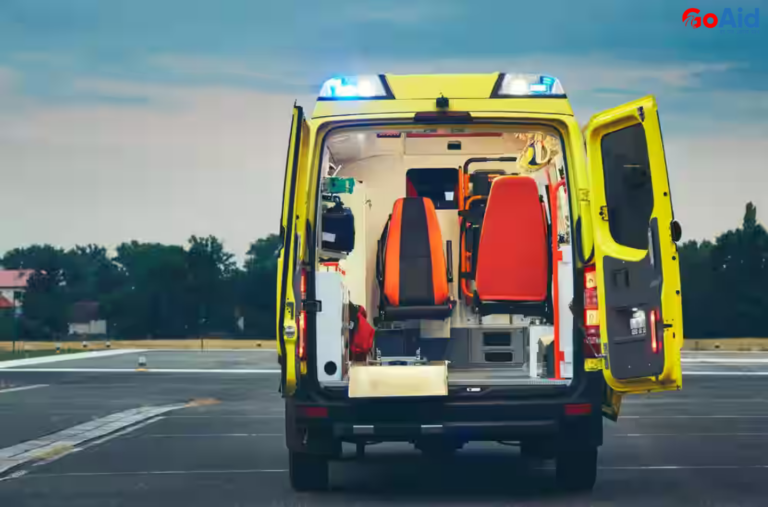
Cold nights increase the risk of severe medical issues, which makes fast and well-equipped emergency support essential. GoAid’s Winter Emergency Ambulance is prepared with advanced tools that ensure safe care even in low-temperature conditions.
- Portable Ventilators: Provide warm and stable airflow for patients facing breathing difficulties during cold weather emergencies or winter respiratory issues.
- Cardiac Monitors: Help paramedics track heart activity in real time, crucial for cold-induced cardiac stress or hypothermia-related complications.
- External Defibrillators: Deliver life-saving shocks immediately for winter cardiac arrests triggered by extreme cold or underlying medical conditions.
- Thermal Blankets: Protect patients from heat loss and stabilise their body temperature until hospital admission during winter night emergencies.
- Suction Machines: Clear blocked airways quickly, essential during cold-season respiratory distress or winter infections causing breathing issues.
- Warm IV Fluids: Prevent further temperature drop in hypothermia patients by maintaining stable internal warmth during critical nighttime care.
How GoAid’s GPS-Enabled System Reduces Nighttime Delays?
Winter nights often slow down emergency responses due to fog and low visibility. GoAid’s GPS-enabled technology helps overcome these challenges by ensuring faster, smarter, and more accurate ambulance routing.
- Real-Time Location Tracking: Allows the control room to monitor ambulances instantly and guide them through the quickest winter night routes.
- Optimised Route Planning: GPS selects the fastest road by avoiding traffic, foggy areas, and blocked paths, reducing nighttime delays.
- Nearest Ambulance Allocation: The system assigns the closest available ambulance to your location for instant winter emergency support.
- Live Communication Updates: Drivers and dispatch teams stay fully connected with real-time navigation during cold, low-visibility nights.
- Weather-Adaptive Mapping: GPS adjusts routes based on winter weather patterns like fog or icy roads to ensure safe and timely arrival.
- Accurate ETA Prediction: Patients receive precise arrival time updates, improving trust and reducing stress during night emergencies in winter.
Tips to Stay Safe During Cold Night Emergencies
Cold nights can quickly turn dangerous if health conditions worsen suddenly. If you follow simple precautions, then this can reduce risks and help you respond better during winter emergencies when temperatures drop sharply.
- Wear Layered Clothing: Dress in warm and layered outfits to prevent hypothermia and maintain a stable body temperature during unexpected winter night emergencies.
- Stay Indoors During Extreme Cold: Avoid going outside during freezing temperatures, especially at night, to reduce chances of frostbite, breathing issues, or sudden health complications.
- Keep Emergency Numbers Ready: Save the GoAid Ambulance helpline 8008280020 for instant winter emergency ambulance support when sudden medical issues arise.
- Avoid Alcohol in Cold Weather: Alcohol lowers body temperature and increases hypothermia risk, making winter night emergencies more severe and harder to manage.
- Use Room Heaters Safely: Maintain proper ventilation while using heaters to avoid suffocation or carbon monoxide-related medical emergencies during cold nights.
- Stay Hydrated: Drink warm fluids to keep your body functioning well, as dehydration during winter can worsen breathing issues and cold-season emergencies.
- Monitor Health Conditions: People with asthma, heart disease, or diabetes should regularly check symptoms since winter nights increase the risk of sudden medical emergencies.
Conclusion to GoAid’s Support to Nighttime Emergencies in the Cold Season
GoAid Ambulance Service delivers fast and dependable winter emergency ambulance support, offering 24/7 ambulance service with a 10-minute response time. GoAid ensures safe nighttime medical emergency support during cold weather nighttime emergencies with the best ambulance service and expert care.
FAQs Related to GoAid’s Support to Nighttime Emergencies in the Cold Season
Question-1: How does GoAid help during cold-weather nighttime emergencies?
Answer: GoAid offers 24/7 ambulance service, quick response, and expert care to manage cold-weather emergencies effectively, ensuring timely support during winter nights.
Question 2: Why are winter night emergencies more dangerous?
Answer: Winter nights worsen breathing issues, heart problems, and hypothermia, increasing the need for a fast and reliable emergency ambulance in winter.
Question-3: What makes GoAid the best ambulance service during winter?
Answer: GoAid provides a 10-minute ambulance service, trained paramedics, advanced equipment, and seamless winter season emergency care.
Question 4: Can GoAid handle severe cold-season medical conditions?
Answer: Yes, GoAid’s Winter Emergency Ambulance is equipped with ventilators, cardiac monitors, warm IV fluids, and expert teams for critical care.
Question 5: How does GoAid’s GPS system reduce nighttime delays?
Answer: GPS-enabled routing selects the fastest path, avoids traffic, and assigns the nearest ambulance for quick nighttime medical emergency responses.
Question-6: How can I book a GoAid Night Ambulance in winter?
Answer: You can book instantly through the GoAid App, website, or by calling the 24/7 helpline 8008280020 for fast winter emergency ambulance support.