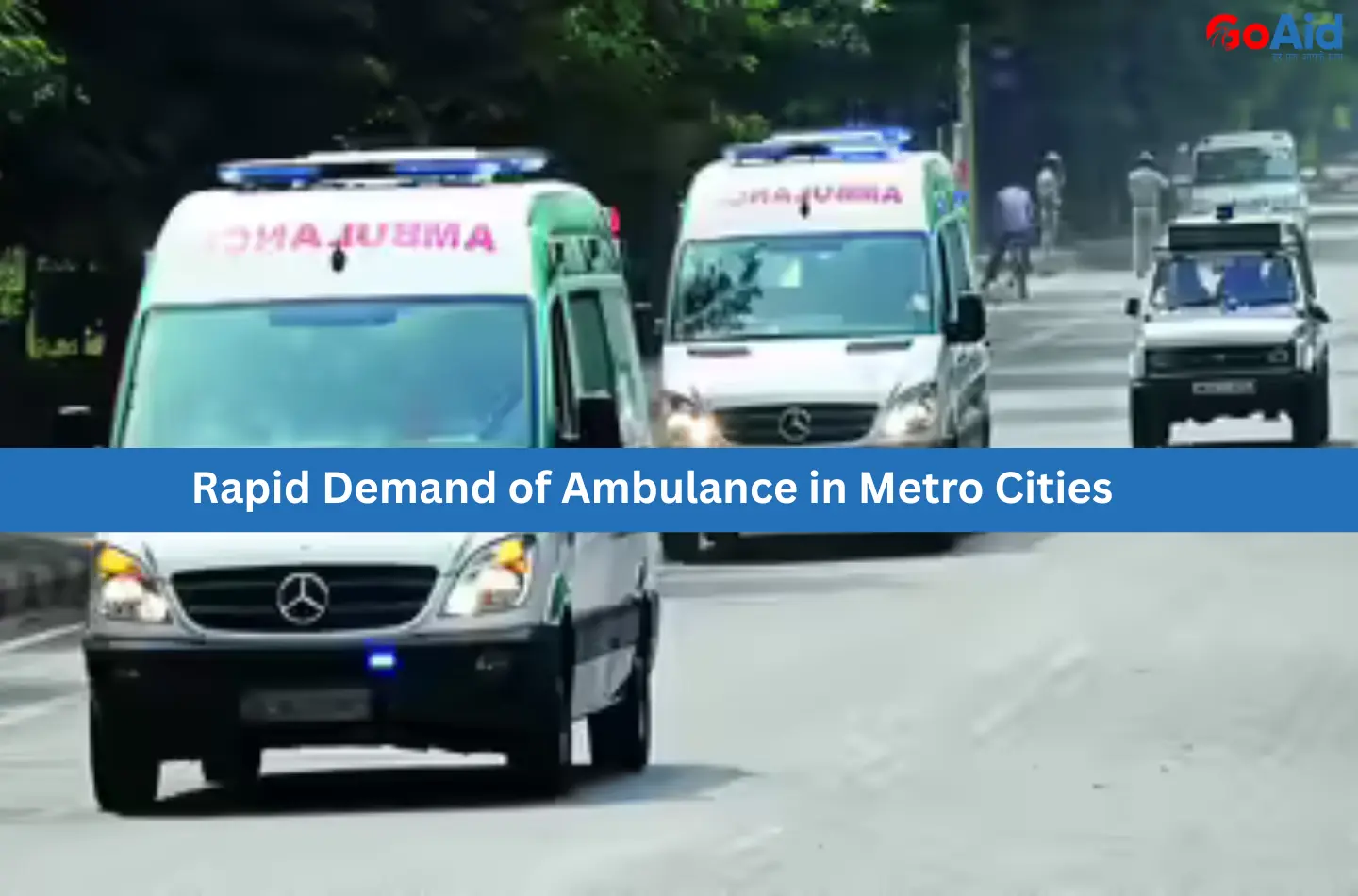

Metro cities like Delhi, Mumbai, and Bengaluru are witnessing a sharp rise in medical emergencies due to rapid urbanization, increasing population, and rising road accidents. This has led to a growing demand for reliable and fast ambulance services that can respond to emergencies anytime. This ensures timely medical care for those in need.
This is why, in this blog, we have provided you all the information about the topic. We have explained why ambulance demand is increasing in metro cities, the relationship between urbanization and health emergencies, the rise in road accidents, the role of ambulances in emergency healthcare, fast response times, 24/7 availability, and more. Are you willing to know all these information in detail? Then read our blog to the end.
So, let’s start-
Why there is a Huge Demand of the Best Medical Transportation Service in Metro Cities?
Metro cities face fast-paced lifestyles, rising health emergencies, pollution, and road congestion, creating a growing need for dependable medical transportation services.
1. Increasing Lifestyle Diseases
Modern city life has led to a rise in heart attacks, strokes, diabetes complications, and respiratory issues. These emergencies require fast, reliable ambulance services capable of reaching patients quickly despite traffic challenges.
2. High Population Density
Metro cities accommodate millions of people in compact areas. The higher the population, the greater the number of medical emergencies, increasing dependence on efficient medical transportation.
3. Traffic Congestion Delays Emergency Travel
Severe traffic in cities like Delhi, Mumbai, and Bengaluru prevents families from using private vehicles for emergencies. This makes professional ambulances a safer and faster option.
4. Rise in Pollution-Related Cases
High AQI levels lead to asthma attacks, COPD flare-ups, and respiratory distress, especially during winters. Oxygen ambulances are crucial in handling such city-specific emergencies.
5. Growing Elderly Population in Cities
More senior citizens now live alone or in apartments. This makes frequent medical visits necessary. Ambulance services provide safe transportation for dialysis, check-ups, and chronic condition management.
6. More Corporate Workspaces & Stress-Driven Illnesses
Corporate hubs in metros report increasing workplace collapses, cardiac issues, panic attacks, and injuries. On-site ambulances and rapid-response units are becoming essential.
7. Rising Public Events & Large Gatherings
Concerts, marathons, rallies, and festivals require standby ambulances due to crowd-related health incidents, increasing overall demand for reliable medical transportation.
Why are rapid urbanization and health emergencies related?
Rapid urbanization creates dense living environments, higher pollution levels, and increased stress, all contributing to more frequent medical emergencies. As people move to metro cities for work, healthcare systems experience greater pressure, leading to delays in treatment without reliable ambulance services.
Traffic congestion slows private travel. This makes emergency transportation even more critical. Urban lifestyles also increase risks of cardiac arrests, anxiety attacks, respiratory issues, and accidents.
Additionally, construction activities, industrial expansion, and overcrowded public spaces raise the chances of injuries and environmental health hazards. Together, these factors make urbanization directly linked to higher emergency healthcare needs.
Why there is a Rise in Road Accidents in Metro Cities?
Metro cities witness more road accidents due to overcrowded roads, high-speed driving, infrastructure gaps, and increased vehicle density every single year.
1. Overcrowded Roads
More vehicles than the roads can handle lead to chaos, mistakes, and frequent collisions. Overpopulation makes city traffic extremely unpredictable and accident-prone.
2. High-Speed Driving Culture
Many drivers accelerate aggressively on flyovers, expressways, and empty stretches. This causes severe crashes. Speeding remains one of the top causes of urban accidents.
3. Poor Road Discipline
Lane cutting, signal jumping, and lack of indicator use make city roads unsafe. Indiscipline significantly increases the risk of vehicle collisions.
4. Inadequate Infrastructure
Broken roads, potholes, narrow lanes, and poorly lit areas contribute to accidents, especially during late-night and early-morning hours.
5. Increasing Two-Wheeler Population
Two-wheelers dominate metro streets and are highly vulnerable in collisions due to little physical protection. This causes more injuries and fatalities.
6. Rise of Deliveries & Gig Workforce
Delivery executives rushing to meet deadlines often overspeed or take risky shortcuts, leading to a surge in accidents involving bikes.
7. Distracted Driving
Mobile phone use, navigation checking, and multitasking while driving lead to slower reaction times and sudden crashes in traffic-heavy metros.
8. Drunk and Late-Night Driving
Late-night travel, especially near pubs or event hubs, increases cases of drunk driving, contributing significantly to severe road accidents.
9. Limited Pedestrian Safety
Insufficient footpaths, poor zebra crossings, and reckless driving put pedestrians at higher risk of being hit by vehicles.
10. Heavy Commercial Vehicles on City Roads
Trucks, buses, and construction vehicles create blind spots and require longer braking distances. This makes collisions more likely in dense urban environments.
What is the role of ambulances in emergency healthcare?
Ambulances are crucial in emergencies. This provides rapid medical care, safe transport, and life-saving interventions for patients in critical conditions.
1. Rapid Medical Response
Ambulances ensure that trained paramedics reach patients quickly, reducing the time between the onset of emergency symptoms and the start of medical treatment, which is often critical for survival.
2. On-Site Medical Assistance
Equipped with essential medical tools, ambulances provide immediate care like oxygen therapy, CPR, or first aid, stabilizing patients before they reach the hospital.
3. Safe Transportation to Hospitals
Ambulances transport patients safely in controlled environments, minimizing risks compared to personal or public transport, especially for critical or immobile patients.
4. Specialized Ambulance Services
Services like ICU, BLS, ALS, and neonatal ambulances cater to specific needs. This ensures patients receive the right medical attention en route.
5. Handling Severe Cases
Accidents, cardiac arrests, or respiratory emergencies require immediate intervention. Ambulances deliver professional care promptly, improving patient outcomes significantly.
6. Oxygen and Ventilator Support
Patients experiencing breathlessness or respiratory distress receive oxygen or ventilator support during transport, stabilizing them before hospital admission.
7. Expert Paramedic Assistance
Paramedics onboard monitor vital signs, administer medications, and provide continuous medical supervision. This ensures patient safety during emergencies.
8. Reduces Hospital Delay
Quick ambulance response reduces hospital waiting time and ensures patients reach the appropriate facility for specialized treatment.
9. Supports Pediatric and Geriatric Patients
Ambulances cater to vulnerable populations like children and elderly. This offers specialized equipment and trained staff for safe transport.
10. Nationwide & Interstate Availability
Many services operate across regions. This ensures patients receive consistent emergency care even during relocation or long-distance transfers.
Why is fast response time a key factor in ambulance demand?
Quick ambulance response is crucial in emergencies, saving lives, minimizing complications, and ensuring timely medical care during critical situations.
1. Reduces Mortality Rate
Faster response ensures patients in cardiac arrests, strokes, or trauma cases receive timely treatment, significantly improving survival chances.
2. Minimizes Health Complications
Early intervention prevents conditions from worsening, reducing long-term complications and the severity of medical emergencies.
3. Critical During Accidents
Rapid arrival at accident sites ensures injured patients receive immediate stabilization, preventing fatal outcomes or further injury.
4. Effective in Respiratory Emergencies
Patients suffering from asthma attacks or low oxygen levels benefit immensely from quick ambulance access with oxygen support.
5. Supports Pediatric & Geriatric Emergencies
Children and elderly require fast medical attention due to vulnerability; rapid ambulances provide the necessary care en route to hospitals.
6. Enhances Trust in Services
Communities rely on ambulance services when they are confident in fast response, increasing usage and awareness during emergencies.
7. Reduces Stress for Families
Knowing that help will arrive quickly alleviates anxiety for relatives. This allows patients to receive calm, timely, and professional medical care.
What types of ambulances are available in metro cities?
Metro cities provide a range of ambulances to address diverse medical emergencies. This ensures appropriate care for every patient.
1. Basic Life Support (BLS) Ambulances
BLS ambulances are equipped with essential medical supplies and trained paramedics to provide immediate first aid, oxygen support, and patient monitoring during transportation.
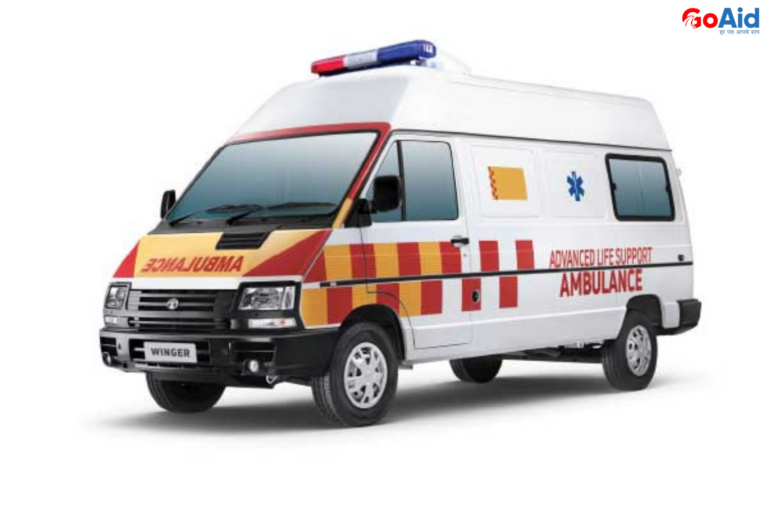
2. Advanced Life Support (ALS) Ambulances
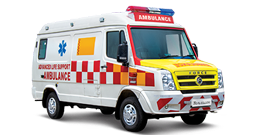
ALS ambulances carry advanced medical equipment such as defibrillators, ventilators, and emergency medications to manage critical cases like cardiac arrest or severe trauma.
3. ICU Ambulances
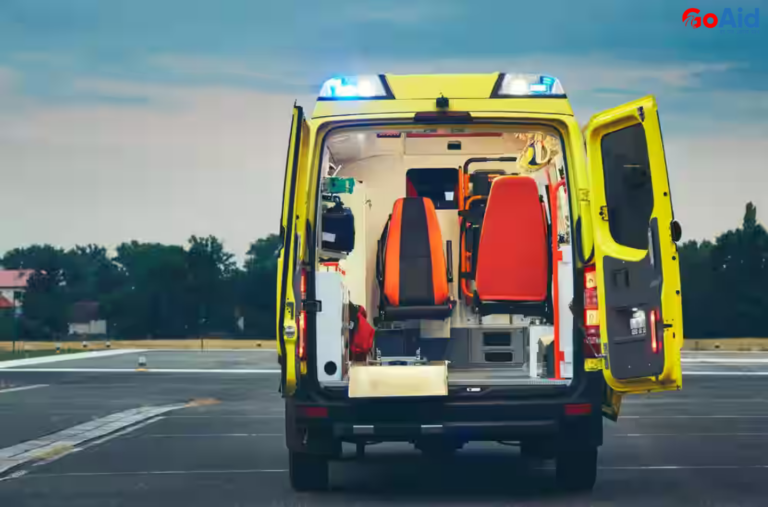
These ambulances provide intensive care on the move, including ventilators, cardiac monitors, and specialized care for critically ill patients needing continuous observation.
4. Neonatal and Pediatric Ambulances
Specifically designed for children and newborns, these ambulances carry incubators, pediatric ventilators, and trained pediatric paramedics to handle delicate cases safely.
5. Oxygen Ambulances
Equipped with high-flow oxygen systems and necessary respiratory equipment, these ambulances treat patients suffering from asthma, COPD, and other breathing-related emergencies.
6. Mortuary Ambulances
Used for the dignified transportation of deceased individuals, equipped with freezer boxes and maintained to comply with health regulations.
7. Event & Hospital Transfer Ambulances
These ambulances support large gatherings, hospital-to-hospital transfers, and elective patient transport. This ensures safety and medical supervision throughout the journey.
How does 24/7 availability affect city ambulance services?
Round-the-clock ambulance availability ensures timely emergency response in metro cities, improving outcomes and supporting continuous healthcare needs.
1. Immediate Response at Any Time
Patients receive help regardless of day or night, critical during sudden health emergencies in densely populated cities.
2. Supports Night-Time Emergencies
Accidents and medical issues occur during late hours; 24/7 ambulances prevent delays that could be life-threatening.
3. Reduces Traffic Impact
With priority routes, ambulances respond promptly even during heavy traffic. This provides efficient medical transportation at all hours.
4. Continuous Oxygen & ICU Care
Critical patients benefit from uninterrupted care, with ventilators and monitoring devices functioning throughout the journey.
5. Pediatric & Elderly Safety
Vulnerable groups are continuously covered, as emergencies often occur outside standard hospital hours.
6. Increases Public Trust
Knowing ambulance services operate 24/7 reassures families and encourages prompt medical intervention.
7. Event & Festival Coverage
Large gatherings often happen at night; 24/7 ambulances ensure preparedness for accidents, injuries, or sudden health crises.
8. Improves Patient Outcomes
Immediate medical attention reduces complication rates and enhances survival chances in critical situations.
9. Enhances Urban Healthcare Efficiency
Hospitals can rely on ambulances for smooth patient transfers and emergency coordination at any hour.
10. Nationwide Connectivity
Continuous service supports interstate or long-distance transfers, connecting patients to specialized care without delays.
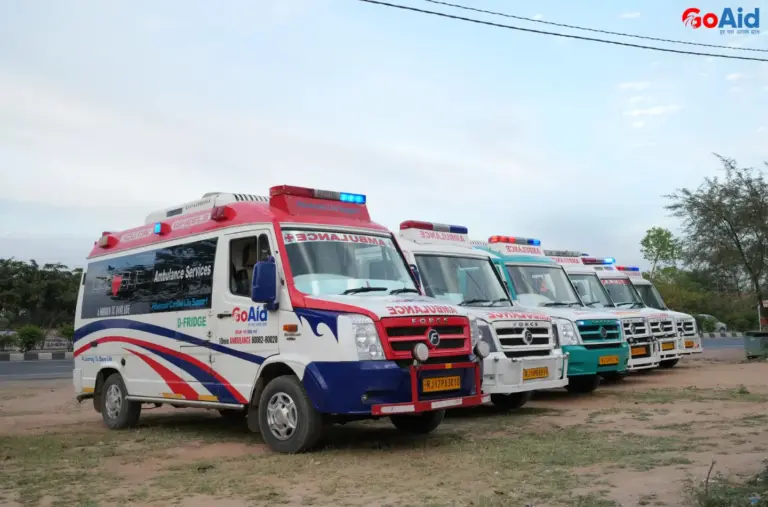
How does ambulance demand compare across Delhi, Mumbai, and Bengaluru?
Ambulance demand varies with population density, infrastructure, and pollution levels. Delhi sees high demand due to air pollution emergencies and traffic-related accidents. Mumbai’s dense population and chaotic traffic create frequent trauma cases requiring rapid ambulance intervention.
Bengaluru experiences rising demand due to tech hub-related corporate emergencies, road accidents, and rapid urbanization. All three cities face increasing pediatric and elderly medical emergencies, stressing ambulance networks.
Differences in city planning, hospital accessibility, and public awareness also affect usage. Despite regional variations, the overarching trend is higher ambulance reliance, requiring improved fleet management, fast response protocols, and 24/7 service.
What trends are expected in urban ambulance services in the future?
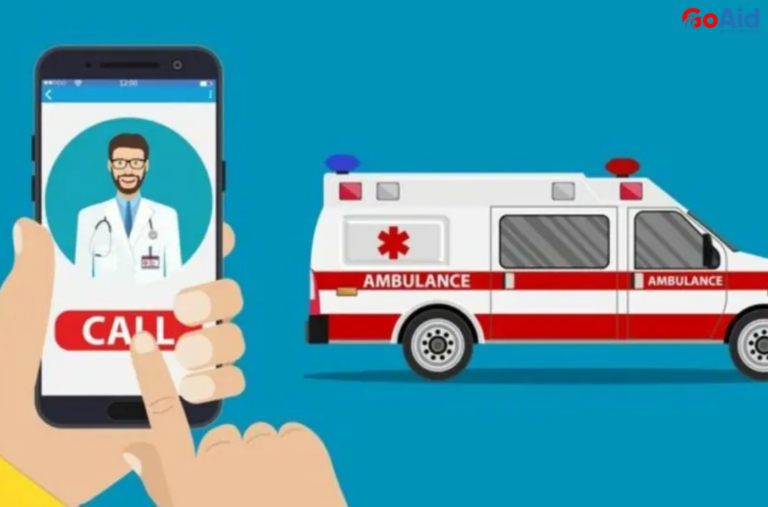
Urban ambulance services are evolving rapidly to meet growing demand. Smart GPS-enabled fleets allow real-time tracking and faster dispatch. Telemedicine integration provides paramedics with remote doctor support during transport.
Specialized ambulances, such as ICU, pediatric, and neonatal units, are expected to increase. Fleet expansion and 24/7 service adoption will continue to improve emergency response. AI-powered predictive analytics may help anticipate high-demand zones and allocate ambulances efficiently.
Collaboration with hospitals and corporate institutions is likely to grow. Overall, ambulance services will become faster, tech-enabled, and more patient-centric to meet urban healthcare challenges.
Conclusion
In conclusion, we have provided you all the details about why ambulance demand is increasing in metro cities like Delhi, Mumbai, and Bengaluru.
We explored types of ambulances, 24/7 availability benefits, city-wise demand differences, and future trends, highlighting how rapid urbanization and healthcare challenges are shaping emergency medical services today.
FAQs
Q1: Why is ambulance demand higher in metro cities like Delhi, Mumbai, and Bengaluru?
A: High population density, traffic congestion, rising accidents, pollution-related emergencies, and urban lifestyle diseases contribute to the increased need for rapid and efficient ambulance services in metro cities.
Q2: What types of ambulances are available in these metro cities?
A: Metro cities provide BLS, ALS, ICU, pediatric, neonatal, oxygen, mortuary, and hospital/event transfer ambulances to cater to diverse medical emergencies and patient requirements.
Q3: How does 24/7 ambulance availability benefit urban residents?
A: Round-the-clock services ensure immediate response during accidents, cardiac emergencies, pediatric crises, or respiratory distress, reducing complications and improving patient outcomes, even during nighttime or peak traffic hours.
Q4: Are specialized ambulances necessary for children and elderly patients?
A: Yes, pediatric and geriatric ambulances are equipped with age-specific medical equipment and trained paramedics to ensure safe, continuous care for vulnerable populations during emergencies.
Q5: What trends are expected in urban ambulance services in the coming years?
A: Urban ambulance services are moving towards GPS-enabled fleets, telemedicine support, AI-assisted dispatch, specialized units, and 24/7 services to provide faster, more efficient, and tech-driven emergency healthcare.