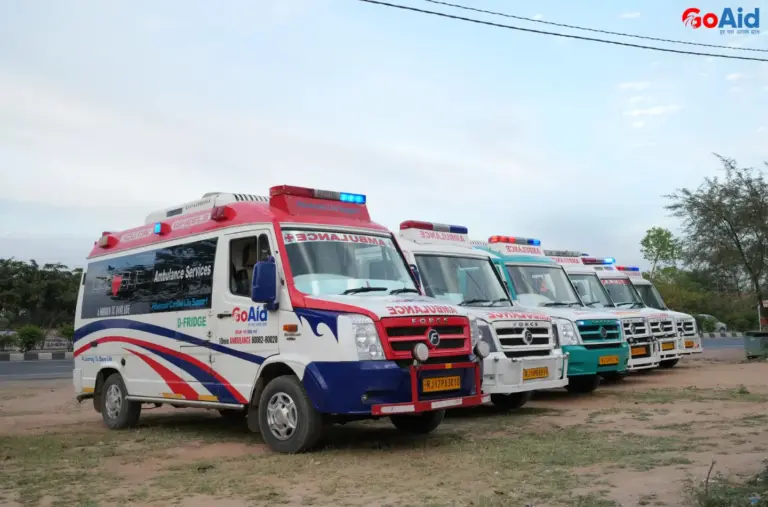
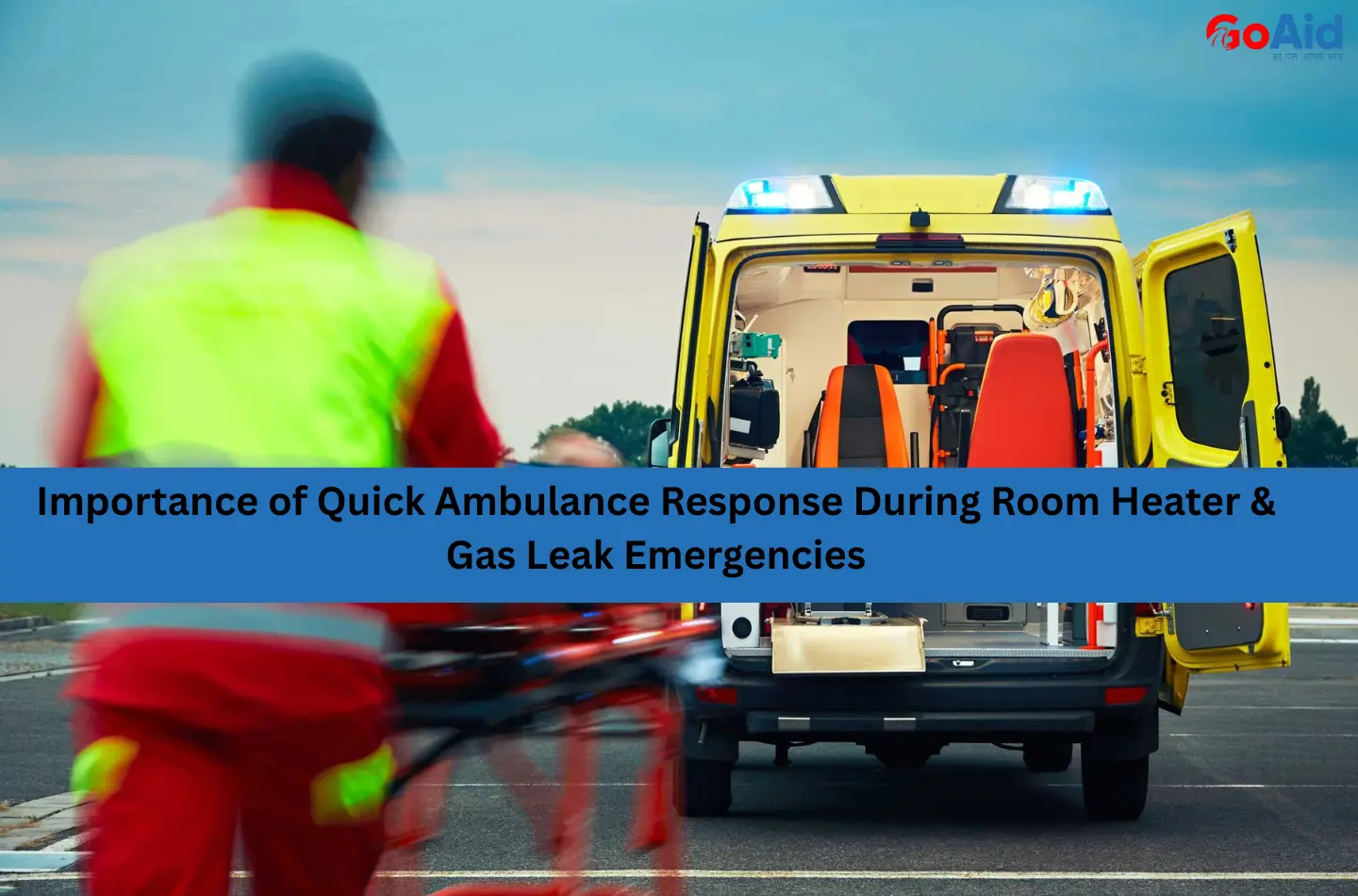

Room heater and gas leak emergencies can turn dangerous within minutes, especially during winter when homes stay closed, and ventilation is low. It is crucial to know when to call an ambulance to prevent severe breathing issues or burns & carbon monoxide poisoning. A fast emergency ambulance service, such as the GoAid ambulance service, ensures quick intervention, which stabilises patients before complications escalate in fire-related medical emergency conditions.
Why Quick Medical Help Matters in Winter Home Emergencies
Winter increases the risk of health issues associated with room heaters and gas leaks, making timely medical support essential for every household. During a room heater emergency, oxygen levels may drop, causing dizziness or respiratory distress. Similarly, a gas leak emergency can lead to poisoning, explosions, or serious fire injuries if help is delayed.
This is why understanding when to call an ambulance becomes critical for saving lives. GoAid ambulance service offers 24/7 ambulance service and fast ambulance service for sudden winter home safety emergencies. Their trained team reaches the location quickly, provides emergency medical help, also GoAid ensures immediate care for heater-related issues or gas leak incidents, which prevents life-threatening complications.
Common Health Issues Caused by Room Heaters in Winter
Room heaters can create several hidden health risks during winter, especially in closed spaces. These problems often lead to room heater emergency situations and may require quick emergency ambulance service if symptoms suddenly worsen.
- Dry Skin & Dehydration: Room heaters reduce moisture in the air, causing dry skin, dehydration, and irritation, which often lead to winter home safety emergencies if ignored.
- Breathing Difficulty: Poor ventilation lowers humidity and affects breathing, escalating room heater emergency risks for people with asthma or lung issues.
- Low Oxygen Levels: Continuous heater use reduces indoor oxygen, causing suffocation, dizziness, and weakness that may require fast ambulance service.
- Triggered Asthma Symptoms: Heaters circulate dust particles, worsening asthma symptoms and increasing the need for quick emergency medical help GoAid.
- Headaches & Nausea: Prolonged heat exposure can cause headaches and nausea due to poor air quality, creating a potential room heater emergency.
- Carbon Monoxide Exposure: Faulty heaters may leak carbon monoxide, causing poisoning and severe gas leak emergency symptoms requiring immediate ambulance support.
- Risk of Burns & Fire: Overheated room heaters may cause accidental burns or fire-related medical emergencies, often demanding urgent emergency ambulance service.
How Gas Leaks Become Life-Threatening Indoors
A gas leak emergency inside a closed room becomes dangerous within minutes because harmful gases quickly replace oxygen. When exposure increases, the body suffers from breathing difficulty, dizziness, and unconsciousness.
Gas leak symptoms such as headache, confusion, nausea, and chest pain escalate rapidly, especially during winter home safety emergencies when rooms stay tightly sealed. Even a small leak from heaters, stoves, or cylinders can cause carbon monoxide buildup, leading to poisoning and life-threatening situations. In severe cases, just a few breaths can trigger collapse or cardiac arrest, which requires immediate emergency ambulance service.
That is why recognising early warning signs and calling the GoAid ambulance service instantly is crucial. Quick GoAid emergency response helps prevent fatal outcomes during indoor gas leak emergencies.
When to Call an Ambulance During a Room Heater Emergency?
Room heater emergencies can become serious very quickly, especially when low oxygen or overheating affects health. Knowing when to call an ambulance ensures the right medical help arrives on time.
- Breathing Difficulty or Wheezing: Breathing trouble or wheezing during heater use signals a room heater emergency needing quick emergency ambulance service.
- Severe Dizziness or Fainting: Sudden dizziness or fainting indicates low oxygen levels, requiring a fast GoAid emergency response.
- Chest Pain or Tightness: Heater-related suffocation may trigger chest discomfort, demanding immediate emergency ambulance service.
- Persistent Headache or Nausea: Continuous headache or nausea is a warning sign of a room heater emergency that needs urgent medical help.
- Burn Injuries from the Heater: Burns caused by overheated heaters or accidental contact require instant support from GoAid ambulance service.
- Unusual Room Odour: Strange smells may indicate a fire-related medical emergency needing quick ambulance assistance.
- Unconsciousness or Non-Responsiveness: Loss of consciousness requires immediate emergency ambulance service for safe winter home rescue.
When Gas Leak Symptoms Require Immediate Ambulance Support?
Gas leak emergencies become dangerous fast due to oxygen depletion and toxic gas exposure. Recognising early gas leak symptoms helps you take quick action and call an ambulance before the situation becomes fatal.
- Breathing Problems: Shortness of breath indicates a gas leak emergency requiring immediate ambulance support.
- Confusion or Disorientation: Brain oxygen drop causes confusion, needing fast GoAid emergency response.
- Persistent Headache: A strong headache during a suspected gas leak demands emergency ambulance service.
- Chest Tightness: Chest pain or tightness signals toxic gas exposure requiring urgent medical care.
- Nausea or Dizziness: These gas leak symptoms show poisoning risk and need instant ambulance attention.
- Strong Gas Smell: A noticeable odour means severe danger and requires fast ambulance help.
- Fainting or Collapse: Losing consciousness due to gas leak exposure needs immediate emergency medical help GoAid.
GoAid’s Rapid Response for Winter Heater & Gas Leak Emergencies
Winter heater failures and gas leaks can quickly turn into medical emergencies. GoAid’s rapid ambulance service ensures immediate response, life-saving care, and safe transportation during winter emergencies. Their trained paramedics and advanced equipment make them reliable during heater and gas leak crises.
- GoAid ambulance teams reach your location quickly during heater malfunction emergencies, ensuring fast medical care before the situation worsens.
- Their paramedics handle gas leak emergencies with proper safety gear and oxygen support to stabilise patients quickly.
- GoAid provides timely CPR and ventilation support for winter heater-related breathing problems or unconsciousness.
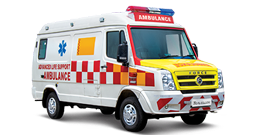
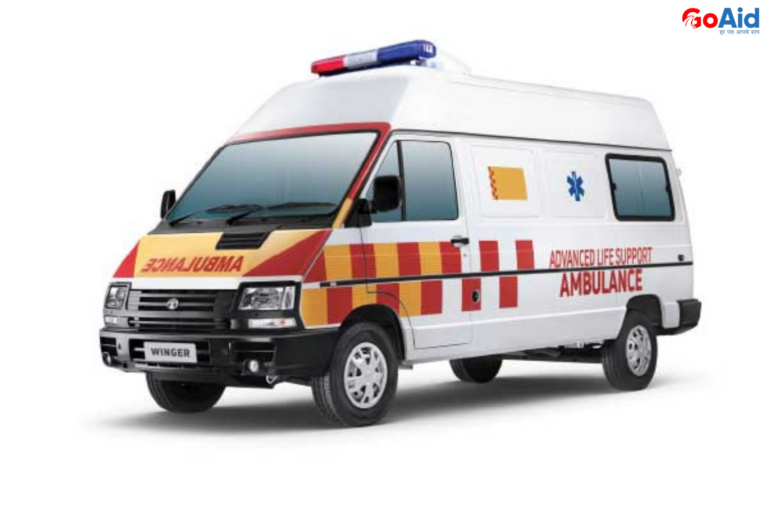
- Advanced Life Support ambulances ensure critical care during carbon monoxide poisoning from faulty room heaters.
- GoAid’s trained staff safely evacuate households affected by toxic gas leaks during winter.
- Emergency oxygen and airway management tools help patients suffering from smoke inhalation or heater fumes.
- GoAid’s 24/7 winter emergency response ensures immediate medical support during late-night heater and gas leak incidents.
Benefits of Choosing GoAid Ambulance During Winter Emergencies
Winter emergencies often worsen due to delayed response and harsh weather. Choosing GoAid ambulance ensures timely care, advanced medical support, and trained paramedics who specialise in heat-related emergencies, hypothermia, and gas leak medical complications.
- GoAid offers the fastest response time, ensuring winter emergency patients receive immediate medical attention without delay.
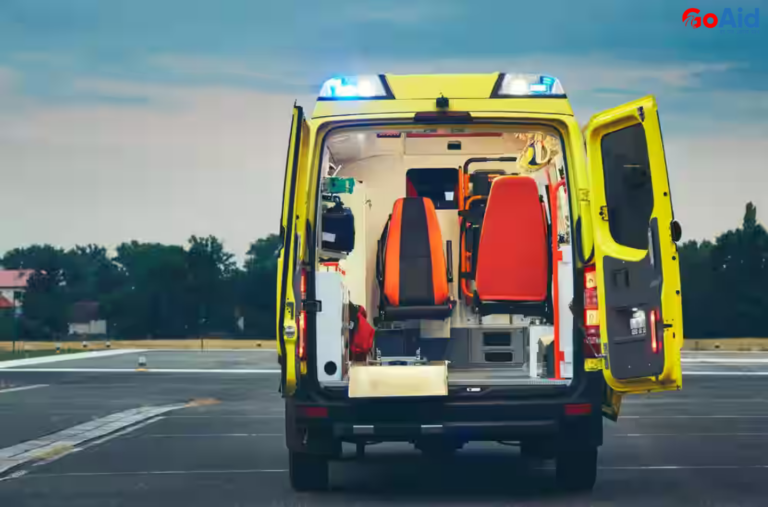
- Their ambulances come equipped with oxygen cylinders essential for heater and gas leak breathing issues.
- Trained paramedics handle carbon monoxide poisoning and winter respiratory problems with expertise.
- GoAid provides 24/7 ambulance availability even during freezing nights and foggy weather.
- Advanced monitoring systems onboard help track patients suffering from low oxygen or dizziness due to gas leaks.
- The team ensures safe transport to the nearest hospital specialising in winter-related medical emergencies.
- Affordable pricing makes GoAid a reliable option for families facing sudden winter medical situations.
Safety Tips to Prevent Heater and Gas Leak Emergencies at Home
Winter heater misuse and hidden gas leaks can turn deadly without warning. Following simple safety precautions can protect your family from winter emergencies. These essential heater and gas leak safety tips help reduce risks and avoid life-threatening situations.
- Always keep room heaters at a safe distance from furniture, curtains, or flammable items.
- Ensure proper ventilation to prevent carbon monoxide buildup during continuous heater use.
- Regularly check gas cylinders, stoves, and pipelines for leakage signs or unusual smells.
- Install a carbon monoxide detector to monitor toxic gas levels at home.
- Avoid using old or faulty room heaters during the winter months.
- Never leave heaters or gas stoves unattended, especially at night.
- Keep emergency numbers as GoAid ambulance saved for immediate help during winter gas leak incidents.
Conclusion to the Importance of Quick Ambulance Response During Room Heater & Gas Leak Emergencies
Quick ambulance response during room heater and gas leak emergencies can save lives by providing immediate medical attention, oxygen support, and safe transportation. GoAid’s fast emergency ambulance services ensure rapid assistance during carbon monoxide exposure, heater failures, and toxic gas inhalation. In winter, timely ambulance care becomes crucial to prevent complications and protect families from life-threatening situations.
FAQs Related to the Importance of Quick Ambulance Response During Room Heater & Gas Leak Emergencies
Question 1: Why is a quick ambulance response crucial during a gas leak emergency?
Answer: Quick ambulance response ensures timely oxygen support, prevents suffocation, and provides immediate medical care for toxic gas inhalation during household gas leak emergencies.
Question 2: How does a fast ambulance help during a room heater emergency?
Answer: A fast ambulance provides instant care for breathing issues, carbon monoxide poisoning, and unconsciousness caused by a room heater malfunction or smoke inhalation.
Question-3: When should I call an ambulance during a heater or gas leak incident?
Answer: Call an ambulance immediately if you notice dizziness, breathlessness, unconsciousness, severe headache, or a strong gas smell inside your home.
Question 4: How does GoAid support heater and gas leak emergencies?
Answer: GoAid offers rapid ambulance dispatch, trained paramedics, oxygen therapy, and advanced life support to handle heater failures and gas leak-related medical emergencies.
Question 5: Can delayed ambulance response increase risks during winter emergencies?
Answer: Yes, delays can worsen breathing problems, increase carbon monoxide exposure, and lead to life-threatening complications during winter heater or gas leak situations.
Question-6: What makes GoAid reliable for winter emergency response?Answer: GoAid’s 24/7 availability, fast arrival time, skilled paramedics, winter emergency readiness, and advanced equipment make it highly reliable during heater and gas leak emergencies.