
According to the National Stroke Registry Programme, India reports 14.4–16.6 lakh new stroke cases annually, highlighting the urgent need for structured emergency response and timely ambulance support.
Patients experiencing stroke symptoms should immediately request a Stroke Emergency Ambulance Service to ensure rapid medical intervention and reduce brain damage. This is why it is vital to understand the urgency of stroke emergencies.
In this section, we will explain:
- Why timely ambulance support matters,
- How early recognition helps,
- What actions to take immediately,
- How fast can emergency stroke treatment in India reduce complications and save lives?
What is a Stroke and Why Is It a Medical Emergency?
A stroke occurs when blood flow to the brain is blocked or a blood vessel bursts, cutting off oxygen supply. According to global health data, stroke is one of the leading causes of death and long-term disability worldwide, which makes immediate emergency stroke treatment essential.
- Blocked Blood Flow to the Brain: In ischemic stroke, a clot blocks an artery supplying the brain, stopping oxygen delivery and causing brain cells to die within minutes.
- Brain Hemorrhage: In a hemorrhagic stroke, a ruptured blood vessel causes bleeding inside the brain, increasing pressure and damaging surrounding brain tissue rapidly.
- Rapid Brain Cell Damage: During a brain stroke emergency, nearly two million brain cells can die every minute without oxygen, worsening long-term disability risk.
- Sudden Onset of Symptoms: Stroke symptoms appear suddenly and worsen quickly, leaving very little time to delay before calling a stroke emergency ambulance.
- High Risk of Permanent Disability: Without timely ambulance support, stroke survivors may suffer paralysis, speech loss, memory problems, or lifelong functional impairment.
- Life-Threatening Complications: Severe stroke emergencies can cause unconsciousness, breathing difficulty, or cardiac complications, requiring advanced life support ambulance care.
Because stroke emergencies escalate rapidly, recognizing the condition early and seeking immediate ambulance support is absolutely critical for survival.
Early Warning Signs of Stroke
It is important to recognize stroke emergencies early because this allows faster treatment, reduces brain damage, and improves survival chances. The FAST method helps identify symptoms quickly.
- Sudden facial drooping on one side
- Weakness or numbness in an arm or a leg
- Slurred or unclear speech
- Sudden confusion or trouble understanding
- Severe sudden headache without known cause
- Loss of balance or coordination
- Sudden vision problems in one or both eyes
What to Do While Waiting for the Ambulance?
In stroke emergencies, the moments before the ambulance arrives are critical. A proper first response can prevent worsening symptoms and prepare the patient for emergency stroke treatment.
- Keep the patient calm and seated or lying down
- Loosen tight clothing for comfortable breathing
- Note the exact time symptoms started
- Do not give food, water, or medication
- Monitor breathing and the consciousness level
- Keep emergency medical documents ready
- Avoid unnecessary movement or shaking
Staying calm and following these steps supports timely ambulance support and improves outcomes in brain stroke emergencies.
How Timely Ambulance Support Reduces Brain Damage?
In stroke emergencies, every minute without oxygen damages brain cells. Timely ambulance support ensures rapid response, early stabilization, and faster hospital treatment to limit long-term complications.
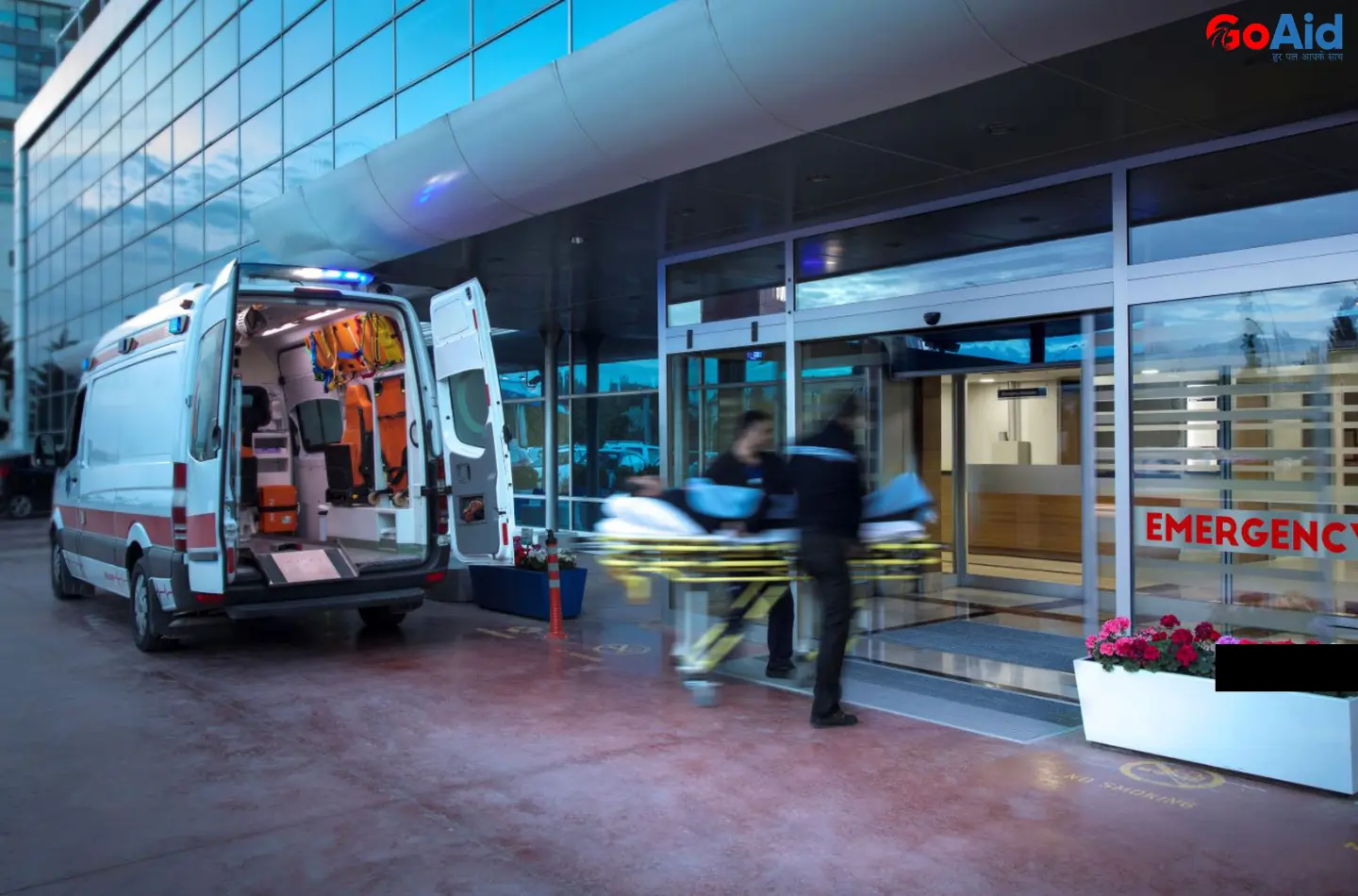
- Faster Hospital Arrival: Rapid transport through a stroke emergency ambulance reduces delays, allowing doctors to begin clot-busting or surgical treatment within the critical golden hour window.
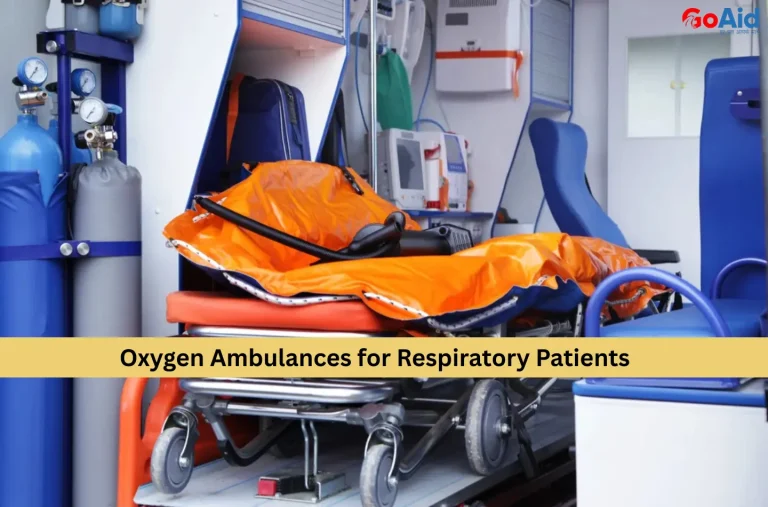
- Early Oxygen Support: Providing oxygen immediately during transit helps maintain brain tissue viability and prevents further damage caused by oxygen deprivation.
- Continuous Vital Monitoring: Ambulance teams monitor blood pressure, pulse, and oxygen levels continuously, preventing sudden deterioration during critical patient transfer.
- Pre-Hospital Assessment: Paramedics conduct early neurological evaluations and inform hospitals in advance, reducing emergency room processing time upon arrival.
- Immediate Medical Intervention: If complications arise, advanced life support ambulance teams can administer emergency medications or manage airway issues instantly.
- Reduced Treatment Delay: Timely ambulance support shortens the time between symptom onset and definitive emergency stroke treatment, significantly improving recovery chances.
Quick action and immediate ambulance support play a decisive role in minimizing brain damage and improving survival in stroke emergencies.
Common Mistakes People Make During Stroke Emergencies
In stroke emergencies, panic and misinformation often cause delays that increase brain damage and worsen patient outcomes.
- Ignoring early FAST stroke symptoms
- Waiting to see if symptoms improve
- Using private vehicles instead of an ambulance
- Giving food, water, or home remedies
- Delaying decision due to cost concerns
- Not noting the symptom start time
- Calling unverified local transport services
Avoiding these mistakes ensures timely ambulance support and improves survival chances during a brain stroke emergency.
How Does GoAid Provide Fast Ambulance Support for Stroke Emergencies?
During stroke emergencies, immediate medical response is essential. GoAid ambulance service focuses on rapid dispatch, trained paramedics, and advanced life support ambulance care to ensure timely stroke emergency treatment.
- 24/7 ambulance service availability
- Rapid response within metro cities (in just 10 minutes)
- GPS-enabled nearest ambulance allocation
- Trained paramedics for stroke assessment
- Oxygen and advanced life support equipment
- Pre-hospital coordination with stroke-ready hospitals
- Transparent and affordable ambulance charges
GoAid’s advanced dispatch system ensures ICU, ALS, and stroke-ready ambulances reach patients quickly, improving survival and reducing treatment delays during stroke emergencies.
FAQs
Q1: How quickly should I call an ambulance during stroke symptoms?
A: Call immediately at the first sign of FAST stroke symptoms to prevent irreversible brain damage.
Q2: Can I take a stroke patient to the hospital in a private car?
A: It is not recommended, as ambulances provide oxygen, monitoring, and emergency stroke treatment support.
Q3: Does GoAid provide 24/7 ambulance service for stroke emergencies?
A: Yes, GoAid offers 24/7 ambulance service with trained paramedics and advanced life support equipment.
Conclusion
Stroke emergencies require immediate recognition and rapid medical response. Timely ambulance support can significantly reduce brain damage and improve survival chances. Acting quickly, avoiding common mistakes, and choosing a reliable ambulance service like GoAid can make a life-saving difference.Are you or your known facing stroke emergencies? Visit “Contact GoAid” now!