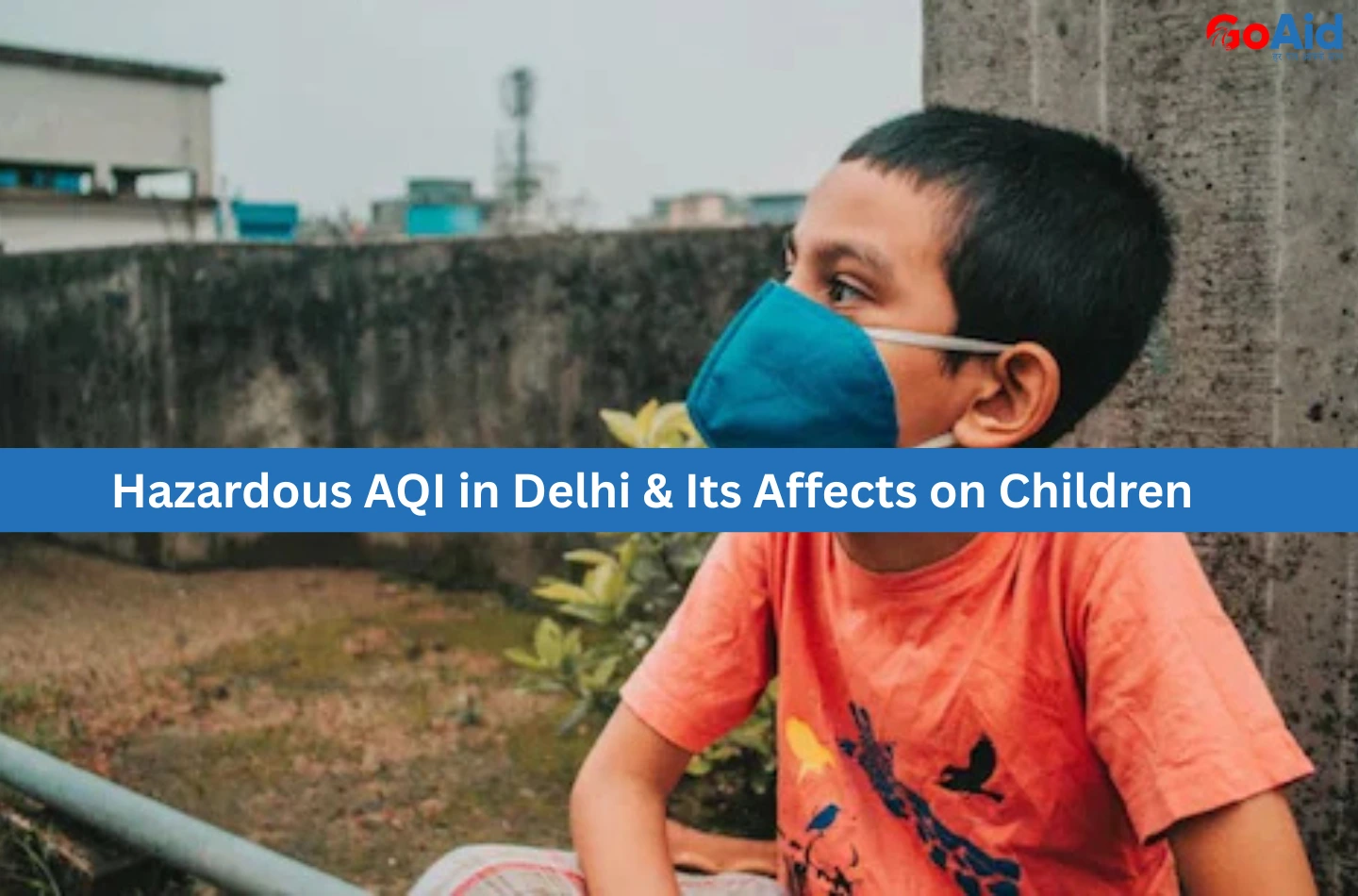

Delhi has been facing dangerously high AQI levels, often crossing 400+, and children are among the most vulnerable to the harmful effects of air pollution. Breathing difficulties, respiratory distress, and other health emergencies are becoming increasingly common. This makes it essential for parents to stay alert and know when to seek immediate medical help.
This is why, in this blog, we have provided you all the information about the topic. We have explained what AQI 400+ means and its health implications, why children are more vulnerable, signs of respiratory distress in kids, when parents should call an ambulance, the role of pediatric ambulance services, and more. Are you willing to know all this information in detail? Then read our blog to the end.
So, let’s start-
What does AQI 400+ mean and its health implications?
An AQI 400+ level falls under the “Severe” category, meaning the air is dangerously toxic, especially for children. At this stage, pollution particles such as PM2.5 and PM10 are so high that even healthy kids may experience breathing discomfort, coughing, throat irritation, and eye burning.
For children with asthma or allergies, the risks are far greater, often leading to pediatric respiratory emergencies. Prolonged exposure can trigger lung inflammation, reduced oxygen levels, and frequent hospital or ambulance visits.
During Delhi pollution health alerts, parents must closely monitor symptoms and avoid all outdoor activities to protect their child’s health.
Why Are Children More Vulnerable to Air Pollution?
Children are far more vulnerable to toxic air because their lungs and immune systems are still developing. They breathe faster than adults, which increases the intake of harmful pollutants during bad Air Quality Index days.
Their smaller airways get inflamed more quickly. This causes wheezing, coughing, and breathing difficulty. Outdoor school activities further increase exposure to smog particles that settle deep inside young lungs.
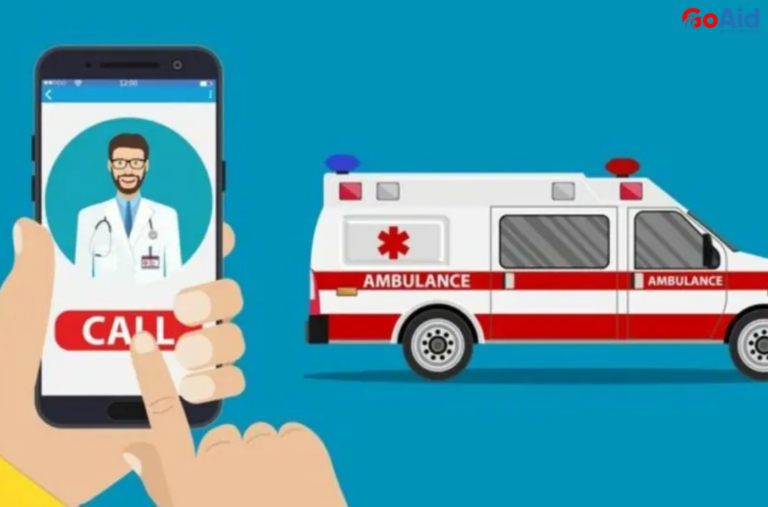
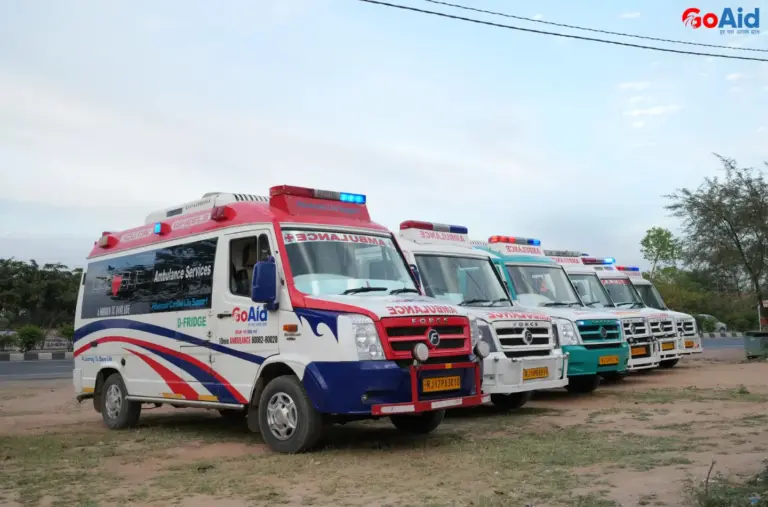
During AQI 400+ days, children with asthma or bronchitis face severe risks, often requiring emergency medical care for children. This is why parents must stay alert and keep GoAid Ambulance Service (8008280020) accessible.
What are Signs of Respiratory Distress in Kids?
During AQI 400+ pollution, children often show early signs of respiratory distress that parents must recognize quickly to prevent severe health complications or pediatric emergencies.
1. Rapid or Difficult Breathing
If a child breathes unusually fast, uses extra chest muscles, or struggles to inhale properly, it indicates respiratory distress. High pollution levels irritate airways, reducing oxygen flow and increasing breathing effort.
2. Persistent Coughing That Gets Worse
A cough that continues throughout the day or worsens during smog exposure signals airway inflammation. Continuous coughing can quickly escalate into wheezing or asthma-like symptoms in children.
3. Wheezing or Whistling Sounds While Breathing
When polluted air irritates the bronchial tubes, they narrow and produce a whistling sound. Wheezing is a major red flag, especially in kids with asthma or allergies.
4. Visible Chest Retractions
If the skin around the ribs or neck pulls in with each breath, it means the child is working very hard to breathe. This requires immediate medical attention or ambulance support.
5. Unusual Fatigue or Extreme Tiredness
Low oxygen levels caused by toxic smog can make kids feel weak, dull, or extremely tired, even without physical activity. This often indicates reduced lung function and respiratory strain.
6. Bluish Lips or Fingertips
A bluish tint on the lips, nails, or skin shows dangerously low oxygen in the bloodstream. This is a medical emergency and requires immediate pediatric ambulance assistance.
7. Inability to Speak Full Sentences
If a child can speak only a few words at a time before running out of breath, their lungs are under severe stress. This symptom indicates acute respiratory difficulty.
8. Nasal Flaring While Breathing
Widening of nostrils during breathing is a common early sign of respiratory effort in children. During smog season, this indicates airway irritation and difficulty getting enough oxygen.
9. Tightness or Pain in Chest
Kids may complain of pressure, tightness, or discomfort in their chest when air pollution is extremely high. This signals inflammation in the lungs and needs urgent evaluation.
10. Sudden Restlessness or Anxiety
A child becoming unusually restless, panicked, or irritable may be experiencing difficulty breathing. When oxygen levels drop, the body responds with anxiety-like behavior — a critical warning sign.
When Should Parents Call an Ambulance in AQI 400+?
During hazardous AQI 400+ conditions, parents must act quickly when breathing issues escalate. Certain symptoms indicate severe respiratory distress that requires urgent medical transportation for children.
1. When the child is struggling to breathe or using extra chest muscles
If your child is breathing rapidly, showing chest retractions, or unable to take normal breaths, it indicates severe airflow obstruction caused by toxic air.
In such cases, home remedies won’t help. Parents should immediately call a pediatric ambulance to prevent oxygen drop, respiratory collapse, or sudden worsening during smog exposure.
2. When the child shows bluish lips, nails, or pale, cold skin
Bluish discoloration means the child’s oxygen level has fallen to dangerous levels. AQI 400+ severely reduces oxygen availability and can cause hypoxia.
This is a medical emergency, and only trained paramedics with oxygen support in an ambulance can stabilize the child safely during transport to a hospital.
3. When continuous coughing or wheezing does not stop even after medication
If inhalers, steam, or prescribed medicines fail to stop wheezing or coughing, it means the lungs are too inflamed to respond.
Smog can trigger sudden asthma attacks in kids. Calling an ambulance ensures fast oxygen therapy, nebulization, and expert monitoring while reaching the hospital.
4. When the child cannot speak normally, eat, or stay conscious
If the child struggles to talk, becomes confused, excessively sleepy, or unable to eat due to breathlessness, it signals acute respiratory failure.
This condition can deteriorate rapidly. An ambulance with pediatric support and oxygen delivery is essential for safe and immediate intervention.
5. When the child has a pre-existing condition and symptoms worsen quickly
Children with asthma, allergies, low immunity, or lung infections are at higher risk during AQI 400+. If their symptoms worsen suddenly despite precautions, an ambulance must be called.
Early medical support prevents long-term lung damage and protects the child from severe pediatric emergencies.
Role of Ambulance Services in Pediatric Emergencies
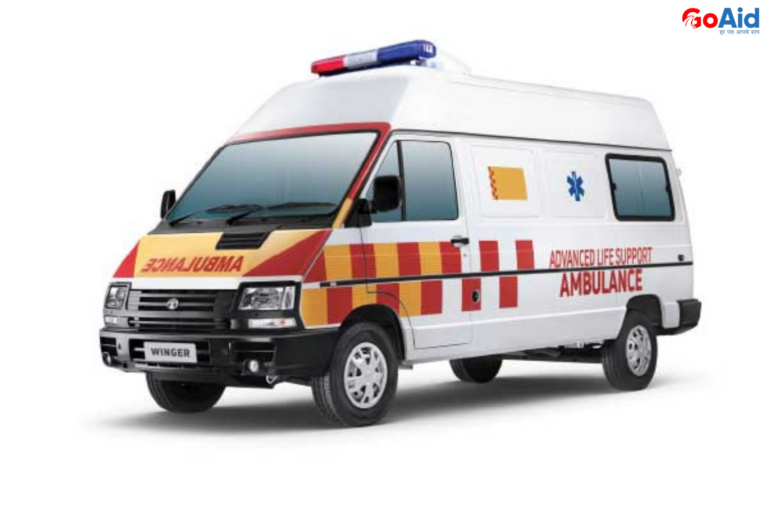
During severe pollution episodes, ambulances play a crucial role in providing immediate care to children experiencing respiratory distress. This ensures timely, safe, and medically supported transportation.
1. Immediate Oxygen Support for Respiratory Relief
Ambulances provide high-flow oxygen to stabilize children struggling to breathe due to smog-induced airway irritation. This ensures oxygen levels do not fall dangerously low during emergencies.
2. Trained Pediatric Paramedics for On-Spot Care
Specially trained paramedics can identify early respiratory collapse, provide nebulizers, monitor vitals, and deliver rapid interventions essential for children in respiratory emergencies.
3. Safe Transport During Severe Breathing Difficulty
Ambulances ensure safe, medically supervised transportation when children cannot travel in regular vehicles due to breathlessness, wheezing, or unstable oxygen levels.
4. Specialized Equipment Suitable for Kids
Pediatric ambulances carry child-friendly masks, nebulizers, oxygen cylinders, and other equipment designed specifically for young patients. This ensures accurate and safe treatment.
5. Faster Access to Emergency Rooms
Ambulances bypass traffic using priority routes and sirens. This ensures the child reaches the nearest hospital quickly during life-threatening respiratory distress.
6. Continuous Monitoring During Transport
Ambulances track the child’s vitals, oxygen saturation, breathing rate, and consciousness levels, preventing sudden deterioration en route to the hospital.
7. Coordination With Hospitals for Prepared Admission
Emergency teams alert hospitals in advance. This ensures the pediatric emergency ward is ready with oxygen, ventilators, or ICU support upon arrival.
Preventive Measures for Children During Smog
During severe smog and AQI 400+, children need extra protection because their lungs are still developing and more vulnerable to toxic pollutants.
1. Keep children indoors during peak pollution hours
Limit outdoor exposure, especially in the early morning and late evening when smog is thickest. Indoor air is comparatively safer and helps reduce inhalation of harmful pollutants.
2. Use air purifiers or indoor air-cleaning methods
Air purifiers help reduce PM2.5 and PM10 particles inside the home. If unavailable, keep rooms dust-free and use wet mopping to maintain indoor air quality.
3. Provide proper hydration throughout the day
Water helps flush out toxins and prevents throat dryness caused by smog. Offer warm fluids like soups, herbal teas, or warm water to soothe respiratory irritation.
4. Make children wear N95 or N99 masks outdoors
These masks filter most harmful particles and protect the lungs from pollutant entry. Cloth masks are ineffective during severe smog conditions.
5. Strengthen immunity with nutritious meals
A diet rich in vitamin C, antioxidants, and warm foods boosts immunity and reduces the impact of pollution on children’s respiratory system.
6. Avoid physical activities outdoors
Running or playing outdoors increases breathing rate and forces children to inhale more pollutants. Shift all activities indoors temporarily.
7. Keep medications and inhalers easily accessible
Children with asthma or allergies must have their inhalers, nebulizers, and emergency medicines ready at home for quick relief when symptoms worsen.
8. Maintain clean indoor ventilation systems
Ensure AC filters, air vents, and fans are clean to prevent dust recirculation. This reduces indoor pollution during high AQI days.
9. Teach children basic breathing exercises
Simple breathing routines help strengthen the lungs and increase respiratory endurance. Avoid deep outdoor breathing during pollution.
10. Regularly monitor AQI before stepping out
Use AQI apps or government portals to stay updated. This helps parents plan outings or school travel based on safer air quality levels.
School & Outdoor Activity Guidelines During High AQI
During AQI 400+ days, schools must adopt strict safety protocols to protect children from health risks linked to hazardous pollution levels. Outdoor sports, morning assemblies, and physical training sessions should be suspended to prevent exposure to toxic air.
All learning activities should be shifted indoors, preferably in well-ventilated rooms equipped with air purifiers or clean ventilation systems. Schools must ensure that students with asthma or respiratory conditions carry inhalers and have quick access to first aid.
Additionally, teachers should monitor children for signs of coughing, breathlessness, or fatigue and notify parents immediately. Transport arrangements should minimize waiting time outdoors, and masks must be compulsory for all students.
What is the Importance of Oxygen Support in Severe Cases?
Oxygen support becomes critical for children during severe pollution episodes because smog reduces the amount of breathable oxygen in the air. AQI 400+ causes airway inflammation, narrowing of bronchial tubes, and difficulty in oxygen exchange inside the lungs.
When a child’s oxygen level drops, their brain and vital organs can be affected within minutes. Oxygen therapy provided in ambulances helps stabilize breathlessness, prevents hypoxia, and ensures safe transport to the hospital.
Trained paramedics use oxygen masks, pediatric cannulas, and monitoring devices to maintain steady oxygen saturation. This makes this support essential in preventing respiratory failure or long-term lung damage during emergencies.
Long-Term Impact of Pollution on Children’s Health
Long-term exposure to hazardous pollution can severely affect a child’s physical, mental, and respiratory development. The harmful pollutants present in smog—such as PM2.5, PM10, nitrogen dioxide, and ozone—penetrate deep into young lungs and can lead to chronic respiratory diseases like asthma, bronchitis, and reduced lung capacity.
Many children exposed to pollution early in life develop lifelong breathing difficulties and increased sensitivity to airborne allergens. Pollutants can also affect cognitive development by reducing oxygen supply to the brain, impacting memory, focus, and academic performance.
Moreover, long-term smog exposure weakens immunity. This makes children more susceptible to frequent infections. Heart-related risks, sleep disturbances, and poor growth patterns have also been observed in children living in high-pollution environments.
Over time, this cumulative damage can affect their overall well-being and increase the chances of adult respiratory and cardiovascular diseases. This is why strict preventive care and timely medical attention are essential during high AQI days.
Conclusion
In conclusion, we have provided you all the details about how AQI 400+ affects children and when parents should call an ambulance during smog emergencies. From identifying signs of respiratory distress to understanding the importance of oxygen support and long-term health risks, this guide helps you make informed decisions for your child’s safety. Stay alert, follow preventive measures, and prioritize timely medical care during hazardous pollution days.
FAQs
Q1: What makes children more vulnerable during high smog conditions?
A: Children breathe faster and have developing lungs, which means they inhale more polluted air than adults. Their immune systems are still maturing. This makes them more prone to respiratory infections, breathing difficulty, and long-term damage during prolonged exposure to smog.
Q2: How can parents reduce indoor pollution for their children?
A: Parents can keep windows closed during peak smog hours, use air purifiers, avoid burning incense or smoking indoors, and regularly clean dusty surfaces. Maintaining proper ventilation and using indoor plants may also help improve air quality for children.
Q3: When should a child wear a mask during smog?
A: A child should wear a mask whenever AQI levels cross 200, especially outdoors. N95 or N99 masks offer better protection than cloth masks. Masks are essential during school hours, travel, or outdoor activities to reduce inhalation of harmful particles.
Q4: What symptoms indicate that smog is affecting a child’s health?
A: Symptoms include continuous coughing, wheezing, rapid breathing, chest tightness, watery eyes, fatigue, or reduced physical activity. If symptoms worsen or interfere with daily routines, parents should seek medical attention promptly to prevent further complications.
Q5: Can prolonged smog exposure affect a child’s long-term growth?
A: Yes, prolonged exposure can slow lung development, increase asthma risk, weaken immunity, and impact cognitive functions. Over time, polluted air may contribute to chronic respiratory conditions, reduced stamina, and poor academic performance due to recurring health issues.