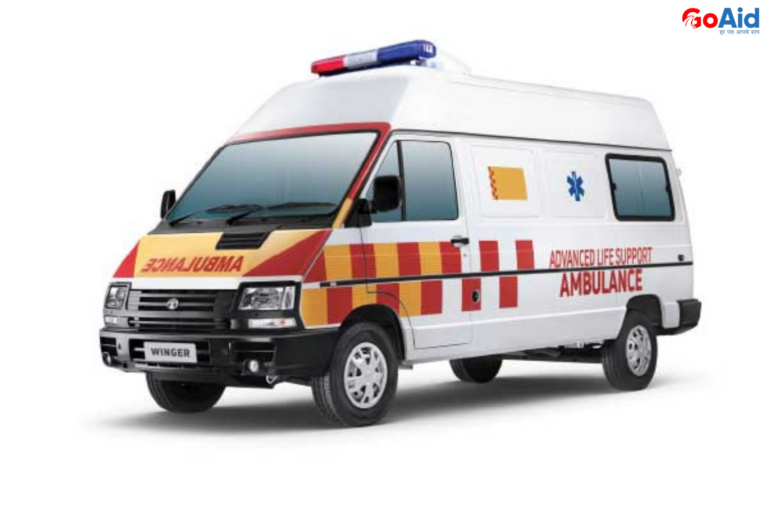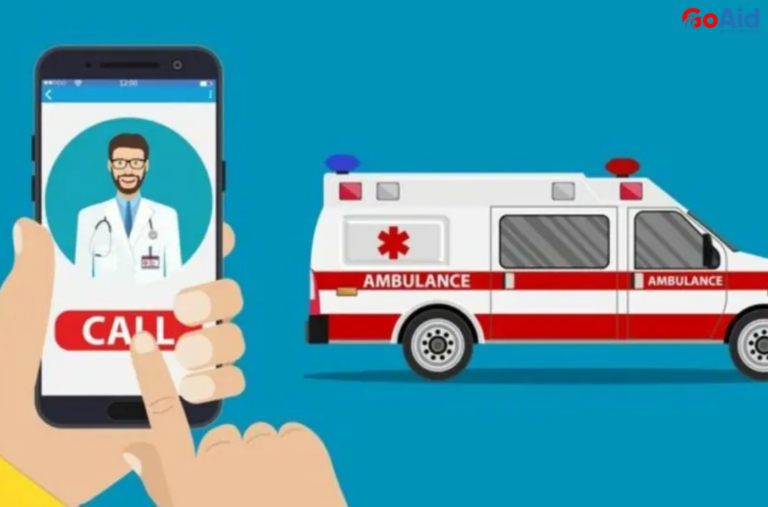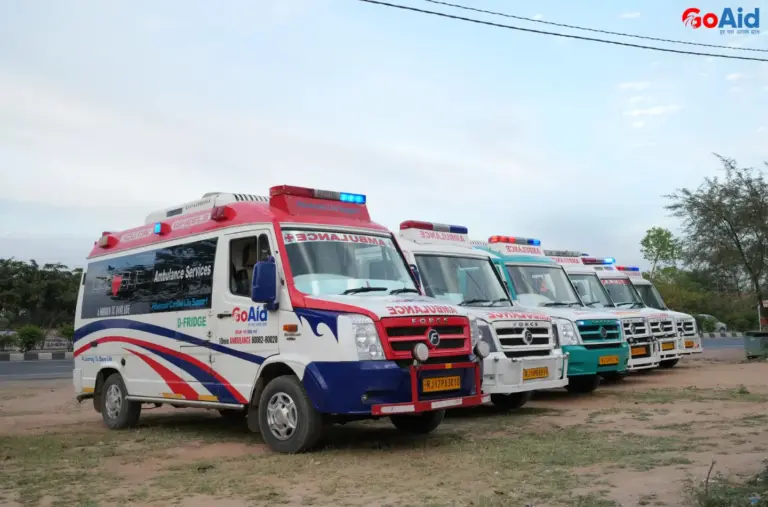
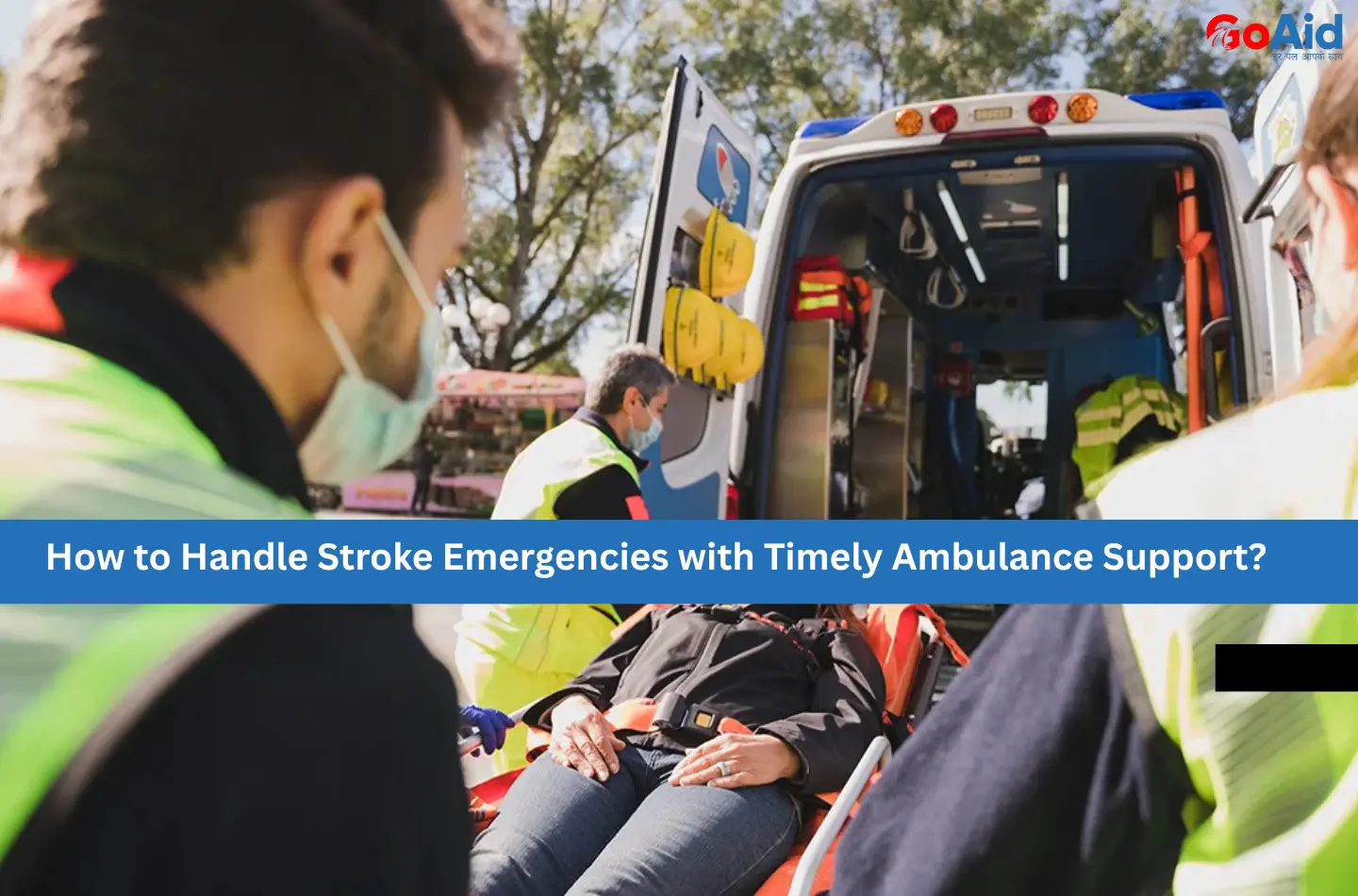

A stroke emergency occurs when blood flow to the brain is suddenly blocked or a blood vessel bursts, causing rapid brain damage. Immediate emergency stroke care is critical to save life and prevent permanent disability. Using a fast ambulance service ensures timely medical attention, oxygen support, and safe transport to the nearest stroke-ready hospital, where specialized treatment can begin without delay.
Understanding Stroke as a Medical Emergency
Stroke is one of the most serious medical emergencies, requiring immediate ambulance for stroke support. When brain cells are deprived of oxygen, they begin to die within minutes. Delayed response can lead to paralysis, speech loss, memory problems, or even death. Emergency stroke care focuses on rapid diagnosis, oxygen management, blood pressure monitoring, and swift hospital transfer.
A fast ambulance service plays a crucial role by providing pre-hospital care and alerting hospitals in advance. A 24-hour ambulance service like GoAid Ambulance ensures continuous availability, trained medical staff, and life-saving equipment. Timely ambulance response significantly improves survival rates and long-term recovery outcomes in stroke emergencies.
Warning Signs of Stroke
In a medical emergency, acting fast and calling the best ambulance service can save brain function. This helps to reduce complications and improve recovery chances through immediate emergency stroke care.
- Face Drooping: One side of the face may droop or feel numb. Ask the person to smile; uneven movement is a strong stroke emergency indicator requiring a fast ambulance service immediately.
- Arm Weakness: Sudden weakness or numbness in one arm is common. Ask the person to raise both arms; drifting indicates emergency stroke care is urgently needed.
- Speech Difficulty: Slurred, unclear, or lost speech signals a serious stroke emergency. Difficulty understanding words means you should book an ambulance for stroke without delay.
- Time to Act: Time is critical in stroke emergencies. Every minute matters, so contacting a 24 hours ambulance service ensures faster hospital arrival and treatment.
- Sudden Vision Problems: Blurred or lost vision in one or both eyes can indicate a stroke emergency and requires immediate GoAid stroke ambulance support.
- Severe Headache: A sudden, intense headache without known cause may signal a hemorrhagic stroke, needing emergency stroke care via a fast ambulance service.
- Balance Issues: Sudden dizziness, loss of balance, or coordination problems are warning signs. Immediate ambulance support helps prevent falls and further brain damage.
Why Immediate Ambulance Support Matters?
In a a stroke emergency immediate ambulance support ensures rapid medical intervention, continuous monitoring, and safe transport. A fast ambulance service like GoAid Ambulance reduces treatment delays and improves survival and recovery outcomes.
- Faster Medical Response: A fast ambulance service reaches the patient quickly, reducing critical delays and starting emergency stroke care at the scene itself.
- On-Route Medical Care: An ambulance for stroke provides oxygen, vital monitoring, and initial stabilization, preventing condition worsening before reaching the hospital.
- Trained Medical Staff: GoAid stroke ambulance teams are trained to recognize stroke symptoms and manage emergencies efficiently during patient transfer.
- Hospital Pre-Alert: Ambulance crews inform hospitals in advance, allowing stroke units to prepare immediately for urgent treatment on arrival.
- Safe Patient Handling: Professional stretcher use and medical supervision reduce risks of falls, aspiration, or sudden deterioration during movement.
- 24 Hours Availability: A 24-hour ambulance service ensures stroke patients receive help anytime, even during nights, holidays, or remote-area emergencies.
- Better Recovery Chances: Rapid ambulance intervention limits brain damage, improves survival rates, and supports faster, more effective stroke recovery.
Golden Hour in Stroke Treatment
The golden hour in stroke treatment refers to the first 60 minutes after stroke symptoms appear, when emergency stroke care is most effective. During this period, quick diagnosis and treatment can restore blood flow and prevent permanent brain damage.
A fast ambulance service plays a vital role by reducing response time and ensuring smooth transfer to a stroke-ready hospital. Ambulance for stroke support includes oxygen therapy, blood pressure monitoring, and continuous observation en route.
Delays beyond the golden hour significantly increase the risk of paralysis, speech loss, or death. Choosing the best ambulance service like GoAid Ambulance ensures timely arrival, early medical intervention, and improved survival chances. Acting fast during the golden hour saves lives and preserves brain function.
Risks of Delaying Ambulance Booking
Delaying ambulance booking during a stroke emergency can cause irreversible brain damage. Without a fast ambulance service, critical treatment is postponed, increasing complications, disability, and fatality risks in emergency stroke care.
- Increased Brain Damage: Every minute of delay destroys brain cells, worsening the stroke emergency and reducing chances of full recovery.
- Higher Disability Risk: Late ambulance for stroke support increases paralysis, speech loss, and long-term dependence on caregivers.
- Sudden Condition Worsening: Without medical monitoring, blood pressure or breathing issues can rapidly escalate during delays.
- Missed Golden Hour: Delayed booking often results in missing the golden hour, limiting effective emergency stroke care options.
- Unsafe Transport Choices: Waiting may force risky self-driving, increasing chances of accidents and medical collapse en route.
- Higher Mortality Rate: Delayed ambulance response significantly raises the risk of death during severe stroke emergencies.
- Longer Hospital Recovery: Late treatment leads to extended hospital stays, higher costs, and slower rehabilitation outcomes.
Why Self-Driving is Dangerous in Stroke?
In a stroke emergency, self-driving is extremely dangerous and can be life-threatening. Stroke symptoms like sudden weakness, blurred vision, confusion, or loss of balance can worsen without warning, making driving unsafe. Patients may lose consciousness or control of their limbs mid-journey, leading to accidents. Unlike an ambulance for stroke, private vehicles lack medical support, oxygen, and monitoring.
There is no emergency stroke care available if the patient’s condition deteriorates on the way. A fast ambulance service ensures trained professionals handle the situation safely while coordinating with hospitals. Choosing GoAid Ambulance instead of self-driving reduces delays, prevents road risks, and increases survival chances. During a stroke emergency, safe medical transport is critical.
Role of Ambulances in Pre-Hospital Stroke Care
Ambulances play a vital role in pre-hospital stroke care by delivering immediate medical attention before hospital arrival. A stroke ambulance provides oxygen support, monitors vital signs, and manages blood pressure to prevent complications.
Trained paramedics quickly assess stroke emergency symptoms and record onset time, which is crucial for treatment decisions. Fast ambulance service teams also alert hospitals in advance, enabling stroke units to prepare for immediate care.
GoAid Ambulance ensures smooth coordination, rapid transport, and continuous monitoring throughout the journey. This early emergency stroke care significantly reduces treatment delays, limits brain damage, and improves patient outcomes. Pre-hospital care by a best ambulance service often determines survival and recovery quality.
Family Do’s and Don’ts During Stroke
In a stroke emergency, family actions can directly affect survival. It is important to know the right do’s and don’ts because this helps to ensure fast ambulance service access, avoids harmful mistakes, and supports effective emergency stroke care until professional help arrives.
- Do Call an Ambulance Immediately: Contact a 24 hours ambulance service like GoAid Ambulance as soon as stroke symptoms appear to avoid dangerous delays.
- Do Keep the Patient Calm: Help the patient lie comfortably, loosen tight clothing, and reassure them while waiting for the ambulance for stroke support.
- Do Note Symptom Onset Time: Record when symptoms started, as this information is vital for emergency stroke care decisions at the hospital.
- Don’t Give Food or Water: Swallowing difficulties during stroke emergencies increase choking risk; wait for medical professionals.
- Don’t Let the Patient Self-Drive: Never allow self-driving, as sudden deterioration can cause accidents and worsen the stroke emergency.
- Don’t Ignore Mild Symptoms: Even temporary weakness or speech issues require a fast ambulance service and immediate medical evaluation.
- Don’t Panic or Delay: Staying calm and acting quickly ensures timely ambulance arrival and better treatment outcomes.
How GoAid Handles Stroke Emergencies?
GoAid Ambulance is specially equipped to manage stroke emergencies with speed, precision, and trained medical support, ensuring patients receive timely emergency stroke care and safe transfer to the nearest stroke-ready hospital.
- Rapid Stroke Call Triage: GoAid’s emergency team quickly identifies stroke emergency symptoms during the call, prioritizing fast ambulance service dispatch without delays.
- Dedicated Stroke Ambulance Availability: GoAid ensures a well-equipped ambulance for stroke is assigned immediately, reducing response time in critical situations.
- Trained Paramedics for Stroke Care: Each GoAid stroke ambulance includes trained paramedics who monitor vitals and manage emergency stroke care en route.
- Pre-Hospital Medical Support: Oxygen therapy, blood pressure monitoring, and patient stabilization are initiated before hospital arrival to prevent complications.
- Hospital Pre-Alert System: GoAid Ambulance informs hospitals in advance, allowing stroke units to prepare for immediate treatment upon arrival.
- Safe and Fast Transportation: Optimized routes and priority navigation ensure fast ambulance service even during peak traffic hours.
- 24 Hours Emergency Coordination: GoAid operates as a 24-hour ambulance service, ensuring stroke emergencies are handled anytime without compromise.
Benefits of Choosing GoAid Ambulance Services
GoAid Ambulance ensures reliable emergency response, professional medical care, and technology-driven support, making it the best ambulance service option for handling critical stroke emergencies safely and efficiently.
- Faster Response Time: GoAid focuses on rapid dispatch to provide a fast ambulance service during time-sensitive stroke emergencies.
- Advanced Medical Equipment: Each ambulance for stroke is equipped with essential tools for continuous emergency stroke care.
- Experienced Medical Staff: Skilled paramedics ensure patient safety and constant monitoring throughout the journey.
- 24/7 Availability: As a 24 hours ambulance service, GoAid remains accessible day and night without service interruptions.
- Technology-Enabled Dispatch: Smart systems help GoAid Ambulance reduce delays and reach patients faster.
- Hospital Network Support: GoAid coordinates with nearby hospitals to ensure smooth admission and faster treatment.
- Trusted Emergency Brand: GoAid Ambulance is recognized as the best ambulance service for dependable and timely medical emergency response.
GoAid’s Technology-Enabled Faster Response
GoAid’s technology-enabled system plays a crucial role in delivering fast ambulance service during stroke emergencies. Advanced GPS tracking identifies the nearest available ambulance for stroke, minimizing response time. Smart route optimization helps drivers avoid traffic congestion and reach patients quickly.
The online and call-based emergency system ensures instant request processing without manual delays. Real-time communication between paramedics and hospitals allows early preparation for emergency stroke care. Digital records help capture patient details and symptom onset time accurately.
GoAid Ambulance also uses centralized monitoring to manage multiple emergencies efficiently. This technology-driven approach strengthens medical emergency response, reduces critical delays, and improves survival chances, making GoAid a reliable 24 hours ambulance service for stroke patients.
How to Prevent Complications During Transfer?
In a stroke emergency, transfer requires proper medical monitoring, trained staff, and timely ambulance support to stabilize the patient and ensure safe emergency stroke care until hospital arrival.
- Continuous Vital Monitoring: Paramedics closely monitor blood pressure, oxygen levels, and consciousness to prevent sudden deterioration during stroke emergency transfer.
- Proper Patient Positioning: Stroke patients are positioned correctly inside the ambulance for stroke to maintain airway safety and reduce pressure-related complications.
- Oxygen Support When Needed: Controlled oxygen therapy is provided to support brain function and avoid hypoxia during emergency stroke care.
- Avoiding Unnecessary Movement: Minimal patient movement helps prevent worsening of neurological symptoms during fast ambulance service transport.
- Medication Management: Only prescribed emergency medications are administered to prevent adverse reactions during medical emergency response.
- Clear Communication with Hospital: Ambulance teams share patient condition updates to prepare hospitals for immediate stroke treatment.
- Trained Stroke Response Team: Skilled paramedics ensure complications are managed promptly during 24 hours ambulance service transfers.
Conclusion to Handling Stroke Emergencies with Ambulance Support
A stroke emergency requires fast decision-making and immediate ambulance support. A reliable ambulance for stroke ensures timely emergency stroke care during the critical golden hour. Delays can cause irreversible brain damage and long-term disability. Choosing a fast ambulance service like GoAid Ambulance improves medical emergency response through trained staff, advanced equipment, and 24 hours ambulance service availability. Prompt action saves lives and reduces complications.
FAQs related to Stroke Emergency Ambulance Services
Question-1: When should I call an ambulance for a stroke emergency?
Answer: Call an ambulance immediately when symptoms like face drooping, arm weakness, or speech difficulty appear, as early emergency stroke care improves survival and recovery.
Question 2: Why is an ambulance for stroke better than a self-driving?
Answer: An ambulance for stroke provides medical monitoring, oxygen support, and fast ambulance service, reducing risks that a self-driving vehicle cannot manage safely.
Question-3: How fast should an ambulance reach during a stroke emergency?
Answer: A fast ambulance service should ideally reach within minutes, as every minute of delay increases brain damage during a stroke emergency.
Question 4: What care is given inside a stroke ambulance?
Answer: Emergency stroke care includes oxygen support, vital monitoring, patient stabilization, and communication with hospitals during transfer.
Question-5: Is GoAid Ambulance available 24/7 for stroke emergencies?
Answer: Yes, GoAid Ambulance operates as a 24-hour ambulance service, ensuring stroke emergencies are handled anytime without delay.
Question-6: Can ambulance staff identify stroke symptoms?
Answer: Trained paramedics recognize stroke emergency signs quickly and begin appropriate medical emergency response immediately.
Question-7: Does early ambulance booking improve stroke recovery?
Answer: Yes, early ambulance booking ensures faster hospital arrival, improving chances of effective stroke treatment.
Question-8: What information should I share during emergency ambulance booking?
Answer: Share symptoms, patient age, location, and symptom onset time to help ambulance teams prepare emergency stroke care.
Question-9: Are stroke ambulances equipped with medical devices?
Answer: Yes, ambulance for stroke services include essential equipment for monitoring and stabilizing patients during transfer.
Question-10: Why choose GoAid for stroke emergencies?
Answer: GoAid Ambulance offers fast ambulance service, trained medical staff, and technology-enabled response, making it a reliable choice for stroke emergencies.