
How to Choose the Right Ambulance in a Medical Emergency?
In a medical emergency, every minute counts. Choosing the wrong ambulance type can delay critical care, worsen the patient’s condition, and increase risk. Selecting the right ambulance service is a critical decision that directly impacts survival and recovery.
This is why, in this blog we have provided you all the details about:
- Ambulance types
- BLS vs ALS
- ICU ambulance needs
- Response time factors
- Ambulance charges
Do you want to know all this information in detail? Then read this blog to the end.
So, let’s start–
Why Choosing the Right Ambulance Matters in an Emergency
In emergencies, decisions must be fast—but they must also be correct. The type of ambulance you choose determines the level of medical care provided during transport, which can directly influence patient survival and stability. That is why you need to choose the ambulance carefully, because it will help you with:
- Immediate medical support
- Proper life-saving equipment
- Trained in paramedic care
- Faster stabilization
- Safer hospital transfer
The right choice reduces complications during transit. A well-equipped ambulance can make the difference between deterioration and recovery.
Types of Ambulance Services (Explained Simply)
Each ambulance type is designed for specific medical needs.
Basic Ambulance (Normal Transport)
A basic ambulance is suitable for stable patients who do not require advanced medical monitoring. This type of ambulance helps with:
- Routine patient transfers
- Hospital discharge movement
- Non-critical transport
- Basic oxygen support
- Stretcher facility
- First aid care
It ensures safe and comfortable transportation for stable patients.
BLS Ambulance (Basic Life Support)
A BLS ambulance is used for patients who need primary medical attention during transport. This type of ambulance helps with:
- Oxygen administration
- Vital signs monitoring
- AED support
- Basic airway management
- Trained EMT assistance
- Emergency stabilization
It is ideal for moderate emergencies requiring medical supervision.
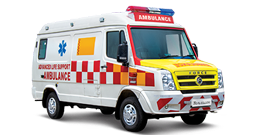
ALS Ambulance (Advanced Life Support)
An ALS ambulance is meant for serious and potentially life-threatening conditions. This type of ambulance helps with:
- Advanced cardiac monitoring
- IV medication support
- Manual defibrillation
- Advanced airway equipment
- Continuous paramedic care
- Critical condition management
It is required when the patient’s condition is unstable.
ICU / Ventilator Ambulance
An ICU ambulance functions as a mobile intensive care unit for critical patients. This type of ambulance helps with:
- Full ventilator support
- Multipara monitoring
- Infusion pump management
- Continuous ICU care
- Advanced life support
- Critical drug administration
It is essential for patients needing uninterrupted intensive care.
Mortuary / Dead Body Ambulance
This ambulance is used for respectful transportation of deceased individuals. This type of ambulance helps with:
- Freezer box facility
- Dignified body transport
- Hygienic vehicle setup
- Long-distance transfer
- Safe preservation
- Timely coordination
It ensures respectful and secure transport during sensitive situations.
Event / Standby Ambulance
Event ambulances are deployed at gatherings for emergency preparedness. This type of ambulance helps with:
- On-site medical readiness
- Immediate first aid
- Crowd emergency response
- Quick evacuation support
- Safety compliance
- Preventive medical cover
It provides medical security at public and private events.
Response Time & Safety Factors to Check
In emergencies, response time and safety standards determine how quickly and effectively care begins. Before confirming the right ambulance service, you must carefully evaluate the following factors:
- Average ambulance response time
- GPS tracking availability
- Nearest ambulance location
- Traffic handling capability
- Trained paramedic presence
- Equipment functionality check
- Hygiene and sanitization standards
- 24/7 operational readiness
Every minute and every safety protocol matters.
Cost & Charges — What You Should Know
Ambulance charges vary depending on service level, distance, equipment, and medical staff required. Understanding average costs helps you make an informed and transparent decision.
Ambulance Type – Average Prices (India):
- Basic Ambulance: ₹1,000 – ₹2,500
- BLS Ambulance: ₹2,000 – ₹4,000
- ALS Ambulance: ₹3,500 – ₹7,000
- ICU / Ventilator Ambulance: ₹5,000 – ₹15,000
- Train Ambulance (long distance): Case-based pricing
- Mortuary Ambulance: ₹1,500 – ₹5,000
Note: These are average prices and may vary depending on distance, city, medical equipment, duration, and emergency conditions as discussed above.
Common Mistakes People Make During Ambulance Booking
Panic often leads to poor decisions. During emergency ambulance booking, these common mistakes can delay proper care:
- Choosing wrong ambulance type
- Ignoring medical condition severity
- Not asking about equipment
- Overlooking trained staff availability
- Focusing only on low price
- Sharing incorrect location details
- Delaying the booking decision
- Not checking response time
- Ignoring hospital coordination
- Failing to confirm total charges
Avoiding these mistakes ensures safer and faster emergency support.
How GoAid Helps in Medical Emergencies
In medical emergencies, immediate coordination, trained response teams, and properly equipped ambulances are critical. GoAid ensures structured emergency support with rapid dispatch systems and medically prepared transport units across major cities. This is achieved through:
- 10-minute response target
- Advanced medical fleet
- 24/7 coordination support
GoAid operates with a focus on timely stabilization and safe hospital transfer. Every ambulance is aligned with standardized safety protocols and trained medical assistance to reduce risk during transport.
Its system emphasizes transparency, preparedness, and availability. From basic transport to ICU ambulance services, the objective remains clear—delivering dependable emergency care when every second matters.
National Guidelines for Emergency Medical Services in India
How to Book an Ambulance Quickly?
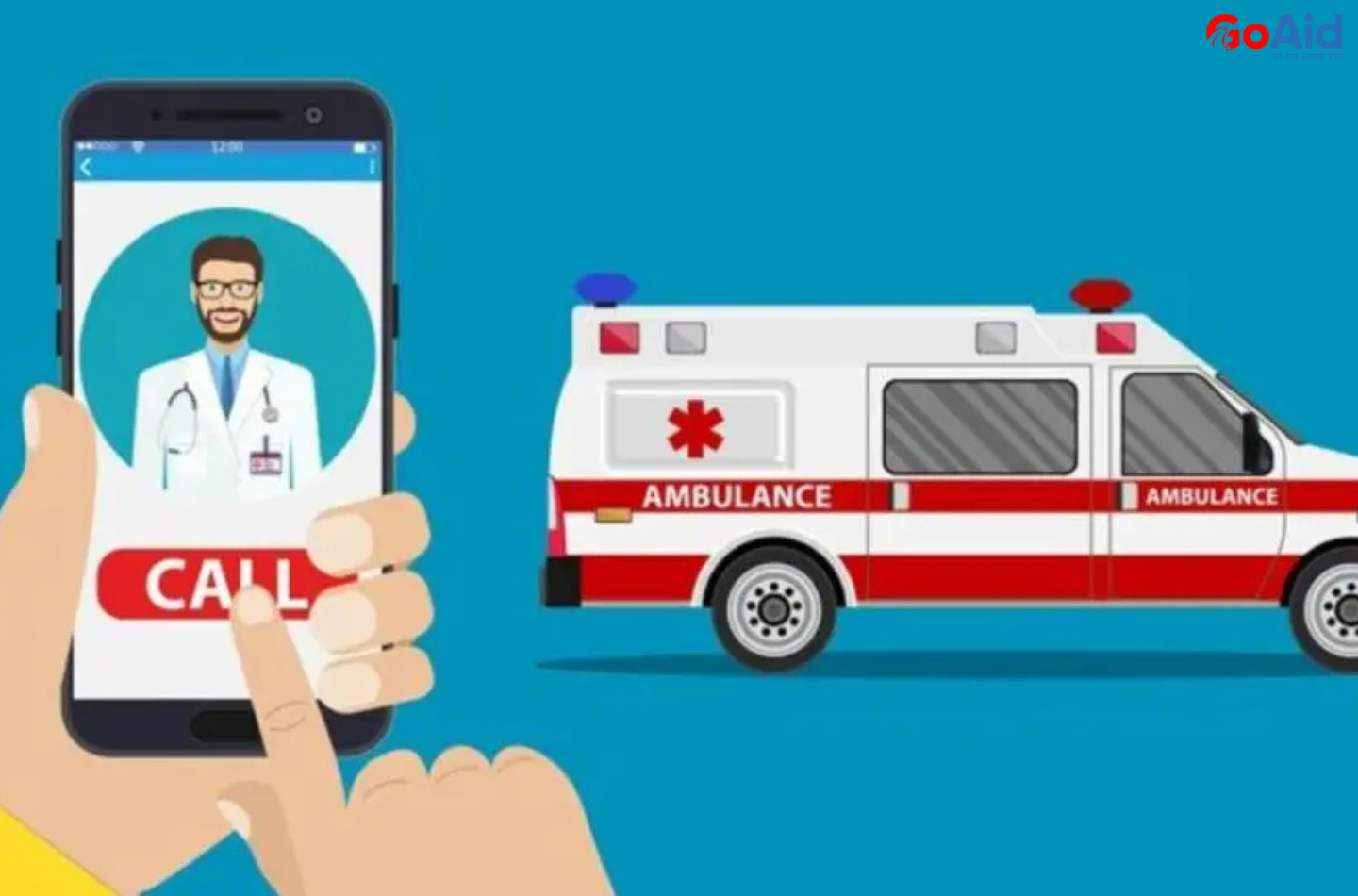
Fast booking reduces emergency delays. Follow these structured steps for immediate ambulance assistance:
- Assess patient condition briefly.
- Choose appropriate ambulance type.
- Call GoAid’s reliable ambulance number 8008280020.
- Share exact location and medical details.
- Confirm charges and estimated arrival time.
Clear communication ensures faster dispatch and safer transport.
Frequently Asked Questions (FAQs)
Q1: Which ambulance is best for a heart attack?
A: An ALS or ICU ambulance is best for heart attack emergencies.
Q2: What is the difference between BLS and ALS?
A: BLS provides basic support; ALS offers advanced life-saving equipment and paramedics.
Q3: How fast should an ambulance arrive?
A: In cities, 10–20 minutes is considered a normal response time.
Q4: Are ambulance charges fixed in India?
A: Charges vary by type, distance, equipment, and city regulations.
Q5: Can I book an ambulance for interstate transfer?
A: Yes, interstate ambulance services are available for long-distance patient transfers.
Conclusion
In conclusion, we have provided you with all the details about choosing the right ambulance service, understanding ambulance types, response time importance, safety factors, common booking mistakes, and cost transparency during medical emergencies.
For immediate assistance or professional guidance, you can contact GoAid for reliable emergency ambulance support and quick response services anytime.