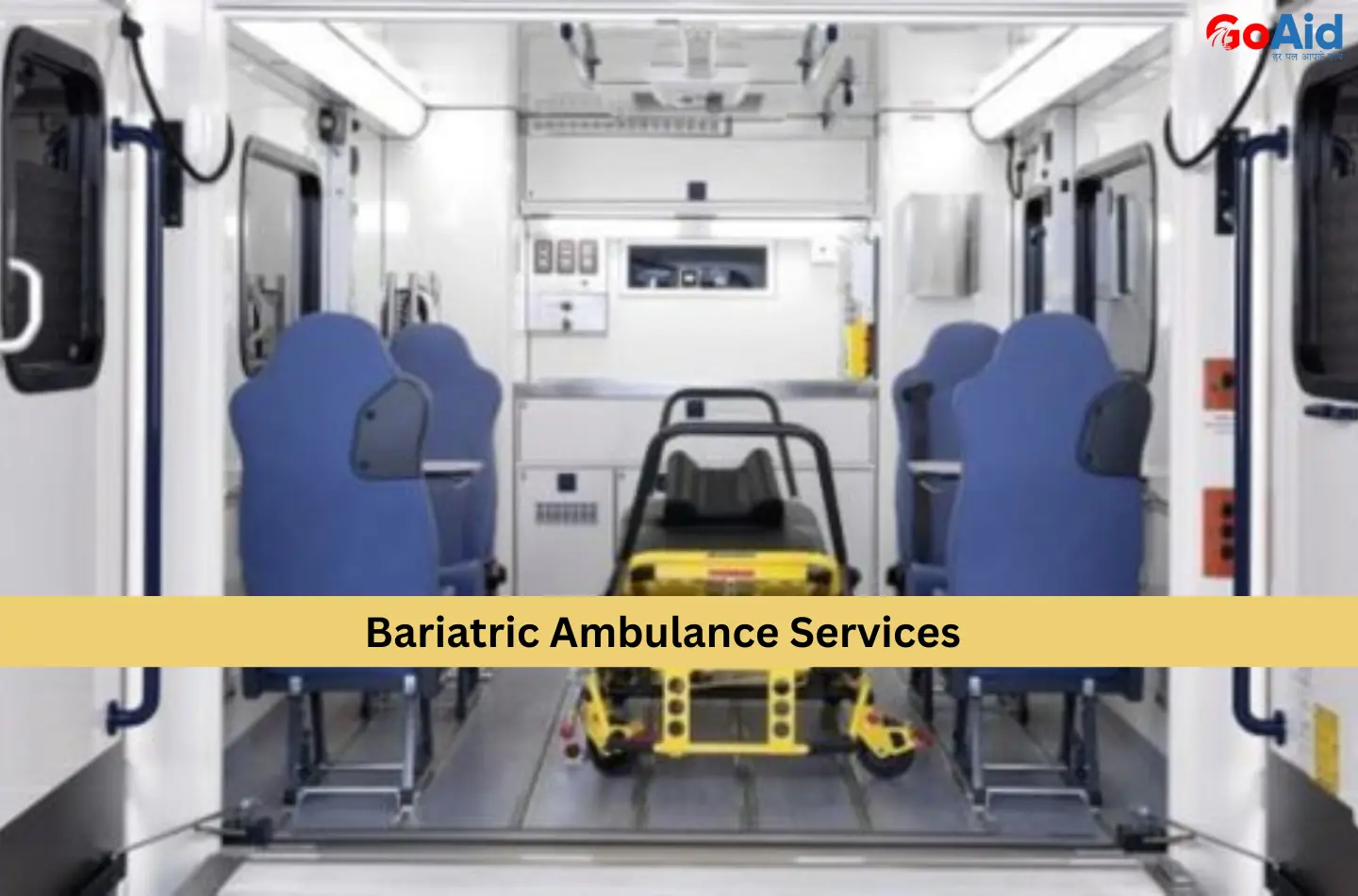

Transporting bariatric patients safely requires specialized care and equipment, as standard ambulances often cannot accommodate their needs. Improper handling or unsuitable stretchers can lead to injury or medical complications. This makes dedicated bariatric ambulance services crucial for safe mobility and emergency response.
This is why, in this blog we have provided you with all the details about why bariatric patients need specialized transport, what makes GoAid’s bariatric ambulances unique, the role of heavy-duty stretchers and special equipment, paramedic handling of obese patients. This ensures comfort and dignity, and how verified services reduce complications. Do you want to know all these information in detail? then read our blog to the end.
So, lets start
Why Bariatric Patients Require Special Medical Transport?
Obese or bariatric patients often face unique medical and mobility challenges that regular ambulances cannot safely accommodate. Specialized medical transport ensures safe, comfortable, and dignified transfers. This reduces health risks during transit.
Standard stretchers and equipment may fail to support higher weight limits. This leads to potential injuries for both patients and caregivers. Plus-size patients may require additional space, reinforced safety restraints, and careful handling to prevent falls, cardiac strain, or respiratory issues.
Trained paramedics experienced in bariatric care can monitor vital signs and manage emergencies en route. Proper transport ensures comfort, maintains medical stability, and provides peace of mind for patients and their families during every transfer.
What Makes GoAid’s Bariatric Ambulances Different?
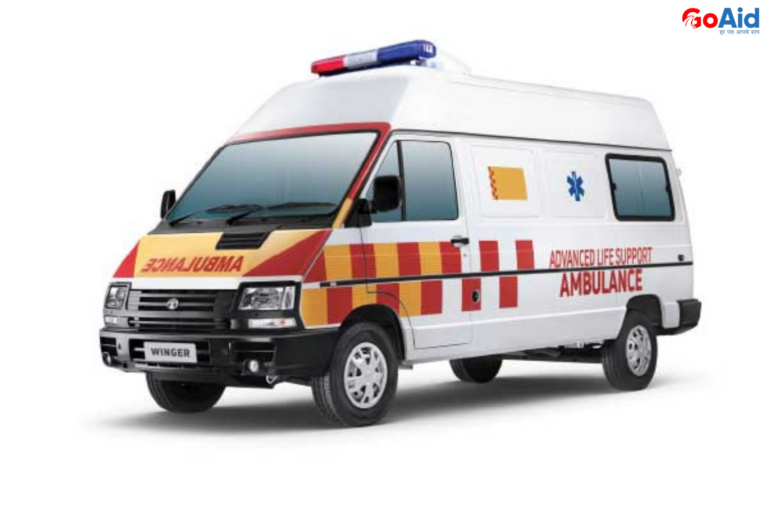
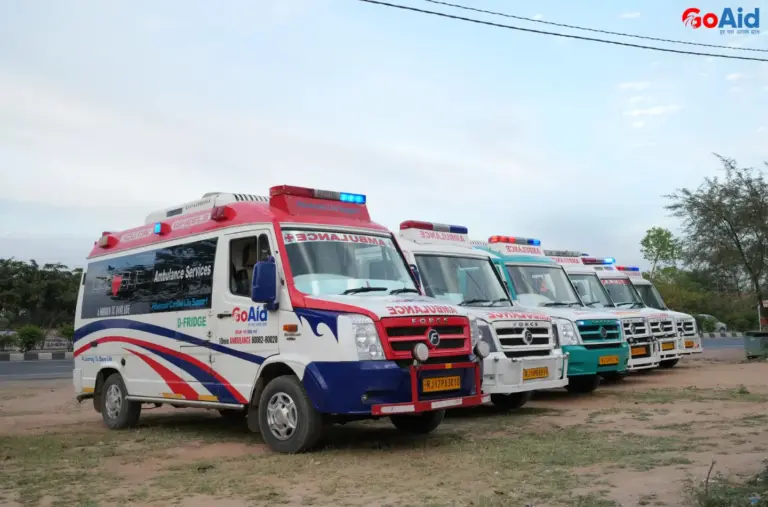
GoAid’s bariatric ambulances ensure safe, comfortable, and professional transport for obese patients, combining specialized equipment, trained paramedics, and tailored protocols for reliable bariatric care during medical transfers.
1. Heavy-Duty Stretchers
Reinforced stretchers support higher weight limits, preventing equipment failure. This ensures patient safety, and providing stable, secure transfers without strain for caregivers or risk of injury during movement.
2. Spacious Ambulance Interiors
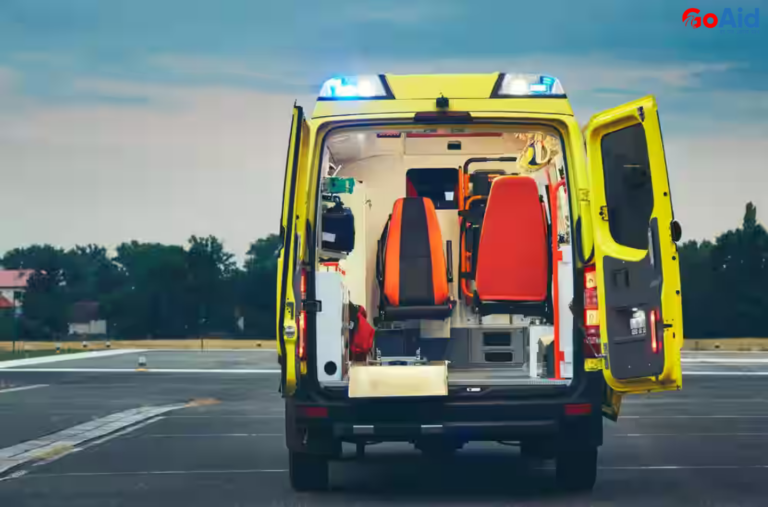
Wider ambulance cabins provide extra room for plus-size patients, medical staff, and equipment. This ensures smooth maneuvering, comfortable positioning, and efficient emergency medical care during transfers.
3. Specialized Lifting Equipment
Hydraulic lifts and ramps allow safe loading and unloading of bariatric patients. This minimizes physical strain for paramedics while maintaining patient dignity and reducing the risk of falls.
4. Trained Paramedics in Bariatric Care
Paramedics receive specialized training for handling obese patients. This includes monitoring vitals, assisting movement safely, and managing medical emergencies during transport with professional precision and care.
5. Reinforced Safety Harnesses
Custom-designed safety belts and harnesses secure patients during transit, preventing sudden shifts. This enhances stability, and reducing injury risks while keeping patients comfortable throughout the journey.
6. Customized Patient Monitoring
Advanced medical devices track vital signs such as heart rate and oxygen levels. This enables paramedics to respond immediately to any changes in patient condition during transit.
7. Climate-Controlled Interiors
Air conditioning and ventilation maintain optimal temperature, preventing overheating. This reduces discomfort, and supporting the health of bariatric patients who may be prone to respiratory or heat-related stress.
8. Comfortable Seating and Support
Ergonomic seats, cushions, and padding minimize pressure points, ensure proper posture, and enhance patient comfort during long transfers, supporting physical well-being and reducing anxiety.
9. Flexible Medical Equipment Setup
Ambulances carry specialized medical devices for bariatric care. This includes oxygen, IV stands, emergency kits, and other essential tools. This enables comprehensive medical support on the move.
10. Nationwide Coverage
GoAid provides bariatric ambulance services across India. This ensures timely, reliable, and professional transport for obese patients wherever required. This offers peace of mind for families and medical teams.
How Do Heavy-Duty Stretchers Improve Patient Safety?
Heavy-duty stretchers are essential for bariatric patient transport. This provides reinforced support, stability, and secure handling. They ensure safe movement, reduce injury risk, and enable professional paramedic care during medical transfers.
1. Supports Higher Weight Limits
Reinforced stretchers safely accommodate obese patients, preventing equipment failure. This maintains stability, and reducing injury risks during transport in ambulances or hospitals.
2. Ensures Patient Stability
Heavy-duty stretchers minimize movement during transit, securing patients in place and reducing the chance of falls, slips, or sudden shifts during emergency transport.
3. Reduces Caregiver Strain
Ergonomically designed stretchers allow paramedics to lift and maneuver patients safely, preventing physical strain, fatigue, or injury for healthcare professionals.
4. Integrated Safety Belts
Stretchers include reinforced harnesses and belts that keep patients secure, prevent movement, and maintain proper positioning during ambulance transfers.
5. Smooth Loading and Unloading
Hydraulic or sliding mechanisms allow controlled lifting and lowering. This ensures safe transfer onto ambulances, ramps, or hospital beds without causing patient discomfort.
6. Enhanced Comfort for Patients
Padded surfaces and support cushions provide comfort, reduce pressure points, and alleviate stress or pain during longer transport periods.
7. Compatible with Medical Equipment
Heavy-duty stretchers support medical devices like IV stands, monitors, and oxygen equipment. This allows continuous patient care without compromising safety during transport.
Why Standard Ambulances Are Not Suitable for Obese Patients?
Standard ambulances are typically designed for average-weight patients and may not accommodate bariatric individuals safely. Limited space, narrow interiors, and standard stretchers make movement and positioning difficult. This increases risk of injury.
Overweight patients may experience discomfort, pressure points, or respiratory stress during transfers. Standard equipment often cannot support higher weight limits, risking stretcher failure or instability. Loading and unloading obese patients can strain paramedics. This causes delays and safety hazards.
Additionally, standard ambulances lack specialized harnesses, reinforced beds, and ergonomic designs needed for plus-size care. Without proper monitoring and support, emergencies may worsen. Therefore, bariatric ambulances with heavy-duty stretchers, trained paramedics, and spacious interiors are essential to ensure safe, comfortable, and dignified patient transport.
What Special Equipment Supports Plus-Size Patient Mobility?
Specialized equipment ensures safe, dignified, and comfortable transport for bariatric patients. These tools help paramedics handle heavy weight, reduce injury risks, and maintain patient stability during medical transfers.
1. Heavy-Duty Stretchers
Reinforced stretchers support higher weight limits, provide stability during transfers, and prevent patient falls or equipment failure. This ensures safe mobility for plus-size patients.
2. Hydraulic Lifts and Hoists
These devices allow smooth lifting and lowering of patients onto ambulances or beds. This reduces physical strain on caregivers and ensuring patient safety.
3. Sliding Boards
Sliding boards help reposition patients safely from beds, chairs, or wheelchairs. This minimizes risk of injury during movements.
4. Bariatric Wheelchairs
Wider, reinforced wheelchairs offer mobility for obese patients. This provides comfort, stability, and easy maneuverability in hospitals or homes.
5. Safety Harnesses
Specialized belts and harnesses secure patients during transport, preventing sudden shifts or falls while maintaining proper posture.
6. Adjustable Backrests
Customizable backrests support patient posture, reduce pressure points, and improve comfort during longer transfers or transport durations.
7. IV Poles and Medical Holders
Integrated equipment holders ensure essential medical devices remain in place. This allows continuous care without compromising patient mobility.
8. Patient Transfer Sheets
Durable sheets allow smooth, safe repositioning or sliding of patients. This reduces friction and minimizes caregiver effort.
9. Stair Chairs
Specialized bariatric stair chairs help move patients safely up or down stairs. This reduces risk in multi-level facilities.
10. Oxygen and Ventilator Support
Onboard oxygen and ventilator equipment ensure that patients with respiratory needs remain stable and comfortable during transport.
How Paramedics Handle Bariatric Emergency Care?
Paramedics trained in bariatric care use specialized techniques and equipment to ensure patient safety during emergencies. They monitor vitals closely, manage mobility using heavy-duty stretchers, and operate lifts or hoists for safe transfers.
Trained staff handle airway management, oxygen therapy, and IV support while minimizing physical strain. Safety harnesses and supportive devices prevent falls, while comfort measures reduce stress and pressure points. Paramedics coordinate efficiently with hospitals for critical cases. This ensures timely intervention.
Their expertise guarantees that obese patients receive professional, dignified, and effective emergency care throughout transport. This maintains both safety and medical stability.
What Challenges Occur During Bariatric Patient Transport?
Transporting bariatric patients involves unique challenges that require specialized equipment, trained staff, and careful planning. Without proper resources, obese patients face safety risks, discomfort, and potential medical complications during ambulance or hospital transfers.
1. Limited Space in Standard Ambulances
Regular ambulances often lack sufficient cabin width and interior space. This makes it difficult to accommodate bariatric patients comfortably, hindering movement, and limiting access for paramedics to provide timely medical care during transport.
2. Equipment Weight Limitations
Standard stretchers and lifting equipment cannot safely support higher body weights, risking stretcher failure, instability, or accidents, and potentially compromising patient safety during emergency or routine transfers.
3. Difficulty in Loading and Unloading
Bariatric patients require hydraulic lifts or hoists for safe transfer. Manual handling increases the risk of caregiver strain, patient falls, and delays in reaching medical care efficiently.
4. Risk of Pressure Injuries
Prolonged contact with inadequately padded stretchers or seats can cause pressure sores, skin irritation, or discomfort for obese patients during transport.
5. Cardiovascular Strain
Improper handling or stress during movement can cause increased heart rate or blood pressure spikes, posing serious health risks for patients with pre-existing cardiac conditions.
6. Respiratory Challenges
Obese patients may have difficulty breathing during transport if proper positioning, oxygen support, or ventilator assistance is not provided, potentially causing hypoxia or respiratory distress.
7. Need for Specialized Monitoring
Continuous monitoring of vital signs is essential, but standard equipment may not fit or function properly for bariatric patients, risking undetected emergencies en route.
8. Patient Anxiety and Discomfort
Limited mobility, awkward positioning, or lack of privacy can cause stress and discomfort, affecting patient well-being and complicating medical transfers.
9. Coordination Challenges for Emergency Response
Bariatric transport often requires multiple staff members, specialized equipment, and careful planning. This makes coordination more complex than standard patient transfers.
10. Compliance with Safety Regulations
Failing to use proper equipment or protocols can violate safety guidelines, expose staff and patients to risk, and create legal liability for healthcare providers and transport services.
How Specialized Ambulances Ensure Comfort and Dignity?
Specialized bariatric ambulances provide comfort and dignity by using reinforced stretchers, wide interiors, and ergonomic support. Patients are safely secured with harnesses, while paramedics use lifts to reduce physical strain.
Climate-controlled cabins maintain optimal temperature, and padded surfaces prevent pressure sores. Continuous monitoring of vital signs ensures medical stability, while oxygen and ventilator support are available if needed.
Staff are trained to handle obese patients respectfully. This maintains privacy and minimizing stress during transfer. These ambulances provide safe, smooth, and professional care. This allows bariatric patients to travel without discomfort, embarrassment, or medical risk. This enhances overall transfer experience.
Why Choosing Verified Bariatric Ambulance Services Helps?
Hiring verified bariatric ambulance services ensures safety, specialized equipment, trained paramedics, and professional handling. This reduces risks for obese patients during medical transfers while maintaining comfort, dignity, and regulatory compliance.
1. Specialized Equipment Availability
Verified services provide heavy-duty stretchers, lifts, and harnesses specifically designed for bariatric patients. This ensures safe and secure transport without compromising patient stability or caregiver safety.
2. Trained Medical Personnel
Paramedics are skilled in bariatric care, capable of monitoring vitals, handling emergencies, and using specialized equipment efficiently during patient transfers.
3. Comfortable Patient Experience
Spacious cabins, padded surfaces, adjustable backrests, and climate control create a comfortable and dignified transfer for obese patients.
4. Reduced Physical Strain on Staff
Hydraulic lifts, hoists, and ergonomic equipment minimize caregiver effort and prevent injury during loading, unloading, or patient handling.
5. Compliance with Safety Standards
Verified services adhere to government regulations and medical safety guidelines. This ensures legally compliant and risk-free transportation.
6. Quick Emergency Response
Onsite readiness and dedicated ambulances allow rapid medical intervention. This reduces complications for patients with acute conditions.
7. Continuous Monitoring
Advanced monitoring of oxygen, heart rate, and vitals ensures timely intervention during transit, preventing emergencies from escalating.
8. Nationwide Coverage
Trusted services like GoAid provide bariatric ambulance coverage across India. This ensures reliable transport wherever patients require transfers.
9. Reduced Transfer Complications
Specialized equipment and trained personnel prevent falls, pressure sores, or medical deterioration during movement.
10. Peace of Mind for Families
Families are assured of patient safety, comfort, and professional care. This reduces stress and anxiety during medical transfers.
How Do These Services Reduce Complications During Transfer?
Specialized bariatric ambulance services prevent medical issues during transport by using advanced equipment, trained paramedics, and proper protocols. These measures reduce risks and maintain patient stability throughout the journey.
1. Safe Handling with Heavy-Duty Stretchers
Reinforced stretchers prevent equipment failure and injuries, supporting the patient’s weight while allowing smooth, stable movement during loading, transit, and unloading.
2. Trained Paramedics for Emergency Care
Paramedics monitor vitals, manage oxygen, and provide immediate intervention. This reduces the risk of cardiac, respiratory, or other health complications en route.
3. Proper Positioning and Support
Ergonomic padding, adjustable backrests, and harnesses ensure patients remain comfortable and prevent pressure sores. This reduces physical stress during transport.
4. Specialized Lifting Equipment
Hydraulic lifts, ramps, and hoists allow safe patient transfers without strain on caregivers or risk of falls. This ensures controlled, smooth mobility.
5. Continuous Medical Monitoring
Vital signs and emergency equipment onboard allow real-time tracking. This ensures complications are identified early and addressed promptly during the transfer.
Conclusion
In conclusion, we have provided all the information about the importance of specialized bariatric ambulance services. From heavy-duty stretchers to trained paramedics, GoAid ensures safe, dignified, and comfortable transport for obese patients.
These services reduce risks, prevent complications, and maintain medical stability during transfers. With nationwide coverage, advanced equipment, and professional handling, families can trust that patients receive timely, secure, and stress-free care.
Choosing GoAid Bariatric Ambulance Services guarantees peace of mind, regulatory compliance, and reliable emergency support for obese patients across India.
FAQs
Q1: Why do bariatric patients need specialized ambulance services?
A: Bariatric patients require specialized ambulance services to ensure safe mobility, prevent injuries, and provide proper medical support during transport. GoAid Ambulance Service uses heavy-duty stretchers, lifts, and trained paramedics for secure care.
Q2: What equipment is used in GoAid bariatric ambulances?
A: GoAid ambulances include heavy-duty stretchers, hydraulic lifts, safety harnesses, ergonomic backrests, and monitoring devices. This specialized equipment ensures comfort, stability, and continuous medical support for plus-size patient transport.
Q3: How do trained paramedics help during bariatric patient transport?
A: Trained paramedics monitor vitals, manage emergencies, assist with safe lifting and handling, and operate specialized equipment. This ensures obese patients remain stable, comfortable, and secure throughout ambulance transfers.
Q4: Can GoAid provide bariatric ambulance services nationwide?
A: Yes, GoAid offers nationwide bariatric ambulance coverage. This ensures timely, professional, and safe transport of obese patients across cities, with expert paramedics and specialized equipment for secure medical transfers.
Q5: How do specialized ambulances prevent complications during transfer?
A: Specialized ambulances prevent complications by using reinforced stretchers, hydraulic lifts, safety harnesses, and continuous monitoring. GoAid’s trained staff and tailored protocols reduce risks of falls, pressure sores, or medical emergencies during transport.