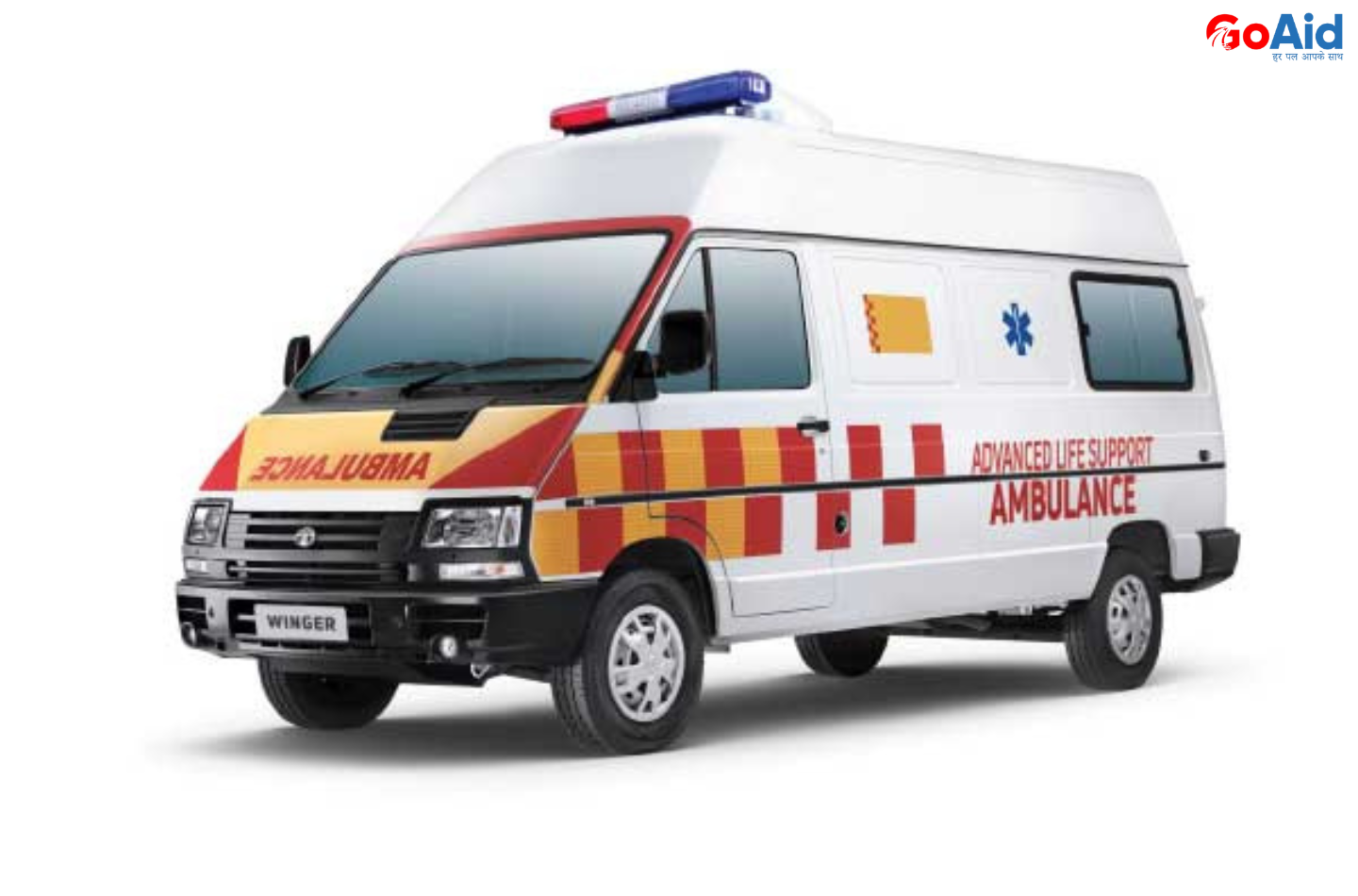

Ambulance Booking Mistakes: Know the Points You Need to Consider
In a medical emergency, incorrect decisions during ambulance booking can delay treatment and increase patient risk. Many ambulance booking mistakes happen due to panic, lack of awareness, or incomplete information. Understanding what to avoid is essential for safe and timely emergency transport.
This is why, in this blog, we have provided you all the details about:
- Common booking mistakes
- Choosingthe correct ambulance type
- Response time importance
- Cost and charge awareness
- Safe emergency ambulance booking
Do you want to know all this information in detail? Then read this blog to the end.
So, let’s start–
Why Booking the Right Ambulance Matters in an Emergency?
During emergencies, the ambulance you book determines the level of care the patient receives. It matters because:
- Correct medical equipment
- Trained paramedic support
- Faster stabilization
- Safe hospital transfer
- Reduced complication risk
A wrong booking can delay critical care. The right decision ensures timely treatment and better patient outcomes.
How do you choose the Wrong Type of Ambulance?
Many ambulance booking mistakes happen because people select services without understanding medical needs, urgency level, or patient condition properly.
Not Understanding BLS vs ALS
Many people do not understand the difference between BLS and ALS ambulances, which affects emergency treatment quality:
- BLS for stable, non-critical patients
- ALS for cardiac, trauma, critical cases
- Advanced monitoring and life-support equipment
Ignoring ICU or Ventilator Needs
Critically ill patients sometimes require ICU or ventilator support during transport, but families may overlook this serious requirement:
- ICU ambulance booking for unstable patients
- Ventilator support during breathing distress
- Continuous critical monitoring
Ignoring Response Time
Ambulance response time directly impacts survival in emergencies, yet many ignore distance and traffic factors while booking:
- Nearest available ambulance
- Real-time tracking support
- Faster hospital transfer
Focusing Only on Price
Choosing an ambulance only based on cost can compromise medical quality and trained support during emergencies:
- Comparing ambulance charges in India
- Avoiding unverified cheap services
- Balancing cost with safety
Not Checking Equipment and Medical Staff
People often forget to confirm medical equipment and trained staff availability before confirming the booking:
- Oxygen and cardiac monitor availability
- Trained paramedics onboard
- Emergency medication support
Sharing Incomplete or Wrong Location Details
Incorrect or unclear location details delay emergency ambulance booking and increase response time unnecessarily:
- Share the exact address with landmarks
- Provide a contact number
- Confirm the pickup point clearly
Delaying the Booking Decision
Waiting too long to decide can worsen the patient’s condition and reduce survival chances:
- Act immediately in emergencies
- Avoid consulting too many sources
- Trust a verified ambulance service in India
Cost & Charges — What People Often Overlook
Many people do not ask about additional costs, leading to confusion or stress later:
- Distance-based charges
- ICU equipment cost
- Waiting or night charges
How GoAid Helps Avoid These Mistakes
GoAid simplifies emergency ambulance booking decisions, ensuring safety and accuracy during critical situations:
- Quick ambulance type selection guidance
- Clear BLS vs ALS ambulance support
- ICU ambulance booking assistance
- Real-time ambulance tracking
- Verified and trained medical staff
- Transparent ambulance charges in India
- Fast ambulance response time
- 24/7 emergency hotline support
Ensuring safe, fast, and reliable patient transport always.
How to Book an Ambulance Correctly?
Follow proper steps to ensure safe emergency transport:
- Assess the Patient’s Condition
Identify whether the situation is stable, serious, or critical before choosing ambulance type.
- Choose the Right Ambulance Type
Select BLS, ALS, or ICU ambulance based on medical needs and urgency.
- Share Accurate Location Details
Provide exact address, nearby landmarks, and working contact number.
- Confirm Equipment and Medical Staff
Ensure oxygen, monitors, ventilator, and trained paramedics are available if required.
- Verify Charges and Estimated Arrival Time
Ask about ambulance charges and expected response time clearly before confirmation.
Know More: National Guidelines for Emergency Ambulance Services in India
Frequently Asked Questions (FAQs)
Q1: What is the most common ambulance booking mistake?
A: The most common mistake is choosing the wrong ambulance type without understanding the patient’s medical condition and urgency level properly.
Q2: How do I know which ambulance type I need?
A: Assess patient condition severity. For stable cases choose BLS; for critical emergencies involving heart, trauma, or breathing issues choose ALS.
Q3: Are cheaper ambulances safe?
A: Not always. Very low-cost services may lack proper equipment, trained staff, or reliability, which can compromise patient safety.
Q4: How fast should an ambulance arrive?
A: Ideally, within 10–20 minutes in urban areas, depending on traffic, distance, and availability of nearby ambulances.
Q5: What details should I provide while booking?
A: Provide patient condition, exact location, landmark, contact number, preferred hospital, and any specific medical equipment requirements.
Conclusion
In conclusion, we have provided you with details about common ambulance booking mistakes, correct ambulance selection, response time importance, and essential booking steps to ensure patient safety during emergencies. Understanding these factors helps avoid delays and critical risks.
Always make informed decisions during medical emergencies. For quick assistance and reliable services, Contact GoAid and ensure safe, timely ambulance support when it matters most.