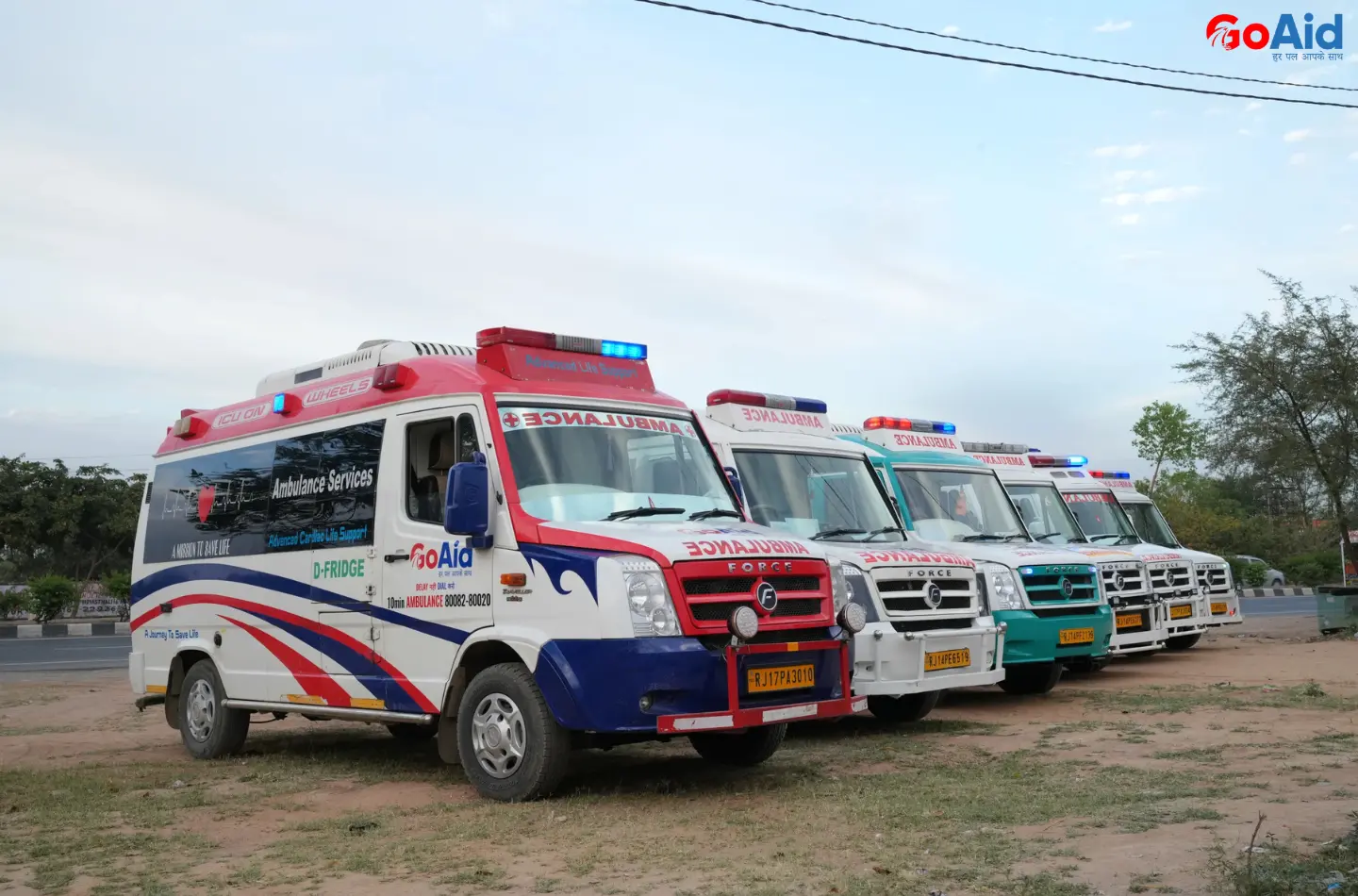

In a medical emergency, seconds are not just numbers — they are survival margins.
Whether it’s a heart attack, stroke, severe accident, or breathing failure, the speed at which medical help reaches a patient directly impacts survival and recovery. This is where ambulance booking services play a life-saving role.
Modern ambulance booking services eliminate traditional delays by combining technology, trained medical staff, GPS tracking, and hospital coordination. Instead of manually calling multiple numbers and waiting uncertainly, patients and families can now access fast ambulance service support within minutes.
This guide explains how ambulance booking services reduce response time, improve emergency coordination, and ensure timely medical intervention when every second truly matters.
What Are Ambulance Booking Services?
Ambulance booking services are structured platforms that allow individuals to request emergency medical transport instantly through:
- Online ambulance booking platforms
- Mobile applications
- 24/7 call centers
- GPS-enabled dispatch systems
Unlike traditional ambulance systems that depend on manual availability checks, modern booking platforms automatically identify the nearest available emergency ambulance service and dispatch it immediately.
Key features include:
- Real-time ambulance tracking
- Verified medical staff onboard
- Multiple ambulance categories
- Fast hospital coordination
- 24/7 ambulance service access
These systems are designed to reduce friction, confusion, and life-threatening delays.
Why Time Is the Most Critical Factor in Medical Emergencies
Medical science consistently proves one truth: response time determines outcome.
According to the World Health Organization emergency care guidelines, early access to structured emergency response significantly reduces preventable trauma and cardiac deaths worldwide.
Let’s understand why speed matters:
1. The Golden Hour
The first 60 minutes after trauma are crucial. Prompt medical intervention during this period dramatically increases survival rates.
2. Cardiac Arrest Survival Window
For cardiac arrest patients, survival chances decrease by approximately 7–10% with every minute of delay without medical support.
3. Stroke Brain Damage Timeline
Brain cells begin dying within minutes during a stroke. Faster hospital arrival prevents permanent disability.
4. Severe Bleeding
Uncontrolled bleeding can become fatal within minutes without immediate intervention.
This is exactly why ambulance response time is not a convenience metric — it is a life-saving benchmark.
7 Ways Ambulance Booking Services Save Critical Time
1. Instant Digital Request System
With structured Online Ambulance Booking, patients can request immediate medical transport without making multiple calls or facing uncertainty. A request is placed instantly through:
- Website booking
- App-based booking
- Direct helpline
This reduces panic-driven delays and ensures structured dispatch.
2. GPS-Based Nearest Ambulance Dispatch
Modern ambulance booking services use GPS technology to:
- Locate the nearest available ambulance
- Avoid traffic-heavy routes
- Select the fastest path to the patient
This significantly improves fast ambulance response time.
3. Real-Time Ambulance Tracking
Families can track the ambulance in real time. This:
- Reduces anxiety
- Improves coordination
- Allows hospital preparation in advance
Transparency increases efficiency.
4. Immediate Medical Assistance On Arrival
Unlike basic transport vans, a medical emergency ambulance includes trained paramedics who:
- Stabilize the patient
- Administer oxygen
- Provide CPR if required
- Monitor vitals during transfer
Early medical care begins before hospital arrival.
5. Pre-Arrival Hospital Coordination
Many ambulance booking services inform the receiving hospital in advance, allowing:
- Emergency room preparation
- Specialist alert activation
- Faster admission process
This reduces treatment delay after arrival.
6. Multiple Ambulance Type Availability
Not all emergencies require the same support. Booking platforms offer specialized options:
- BLS Ambulance
- ALS Ambulance
- ICU Ventilator Ambulance
- Event Ambulance
- Mortuary & Freezer Box Ambulance
Choosing the right vehicle ensures appropriate care without wasting critical time.
7. 24/7 Availability Without Operational Gaps
Emergencies do not follow office hours. Reliable ambulance booking services operate 24/7, ensuring access at night, weekends, and holidays.
Consistency saves lives.
Types of Ambulances Available Through Booking Platforms
1. Basic Life Support (BLS) Ambulance
Designed for stable but monitored patients. Includes oxygen support, first aid, and trained staff.
2. Advanced Life Support (ALS) Ambulance
Equipped with cardiac monitors, emergency medications, and advanced airway management.
3. ICU Ventilator Ambulance
A mobile intensive care unit for critically ill patients requiring ventilator and continuous monitoring.
4. Normal Patient Transfer Ambulance
For non-critical medical transport needs.
5. Event Ambulance
Provides on-site emergency support during gatherings and public events.
6. Dead Body Mortuary Van
Ensures dignified transportation of deceased individuals.
7. Dead Body Freezer Box Ambulance
Maintains temperature control for long-distance or delayed final rites.
Each category ensures an optimized response depending on the severity of the medical condition.
Traditional Ambulance Calling vs Online Ambulance Booking
| Factor | Traditional Calling | Online Ambulance Booking |
| Availability Check | Manual | Automated |
| Response Time | Variable | Faster GPS dispatch |
| Tracking | Not available | Real-time tracking |
| Hospital Coordination | Limited | Pre-alert system |
| Transparency | Low | High |
Digital transformation improves emergency medical efficiency.
Common Emergency Situations Where Quick Booking Saves Lives
Ambulance booking services are crucial during:
- Heart attack emergencies
- Road traffic accidents
- Stroke and paralysis cases
- Severe bleeding injuries
- Respiratory distress
- Pregnancy complications
- Unconscious patient situations
Immediate access to emergency ambulance service ensures early stabilization and hospital treatment.
How GoAid Ambulance Booking Services Ensure Faster Response
GoAid integrates technology, trained medical teams, and multi-city coordination to improve ambulance response time.
Key strengths include:
- 10-minute average response time (in operational zones)
- GPS-enabled dispatch system
- 24/7 ambulance service availability
- Trained paramedics onboard
- Multiple ambulance categories
- Seamless online ambulance booking and call booking
GoAid focuses on reducing delay between emergency occurrence and medical intervention.
For more details, explore GoAid Ambulance Services and understand how structured emergency transport saves critical time.
Frequently Asked Questions
Q1: How do ambulance booking services save time during emergencies?
They use GPS dispatch, instant booking platforms, trained staff, and hospital coordination to minimize delay.
Q2: Can I book an ambulance online during emergencies?
Yes. Online ambulance booking allows real-time request placement and tracking for faster response.
Q3: Are ambulance booking services available 24/7?
Most professional services operate 24/7 to ensure continuous emergency medical support.
Conclusion
Ambulance booking services have transformed emergency medical response in India. By integrating digital systems, GPS tracking, trained paramedics, and hospital coordination, they eliminate unnecessary delays during life-threatening situations.
In emergencies, every minute lost increases risk. Choosing a structured, technology-enabled ambulance booking service ensures faster dispatch, better stabilization, and timely hospital care.
When seconds matter, speed is survival.