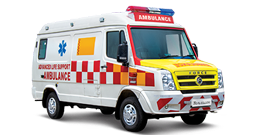
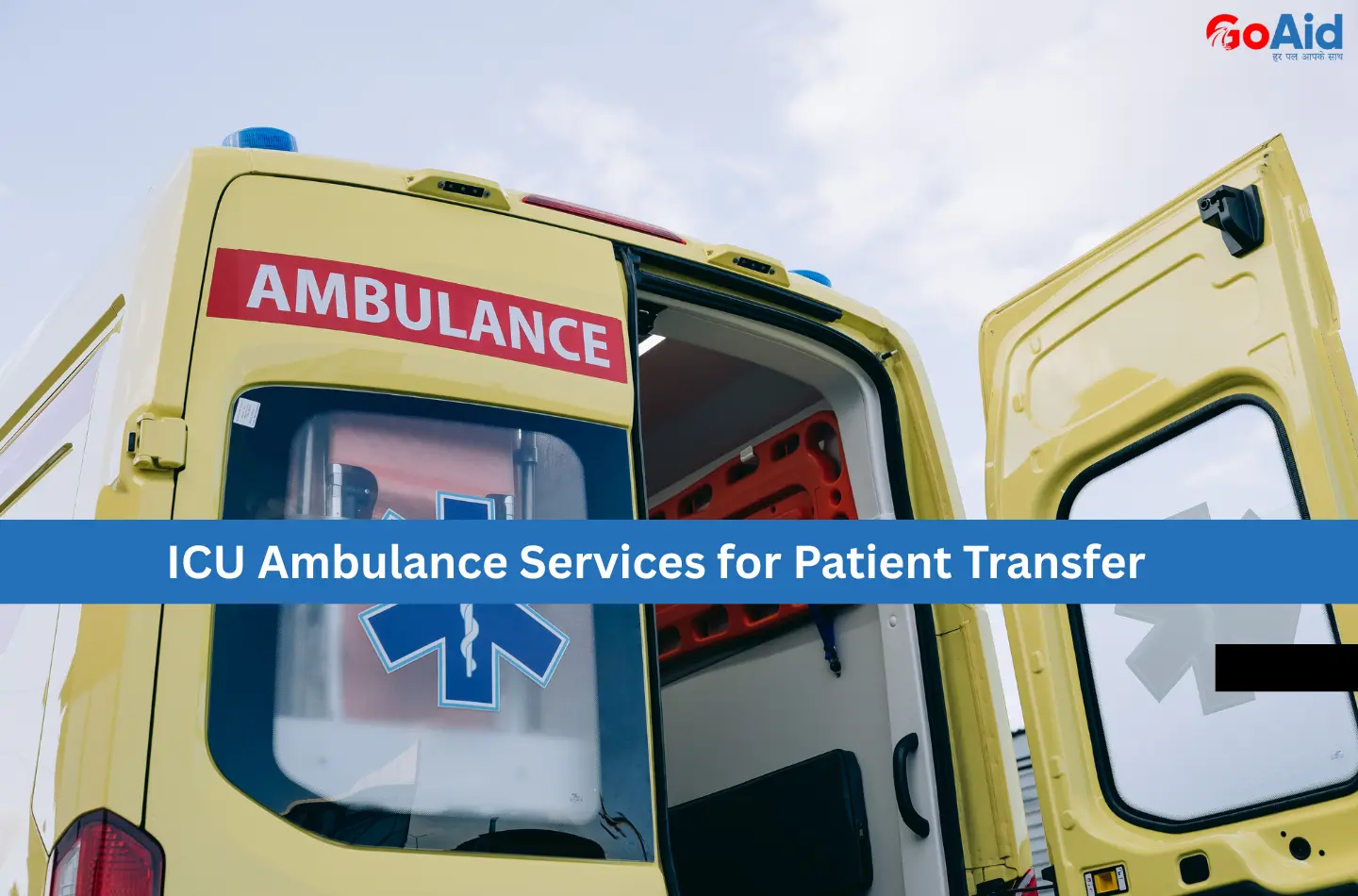

ICU ambulance services are designed for patients who need continuous medical care during transport. This is not like standard vehicles because an ICU ambulance functions as a mobile intensive care unit with advanced equipment and trained staff. It ensures safe patient transfer during critical conditions and long-distance movement between hospitals while maintaining uninterrupted medical monitoring and life support.
What Is an ICU Ambulance?
An ICU ambulance is a specially equipped emergency ambulance service built to transport critically ill patients who require advanced medical care en route to a hospital. It includes life-saving equipment such as ventilators, cardiac monitors, infusion pumps, oxygen support, and emergency medications.
ICU ambulances staffed by trained paramedics or critical care professionals support continuous monitoring and stabilization. These ambulances are essential for patient transfer after major surgeries, severe trauma, cardiac emergencies, or respiratory failure. ICU ambulance services reduce risk during transport and improve overall medical emergency response outcomes by delivering hospital-level care on the move.
Medical Conditions Requiring ICU Ambulance
There are certain medical conditions that demand advanced monitoring and life-support during transit, making ICU ambulance services essential for safe and uninterrupted patient transfer.
- Cardiac Arrest or Severe Heart Conditions: Patients experiencing cardiac arrest, heart failure, or unstable heart rhythms require ICU ambulance support with continuous cardiac monitoring and immediate intervention capability.
- Severe Stroke Cases: Stroke patients often need oxygen, monitoring, and rapid transfer to specialized hospitals, making ICU ambulance services critical for preventing complications.
- Respiratory Failure or Ventilator Dependency: Patients who cannot breathe independently require ventilator-equipped ICU ambulances to maintain stable oxygen levels during transport.
- Major Trauma or Accident Injuries: Severe injuries from road accidents or falls demand intensive monitoring, pain management, and rapid medical emergency response through ICU ambulances.
- Post-Surgical Critical Transfers: Patients recovering from major surgeries may need ICU ambulance transfer to avoid complications during movement between healthcare facilities.
- Severe Infections or Sepsis: Critically ill patients with infections require constant monitoring, medication support, and controlled transport conditions.
- Neurological Emergencies: Head injuries, brain hemorrhage, or unconscious patients require ICU ambulance care to maintain stability during patient transfer.
When Should You Choose ICU Ambulance Services for Patient Transfer?
ICU ambulance services should be chosen when a patient’s condition is unstable and requires continuous monitoring, life-support equipment, and expert medical supervision during transfer to ensure safe and uninterrupted medical emergency response.
- Critical Cardiac Conditions: Patients with heart failure, unstable heart rhythms, or post-cardiac arrest require ICU ambulance services for constant cardiac monitoring and immediate intervention during transfer.
- Severe Respiratory Distress: Patients struggling to breathe or dependent on oxygen support need ICU ambulance services equipped to manage respiratory emergencies safely.
- Ventilator-Dependent Patients: Patients already on ventilator support must be transferred using ICU ambulances to maintain uninterrupted breathing assistance.
- Major Trauma or Accident Cases: Severe injuries from accidents demand ICU ambulance services for pain management, monitoring, and rapid medical emergency response.
- Post-Surgery Critical Transfers: Patients recovering from complex surgeries often need ICU ambulance monitoring to prevent complications during inter-hospital transfers.
- Neurological Emergencies: Conditions like brain injury, unconsciousness, or severe stroke require ICU ambulance services for stable patient transfer.
- High-Risk Long-Distance Transfers: Intercity patient transfers involving critical conditions require ICU ambulance services to manage emergencies during extended travel.
Role of Ventilators in Patient Transfer
Ventilators play a crucial role in ICU ambulance services by supporting patients who cannot breathe independently during transfer. In medical emergency response situations, ventilators maintain consistent oxygen delivery and controlled breathing patterns, which prevent sudden respiratory failure. In emergency ambulance booking for critical patients, ventilator-equipped ambulances ensure continuity of care between hospitals.
These devices help stabilize oxygen levels, reduce strain on vital organs, and allow paramedics to respond quickly to breathing complications. Ventilators are especially vital during long-distance or intercity patient transfers, where uninterrupted respiratory support is essential. Their presence transforms an ambulance into a mobile intensive care unit, significantly improving safety and survival outcomes.
Equipment Available in ICU Ambulances
ICU ambulances are equipped with advanced medical devices that allow continuous monitoring, life support, and immediate intervention during critical patient transfer.
- Ventilators and Oxygen Systems: ICU ambulances include advanced ventilators and oxygen delivery systems to support patients with respiratory failure during emergency ambulance service transfers.
- Cardiac Monitors and Defibrillators: Continuous heart monitoring and defibrillation equipment help manage cardiac emergencies during patient transfer.
- Infusion Pumps and Syringe Drivers: These devices ensure accurate medication and fluid delivery throughout the medical emergency response journey.
- Suction Units: Suction equipment helps clear airways and manage secretions, reducing the risk of respiratory complications during transfer.
- Emergency Medications Kit: ICU ambulances carry critical drugs required for pain control, cardiac support, and emergency stabilization.
- Backup Power Systems: Uninterrupted power supply ensures all life-support equipment functions smoothly throughout the journey.
- Advanced Patient Monitoring Tools: Multi-parameter monitors track vital signs such as blood pressure, oxygen saturation, and heart rate continuously.
Doctors Recommend ICU Ambulance
Doctors recommend ICU ambulance services when a patient’s condition is unstable and requires continuous monitoring, advanced life-support equipment, and skilled medical supervision during patient transfer.
- Unstable Vital Signs: Doctors advise ICU ambulance services when patients show fluctuating blood pressure, heart rate, or oxygen levels that require constant monitoring during transfer.
- Ventilator or Advanced Oxygen Support: Patients dependent on ventilators or high-flow oxygen are transferred using ICU ambulances to ensure uninterrupted respiratory support.
- Critical Cardiac Conditions: Severe heart conditions, post-cardiac arrest, or high-risk cardiac patients need ICU ambulance services for safe medical emergency response.
- Severe Neurological Conditions: Doctors recommend ICU ambulances for stroke, brain injuries, or unconscious patients requiring continuous neurological observation.
- Post-Operative Critical Care: Patients recovering from major or high-risk surgeries often require ICU ambulance monitoring to prevent complications during movement.
- Major Trauma or Accident Injuries: Serious injuries involving multiple organs demand ICU ambulance services for advanced monitoring and emergency interventions.
- Long-Distance Critical Transfers: Doctors prefer ICU ambulance services for intercity transfers where extended travel increases medical risk.
How GoAid Ensures ICU-Level Care on Wheels?
GoAid Ambulance delivers ICU-level care during transport by combining advanced equipment, trained medical teams, and technology-driven emergency ambulance service systems for safe and reliable patient transfer.
- Fully Equipped ICU Ambulances: GoAid ICU ambulances are fitted with ventilators, cardiac monitors, infusion pumps, and emergency medications to deliver hospital-level care on the move.
- Highly Trained Medical Staff: GoAid deploys experienced paramedics and critical care professionals trained to handle complex medical emergencies during transport.
- Continuous Patient Monitoring: Real-time monitoring of vital signs ensures immediate response to any deterioration during patient transfer.
- Strict Safety and Hygiene Protocols: GoAid follows standardized safety procedures to minimize infection risk and ensure patient stability throughout the journey.
- Seamless Hospital Coordination: Advanced communication with hospitals allows smooth handover and reduces treatment delays upon arrival.
- Technology-Driven Dispatch System: GoAid uses smart systems to ensure fast ambulance service and accurate routing during emergencies.
- 24 Hours Ambulance Service Availability: Round-the-clock readiness ensures ICU ambulance services are available whenever critical care transport is required.
How to Book an ICU Ambulance with GoAid?
GoAid makes ICU ambulance booking simple and fast through multiple access channels, ensuring immediate medical emergency response during critical patient transfer situations.
- Book ICU Ambulance via GoAid Mobile App: The GoAid app enables quick ICU ambulance booking, automatically assigning the nearest equipped ambulance for fast medical emergency response.
- Book Through Official Website: Users can book ICU ambulance services directly through the official website of GoAid. This ensures verified and reliable emergency ambulance service access.
- Call GoAid 24/7 Emergency Helpline: Dial 8008280020 to speak with trained support staff for immediate ICU ambulance booking assistance.
- Share Patient Medical Details Clearly: Providing accurate condition details helps GoAid assign the right ICU ambulance with the necessary equipment.
- Confirm Transfer Distance and Hospital Details: Clear destination information ensures smooth routing and proper hospital coordination.
- Track Ambulance in Real Time: Live tracking allows families to monitor ambulance movement and stay informed during patient transfer.
- Receive Support Until Hospital Handover: GoAid teams remain engaged until safe patient handover, ensuring continuity of care.
Safety Protocols During ICU Transfers
Strict safety protocols are essential during ICU ambulance services to ensure stable patient transfer, continuous medical emergency response, and minimized risks while transporting critically ill patients.
- Pre-Transfer Patient Assessment: Medical teams evaluate vital signs, oxygen levels, and stability before movement to ensure the patient is fit for ICU ambulance transfer.
- Continuous Vital Monitoring: ICU ambulance services maintain real-time monitoring of heart rate, blood pressure, and oxygen saturation throughout the journey.
- Secure Medical Equipment Setup: All ventilators, monitors, and infusion devices are firmly secured to prevent disruption during sudden vehicle movement.
- Qualified Medical Supervision: Trained paramedics or critical care staff remain present to manage emergencies and provide immediate medical emergency response.
- Infection Control Measures: Strict hygiene and sanitization protocols reduce infection risks during ICU ambulance patient transfer.
- Emergency Medication Readiness: Essential emergency drugs are kept easily accessible to handle sudden complications during transit.
- Safe Patient Handling Procedures: Proper immobilization and handling techniques prevent further injury and ensure patient comfort during transfer.
Book Ambulance: GoAid Ambulance Service
Conclusion to ICU Ambulance Services for Patient Transfer
ICU ambulance services play a crucial role in safely transporting critically ill patients by providing advanced life support and continuous monitoring. Equipped with modern technology and skilled medical teams, these services ensure uninterrupted medical emergency response during patient transfer. Choosing a reliable ICU ambulance service like GoAid Ambulance helps reduce risks, improve patient stability, and ensure timely arrival at the right healthcare facility for advanced treatment.
FAQs related to ICU Ambulance Services
Question-1: What is an ICU ambulance service?
Answer: An ICU ambulance service is a specialized emergency ambulance service equipped with advanced life-support systems and trained medical staff for critical patient transfer.
Question 2: When is ICU ambulance booking necessary?
Answer: ICU ambulance booking is required when patients need continuous monitoring, ventilator support, or advanced medical emergency response during transport.
Question-3: What equipment is available in ICU ambulances?
Answer: ICU ambulances carry ventilators, cardiac monitors, infusion pumps, oxygen systems, emergency medications, and backup power systems.
Question 4: Are ICU ambulance services available 24 hours a day?
Answer: Yes, most professional providers offer 24 hours ambulance service to handle critical patient transfers anytime.
Question-5: Who staffs an ICU ambulance?
Answer: ICU ambulances are staffed by trained paramedics, critical care nurses, or medical professionals experienced in emergency patient management.
Question-6: Can ICU ambulances handle intercity transfers?
Answer: Yes, ICU ambulance services are suitable for long-distance and intercity patient transfers requiring continuous medical supervision.
Question-7: How does GoAid ensure safety during ICU transfers?
Answer: GoAid follows strict safety protocols, continuous monitoring, trained staff deployment, and advanced hospital coordination during ICU ambulance services.
Question-8: Is ICU ambulance booking safe for elderly patients?
Answer: Yes, ICU ambulance services provide stable monitoring and life support, making them safe for elderly and high-risk patients.
Question-9: How fast can an ICU ambulance be arranged?
Answer: With online systems and dedicated teams, ICU ambulance booking can be arranged quickly depending on location and availability.
Question-10: Why choose GoAid Ambulance for ICU transfers?
Answer: GoAid Ambulance offers advanced equipment, experienced medical teams, transparent pricing, and reliable ICU ambulance services across multiple cities.