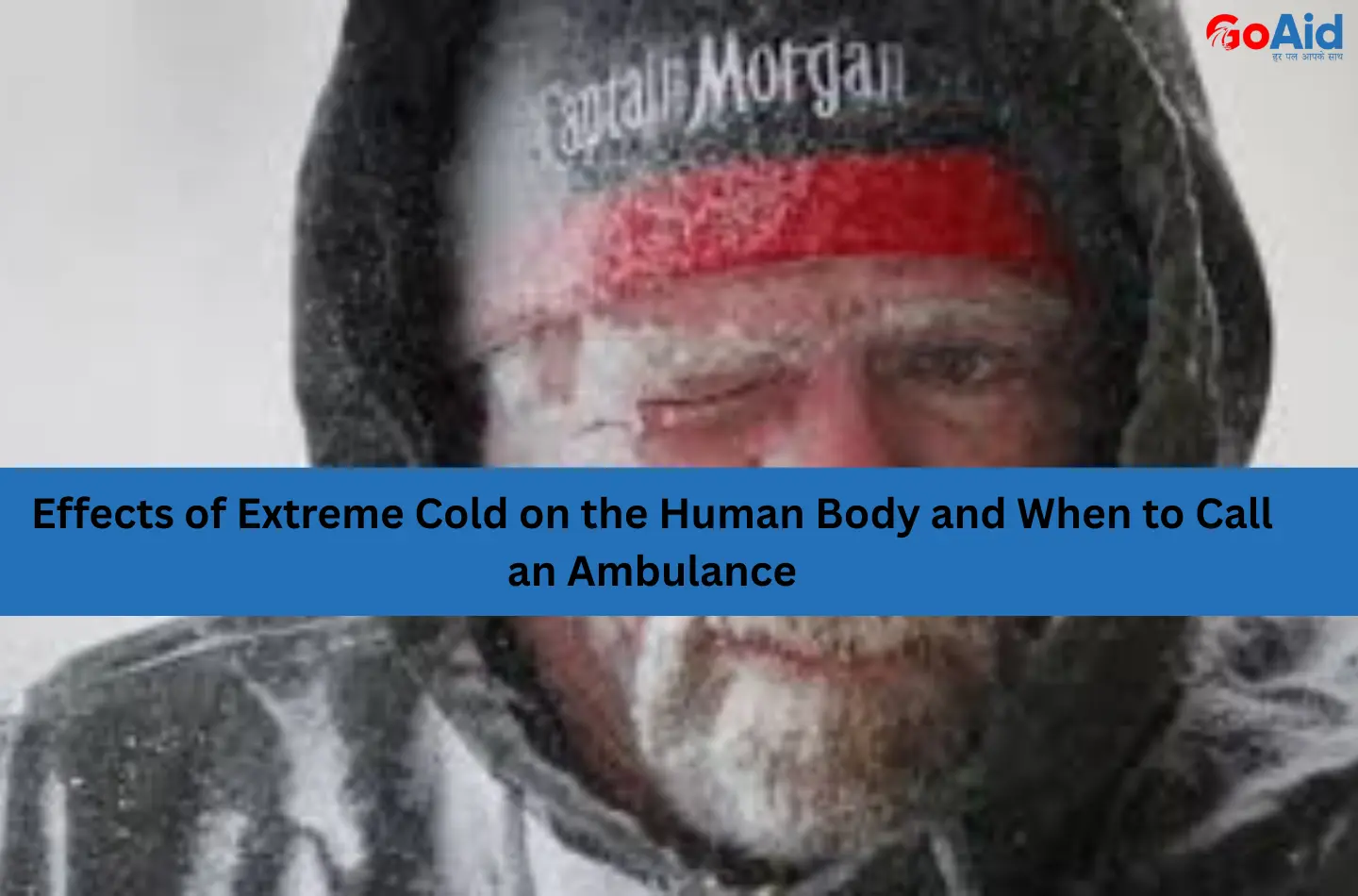

In extreme cold weather, low temperatures slow vital functions and can severely affect the human body. The right understanding of the extreme cold effects on the human body helps you to identify early danger signs. When symptoms worsen, it becomes a cold-related medical emergency. This is why it is crucial to know when to call an ambulance in cold weather. This ensures quick help through the GoAid Ambulance Service and its 24/7 ambulance service.
How Extreme Cold Impacts the Human Body?
Extreme cold forces the body to work harder to stay warm, affecting the heart, lungs, skin, and brain. Prolonged exposure triggers extreme cold effects on the human body, including reduced blood flow, breathing difficulty, and rapid heat loss. These cold-weather health risks can lead to numbness, confusion, muscle stiffness, or sudden cardiac stress.
In winter, when the body can’t maintain temperature, it enters a dangerous state that may require an emergency ambulance for cold exposure. Recognising these signs early helps prevent cold-related medical emergencies. If symptoms worsen suddenly, always consider when to call an ambulance in cold weather for fast medical assistance.
Common Cold-Related Conditions You Should Recognise Early
Extreme cold can quickly trigger dangerous health issues if early symptoms are ignored. If you recognise these cold weather health risks, then it helps you to prevent a cold-related medical emergency and ensures timely action during extremely cold weather warning periods.
- Hypothermia: A sudden drop in body temperature causing confusion, shivering, and slow breathing. Immediate care is essential to prevent life-threatening complications in extreme cold.
- Frostbite: Freezing of skin and tissues, mainly on fingers, toes, ears, and nose. Delay in care can lead to permanent damage or severe infection.
- Chilblains: Painful red or purple skin patches caused by repeated cold exposure. They worsen with poor circulation and require early treatment.
- Trench Foot: Cold and damp exposure affects the feet, causing swelling, numbness, and severe tissue damage if untreated.
- Cold-Induced Asthma: Extreme cold triggers breathing issues and chest tightness, especially in asthma patients, requiring a quick response.
- Heart Strain: Cold weather forces the heart to pump harder, increasing the risk of cardiac stress, especially during extreme temperatures.
- Cold Dehydration: Extreme cold reduces thirst, causing dehydration, dizziness, and weakness, which can worsen underlying conditions.
Who Is at Higher Risk During Extreme Cold Weather?
Extreme cold effects on the human body increase rapidly among vulnerable groups. Older adults face higher cold-weather health risks due to slower circulation, while infants lose body heat very quickly. People with heart disease or breathing disorders are more likely to develop a cold-related medical emergency. Outdoor workers, homeless individuals, and those exposed to extremely cold weather warning conditions are also at greater risk.
Individuals with weakened immunity or poor nutrition struggle to maintain body temperature. If you recognise these dangers, then it helps your families to understand when to call an ambulance in cold weather and seek the GoAid Ambulance Service for fast support.
When Does a Cold-Related Situation Become a Medical Emergency?
A cold-related medical emergency occurs when the body can no longer maintain a safe temperature or normal functioning. Severe shivering, confusion, numbness, chest pain, or difficulty breathing indicate extreme cold effects on the human body and require urgent care. If someone collapses, becomes unresponsive, or shows bluish skin, the situation demands immediate help.
These cold-weather health risks escalate quickly, especially during extremely cold-weather warning periods. In such cases, it becomes crucial to know when to call an ambulance in cold weather. GoAid Ambulance Service provides fast ambulance service and 24/7 ambulance service to ensure immediate professional assistance.
Signs You Must Call an Ambulance Immediately
This is vital to recognising warning signs during extreme cold because this can prevent you from severe health complications. You should understand that knowing when to call an ambulance in cold weather can save lives and ensure timely professional care.
- Severe Shivering: Continuous uncontrollable shivering indicates the body is struggling to maintain temperature and requires urgent cold-related medical emergency attention.
- Confusion or Disorientation: Sudden confusion or difficulty speaking may signal hypothermia, demanding immediate ambulance support.
- Bluish Skin or Lips: Skin turning blue or gray is a sign of oxygen deprivation and extreme cold effects on the human body.
- Slurred Speech: Difficulty speaking clearly can indicate severe hypothermia or cold-induced stroke, requiring fast medical intervention.
- Weak Pulse or Slow Heartbeat: Heart rate abnormalities due to cold stress are life-threatening, making an emergency ambulance for cold exposure necessary.
- Loss of Consciousness: Fainting or unresponsiveness is a critical cold-weather health risk that must be addressed immediately.
- Severe Pain or Numbness in Extremities: Rapidly worsening frostbite or cold injuries need urgent attention from trained medical teams.
How does GoAid Ambulance respond to Cold-Weather Emergencies?
GoAid Ambulance Service is prepared for cold weather health risks and extreme cold effects on the human body. Their 24/7 ambulance service ensures rapid response during emergencies caused by extreme cold exposure.
- Fast Ambulance Service: GoAid provides rapid ambulance dispatch to reach patients within minutes, crucial for cold-related medical emergencies.
- Experienced Cold-Weather Paramedics: Trained professionals handle hypothermia, frostbite, and other cold weather emergencies with expert care.
- Winter-Equipped Ambulances: Vehicles carry thermal blankets, warm IV fluids, and specialised equipment for extreme cold effects on the human body.
- 24/7 Availability: GoAid ensures constant readiness, providing night-time and daytime support during extremely cold weather warning periods.
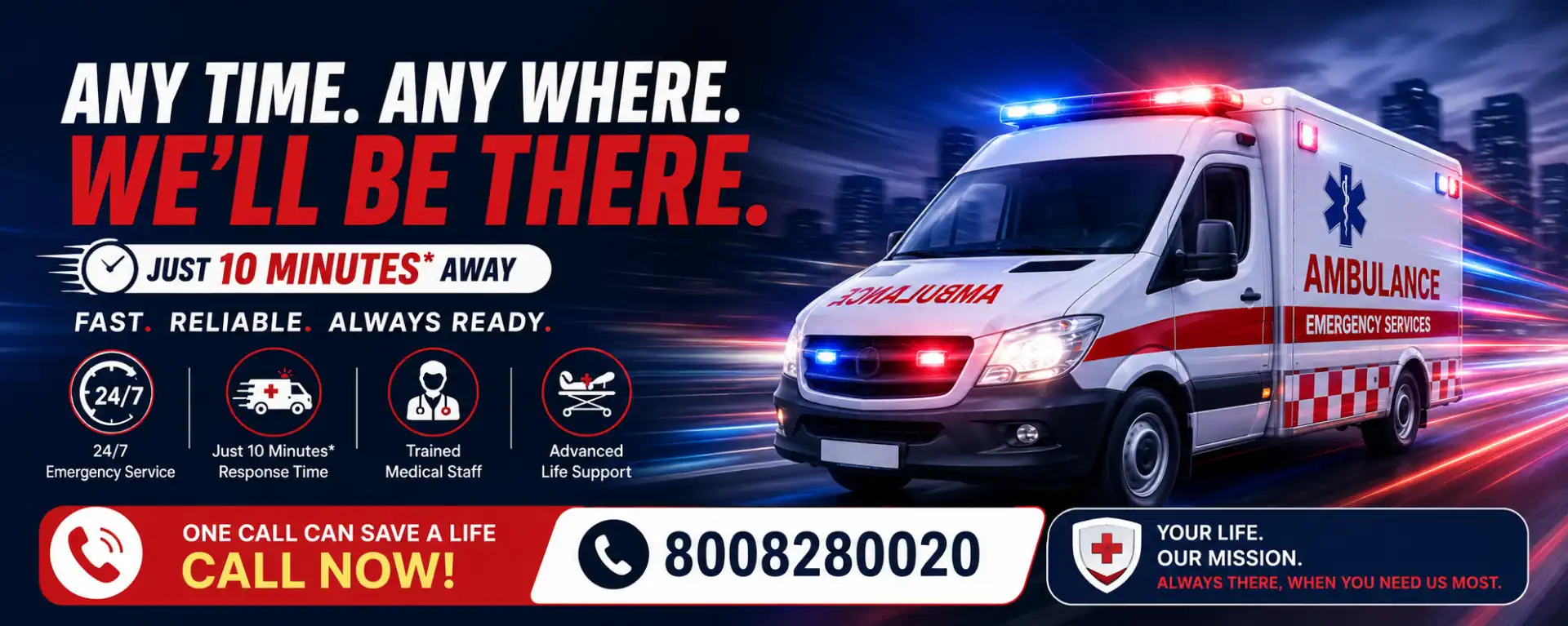
- Multiple Booking Options: Patients can book via the GoAid App, website, or helpline 8008280020 for immediate cold-related medical emergency assistance.
- GPS-Enabled Tracking: Ambulances are guided along the fastest and safest routes to reach patients quickly during severe winter conditions.
- National Coverage: GoAid offers wide coverage across cities, ensuring a timely response for cold exposure emergencies anywhere within its service regions.
Preventive Tips to Stay Safe During Extreme Winter Temperatures
It is important to stay safe during extreme cold, because this can reduce cold-related medical emergencies. Simple precautions can help prevent hypothermia, frostbite, and other serious conditions caused by extremely cold weather.
- Dress in Layers: Wear insulated clothing, gloves, and hats to maintain body warmth in freezing conditions.
- Limit Outdoor Exposure: Stay indoors during extremely cold weather warning periods to avoid health risks.
- Keep Emergency Contacts Ready: Have GoAid Ambulance helpline 8008280020 handy for immediate assistance.
- Stay Hydrated: Drink warm fluids to prevent dehydration, which can worsen cold-related medical emergencies.
- Avoid Alcohol and Smoking: These habits increase heat loss and weaken your body’s response to extreme cold effects.
- Use Safe Heating Methods: Ensure proper ventilation with heaters to prevent suffocation or cold-related accidents indoors.
- Monitor Vulnerable Individuals: Check on the elderly, infants, and those with chronic illnesses for early signs of cold-related medical issues.
Conclusion to the Effects of Extreme Cold on the Human Body and When to Call an Ambulance
Extreme cold effects on the human body can quickly escalate into life-threatening situations. This is why it is crucial to know when to call an ambulance in cold weather is crucial. GoAid Ambulance Service provides 24/7 ambulance service & rapid response, and also expert care for cold-related medical emergencies, which makes it the best ambulance service for winter health risks.
FAQs Related to the Effects of Extreme Cold on the Human Body and When to Call an Ambulance
Question-1: What are the main health risks of extreme cold on the human body?
Answer: Extreme cold can cause hypothermia, frostbite, heart strain, and respiratory issues, which increase the likelihood of a cold-related medical emergency.
Question 2: When should I call an ambulance in cold weather?
Answer: Call an ambulance immediately if you notice severe shivering, confusion, bluish skin, chest pain, numbness, or any other signs of a cold-related medical emergency.
Question-3: How does GoAid Ambulance Service help during extreme cold emergencies?
Answer: GoAid provides fast ambulance service with trained paramedics, winter-equipped vehicles, GPS-enabled routing, and 24/7 ambulance service for cold weather health risks.
Question 4: Is GoAid available during nighttime cold weather emergencies?
Answer: Yes, GoAid offers round-the-clock coverage with night-time emergency ambulance support, ensuring timely intervention for extreme cold effects on the human body.
Question 5: What equipment do GoAid ambulances have for cold-related emergencies?
Answer: GoAid ambulances carry thermal blankets, warm IV fluids, ventilators, cardiac monitors, and other advanced tools to manage hypothermia, frostbite, and cold exposure effectively.
Question 6: Are there preventive measures to avoid cold-related medical emergencies?
Answer: Yes, dressing in layers, limiting outdoor exposure, staying hydrated, using safe heating, and monitoring vulnerable individuals can help prevent extreme cold effects on the human body.